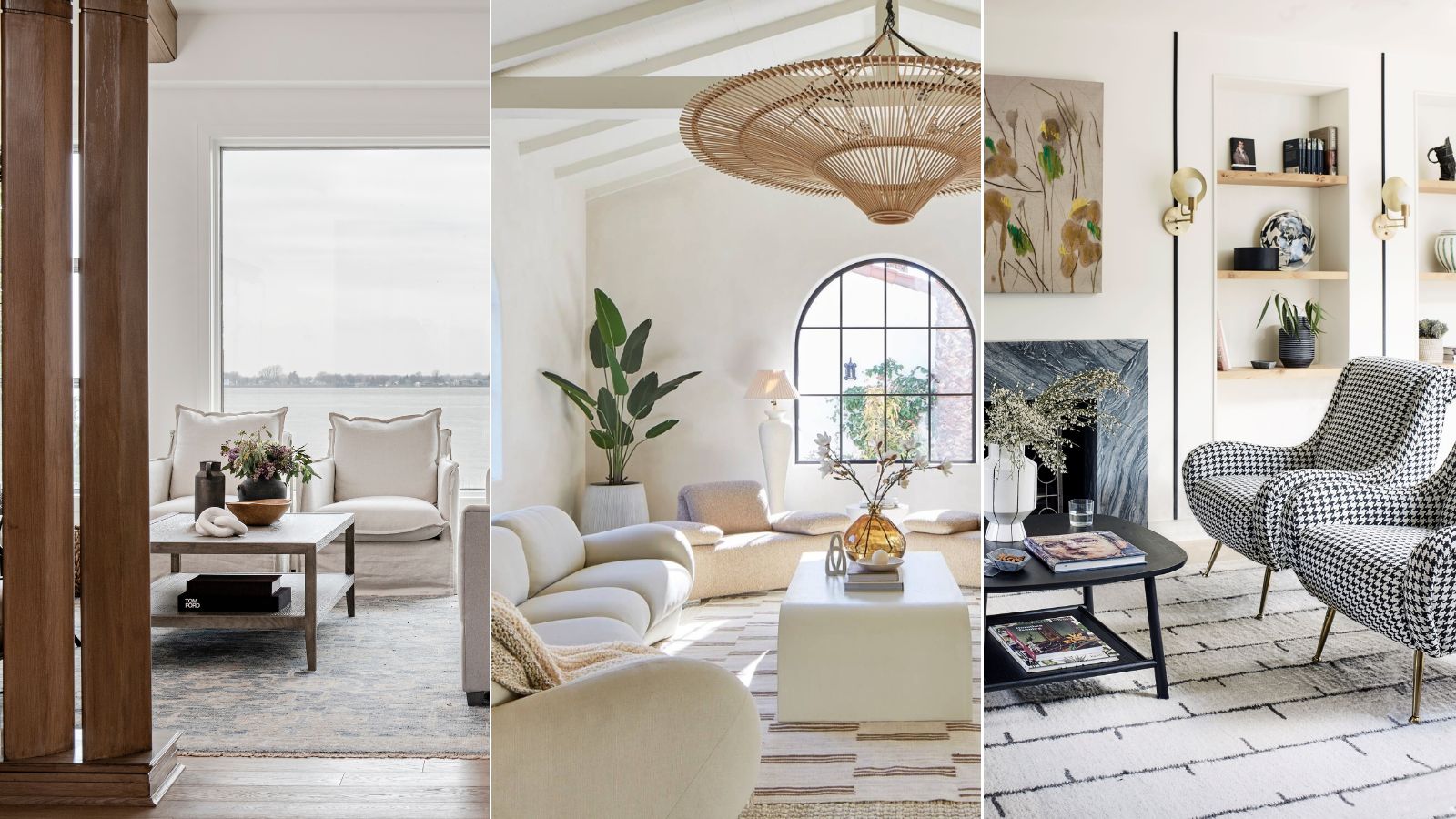
Earthy Color Trends Taking Over Homes earthy pigments are undergoing a renaissance, reclaiming their roots in human history and reappearing in avant-garde interiors. From the dusty patinas of ancient pottery to the vibrant clays of desert landscapes, today’s designers are championing earthy tones for homes that ground, nurture, and inspire. This comprehensive guide explores how these natural hues can be integrated into modern living spaces, offering both visual warmth and an intrinsic sense of connection to the world beneath our feet.

1. Clay Red and Terracotta Foundations
Clay red, a hue of sun-baked adobe, is now a staple in accent walls and earthenware decor. Its spectrum ranges from rust-speckled sienna to deep brick red.
Applications:
- Living room feature walls
- Handcrafted ceramic vases and planters
- Terracotta tile in entryways and kitchens
Styling Tip: Balance with creamy whites and olive greens to soften intensity.
2. Sienna and Burnt Umber Depths
Burnt umber and sienna recall charred wood and sun-drenched soils. These deeper, muted browns introduce depth without heaviness, perfect for anchoring open-plan spaces.
Applications:
- Floating shelves and cabinetry
- Textiles like boucle throws and wool rugs
- Framed artwork with umber-infused frames
Styling Tip: Pair with light oak floors for a Scandinavian-inspired retreat.
3. Ochre and Marigold Warmth
Ochre’s golden warmth and marigold’s spicy zest evoke sunlit fields and autumnal harvests. These hues bring a luminescent glow to interiors.
Applications:
- Accent pillows and textiles
- Painted stair risers or wainscoting
- Marigold-toned glass pendant lights
Styling Tip: Contrast with slate grays or muted navy for a modern edge.
4. Moss Green and Olive Undertones
Moss and olive are the guardians of forest floors, whispering of shaded groves and lichen-covered stones. Their subdued vibrancy fosters calm and encourages biophilic design.
Applications:
- Cabinetry in kitchens and bathrooms
- Upholstery in reading nooks or dens
- Indoor plant foliage to echo wall tones
Styling Tip: Reinforce with rattan furniture and jute rugs for tactile coherence.
5. Sandstone and Warm Beige Foundations
Soft sandy beiges and sandstone hues replicate windswept dunes and arid canyons. They serve as neutral backdrops that add softness and texture.
Applications:
- Wall paint across living and dining rooms
- Window treatments and roman shades
- Large area rugs in looped pile
Styling Tip: Layer with dark leather accents and metallic bronzes for contrast.
6. Terrarium Terrains: Moss Clay and Slate
Terrarium-inspired palettes combine mossy greens with clay browns and slate grays. This triadic scheme mimics micro-ecosystems and sculptural landscapes.
Applications:
- Custom wallpaper murals
- Geometric tile patterns in bathrooms
- Mixed-material shelving units
Styling Tip: Introduce live moss walls or succulents for authentic biophilia.
7. Charcoal and Volcanic Ash Accents
Charcoal hues, reminiscent of volcanic rock, add drama and modernity. When paired with earthy palettes, they uplift without overshadowing.
Applications:
- Matte black light fixtures and hardware
- Charcoal-painted ceilings or beams
- Accent furniture with ash-toned upholstery
Styling Tip: Use charcoal sparingly to prevent visual heaviness; think punctuation, not foundation.
8. Sandalwood and Driftwood Grains
Inspired by weathered wood, sandalwood and driftwood tones carry tactile warmth. Grain patterns and soft browns create a visual dialogue between material and hue.
Applications:
- Exposed ceiling beams and mantels
- Flooring choices and hardwood finishes
- Decor accents like carved bowls and frames
Styling Tip: Highlight natural imperfections—knots, grooves—for artisanal charm.
9. Rust and Iron Oxide Patinas
Rust hues and iron oxide finishes conjure images of industrial relics and oxidized metal surfaces. These robust colors add texture and rugged elegance.
Applications:
- Metal furnishings and table bases
- Exterior-inspired accent walls
- Outdoor-indoor transitional spaces
Styling Tip: Offset with soft fabrics and warm metals like brass to avoid cold austerity.
10. Peachstone and Coral Clay Softness
Soft peachstone and muted coral clay capture the gentler aspects of earthy palettes. They’re perfect for balancing deeper hues with a delicate touch.
Applications:
- Upholstered headboards and cushions
- Ceramic tiles in pastel clay finishes
- Art prints with coral clay accents
Styling Tip: Pair with sage greens and terracotta to complete the color continuum.
Integration Techniques
- Layering: Build depth by applying multiple earthy shades in one room—foundation neutrals, midtone accents, and dark punctuation.
- Texture Pairings: Combine raw plaster walls with nubby textiles, smooth ceramics, and woven baskets.
- Natural Elements: Incorporate clay pottery, wooden artifacts, and stone sculptures to reinforce the theme.
- Light Dynamics: Test swatches under daylight, incandescent, and LED to reveal true tonal complexity.
Room-by-Room Applications
Living Room
Base walls in sandstone. Introduce burnt umber shelving and moss-green upholstery. Accent with charcoal hardware and marigold pillows.
Kitchen
Opt for olive-green lower cabinets and sand-toned upper cabinets. Use terra clay backsplash tiles. Add driftwood barstools for organic seating.
Bedroom
Paint a terra-cotta accent wall behind the bed. Layer peachstone bedding with ochre throw blankets. Place charcoal lamps on driftwood nightstands.
Bathroom
Use slate-and-clay mosaic tile in the shower. Paint vanity in moss green. Add rust-hued towels and driftwood-framed mirrors.
Home Office
Install a terrarium-tone wallpaper behind the desk. Use sandstone paint on remaining walls. Furnish with charcoal metal desk and olive-green chair.
Embracing earthy tones for homes is more than a design choice—it’s a reconnection with the planet’s foundational elements. Whether through the warm embrace of terracotta or the cool respite of mossy greens, these palettes offer both visual allure and psychological comfort. Integrate these trends thoughtfully, and transform your living spaces into immersive environments that resonate with the natural world.