Furniture Ideas for a Balanced Look achieving equilibrium in interior design is akin to composing a symphony: each instrument must align in harmony. Furniture placement and selection wield tremendous influence over a room’s ambiance. When pieces are chosen mindfully, they impart a serene sense of order—an aesthetic détente that soothes the eye and uplifts the spirit. Explore an array of balanced look furniture designs that will lend poise and panache to every space.

The Fundamentals of Balance
Balance in design extends beyond mere symmetry. It encompasses visual weight, scale, form, color, and texture. Understanding these core principles empowers you to curate interiors that feel deliberately composed yet effortlessly inviting.
Symmetrical Balance
Symmetrical arrangements mirror one side to the other. Place twin armchairs flanking a central coffee table. Use matching lamps on identical consoles against opposite walls. This reflection cultivates a comforting formality, ideal for living rooms or formal dining areas. Symmetry instills stability, making it a classic approach to balanced look furniture designs.
Asymmetrical (Dynamic) Balance
Asymmetry eschews mirror images in favor of equilibrium through contrasting elements. A tall bookshelf on one side of the room might be counterbalanced by a low, wide credenza on the other. Pair a substantial sectional with a cluster of smaller accent chairs. Though the two sides differ, their cumulative visual weight achieves harmony. Asymmetrical balance evokes a dynamic, modern sensibility.
Radial Balance
Radial arrangements orbit around a central focal point. Think a round dining table surrounded by evenly spaced chairs. Or a circular ottoman segmented by lean lounge chairs. This concentric setup draws the eye inward, creating an intimate hub for conversation and gathering.
Scale and Proportion
Scale refers to an object’s size relative to its surroundings. Proportion concerns the relationship between parts of a whole. To maintain a balanced look furniture designs, heed these guidelines:
- Anchor with Oversized Pieces: In spacious rooms, an expansive sofa or grand armoire can serve as an anchor. Smaller accessories and seating then orbit this anchor, preventing visual drift.
- Human Scale: Furniture should accommodate the human form comfortably. Avoid overly diminutive chairs in a voluminous space or titanic pieces in a snug room.
- Hierarchy of Heights: Vary heights to guide the gaze. A tall floor lamp next to a low-profile sofa, or a high-backed chair adjacent to a floating shelf, creates tiered interest.
Visual Weight and Material Contrast
Visual weight is not solely governed by mass. Color intensity, material sheen, and density all contribute. A glass-topped coffee table carries less weight than a solid oak counterpart, even if dimensions match. To cultivate equilibrium:
- Light vs. Dark: Position a dark-wood console opposite a pale rug. Their chromatic contrast balances tonal heft.
- Open vs. Closed Forms: A latticed metal chair counterbalances a bulky upholstered sofa. The negative spaces of the chair offset the sofa’s solid volume.
- Hard vs. Soft: Pair a sleek marble side table with a plush velvet armchair. The cold, polished surface complements the warm, tactile upholstery.
Curves and Angles
Combining sinuous curves with crisp angles yields a dialogue of forms:
- Curved Sofas: Embrace a modular crescent sofa. Its gentle arc softens rigid lines elsewhere.
- Angular Accents: Introduce a faceted wooden coffee table or a geometric metal side table. These angular pieces punctuate the softness of rounded seating.
- Transitional Units: A barrel-back chair with an angular skirt marries both worlds, serving as a keystone in balanced look furniture designs.
Color Harmony and Contrast
Color orchestrates mood. Balanced palettes blend analogous hues or juxtapose complementary tones:
- Monochromatic Schemes: Use varying tints and shades of a single color. A slate-gray sectional paired with a charcoal rug and pale dove-gray walls feels serenely cohesive.
- Analogous Palettes: Select colors adjacent on the color wheel—emerald, teal, and lime—for a harmonious progression.
- Accent Contrasts: A pop of mustard in a cushion or lounger can counterbalance dominant neutrals, creating focal interest without disrupting balance.
Textural Layering
Texture adds depth to flat planes. Blend coarse, nubby fabrics with silky linens and smooth woods:
- Rug Foundations: A low-pile sisal rug underpins seating with organic roughness.
- Upholstery Mix: Pair a boucle armchair with a leather sectional. Their contrasting tactile qualities resonate in conversation.
- Accessory Accents: A ceramic vase with matte dimpled surface sits beside a glossy lacquer tray.
These textural permutations help maintain equilibrium by distributing interest evenly across the room.
Strategic Furniture Groupings
Thoughtful vignettes encourage conviviality and balance:
- Living Room Ensemble: Anchor with a central sofa, flank with two accent chairs, and punctuate corners with sculptural floor lamps.
- Reading Nook: Pair an armchair with a small side table and arc floor lamp, creating an intimate microcosm of comfort.
- Dining Arrangement: A rectangular table with benches on two sides and upholstered chairs on the other two achieves a mix of solidity and airiness.
Each grouping honors scale, proportion, and visual weight, epitomizing balanced look furniture designs.
Multi-Functional Furniture
Dual-purpose pieces economize space while enhancing symmetry:
- Storage Benches: Place under windows as seating and stash away throws or books within.
- Lift-Top Coffee Tables: Combine work surface with hidden storage. Balanced both form and function.
- Convertible Console Tables: Use as a sofa table or fold down into a desk. Its adaptive nature ensures spatial harmony.
Lighting as Furniture
Illumination fixtures double as sculptural objects:
- Arc Floor Lamps: Their sweeping arms can hover above seating, acting as a bridge between sofa and side table.
- Table Lamps on Consoles: Pair identical lamps at either end for mirrored balance.
- Pendant Clusters: Hang multiple pendants at varying heights above a dining table to create radial balance.
Lighting punctuates balanced look furniture designs, guiding flow and mood.
Focal Points and Negative Space
A focal point arrests the eye—be it an art installation, architectural niche, or statement furniture piece. Surround it with complementary furnishings that neither compete nor dull its impact. Simultaneously, negative space—the breathing room around objects—ensures the focal point and surrounding furniture shine. Too many items jammed together crush harmony; strategic gaps uphold the equilibrium.
Case Study: A Harmonious Living Room
- Anchor Sofa
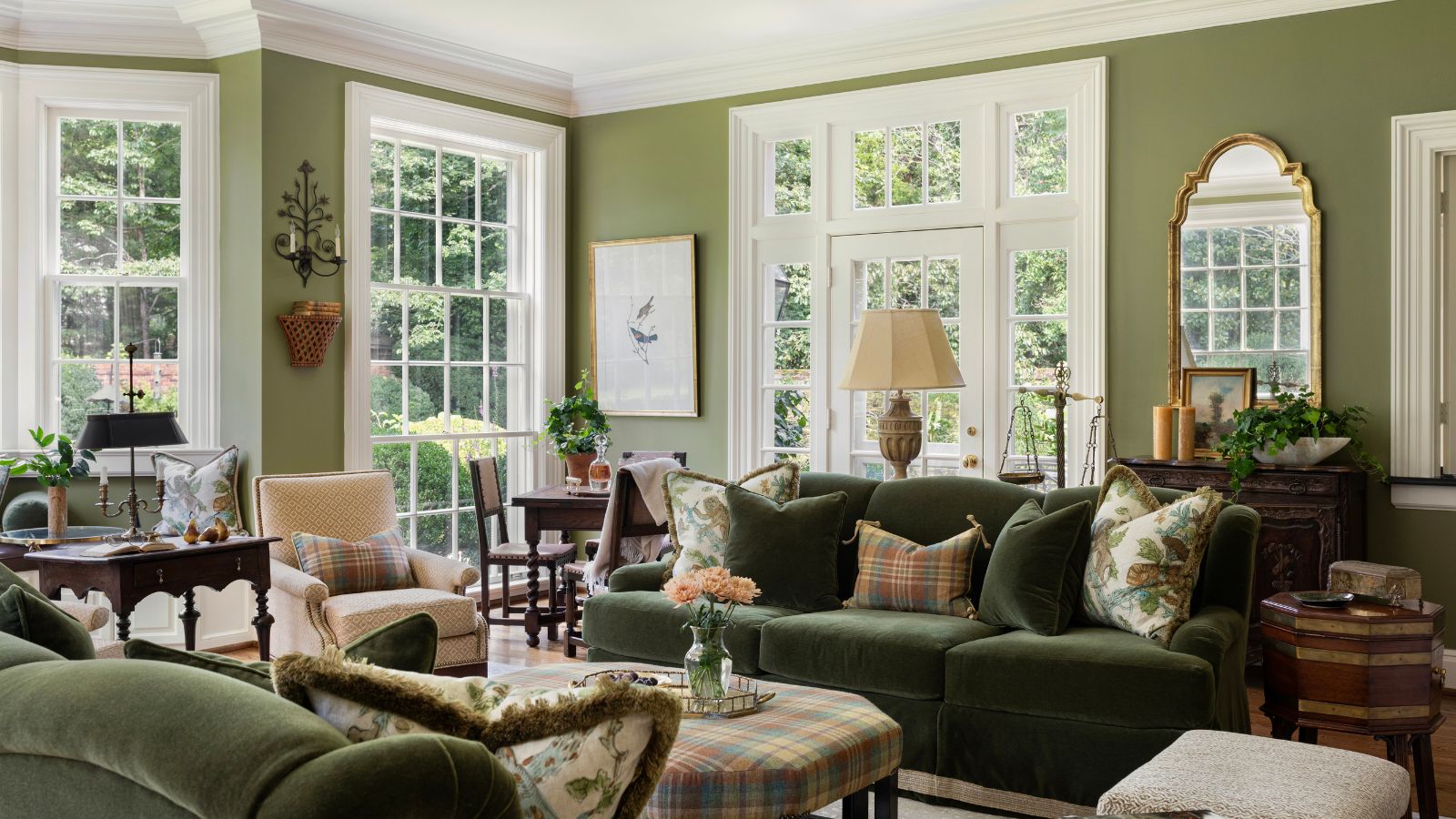
A mid-century modern sofa in muted olive anchors the space. Its low profile and tufted upholstery impart streamlined elegance. - Accent Seating
Two cognac leather sling chairs balance the sofa’s cool hue with warm tones. Their open frames offset the sofa’s substantial form. - Central Table
A circular walnut coffee table stands between them, its radial grain echoing the sofa’s symmetrical tufting. - Storage and Display
A floating console in bleached oak runs along one wall. Mounted art above it is evenly spaced to maintain visual poise. - Lighting
A brass arc lamp rises behind the sofa, its luminaire hovering above the table. On the console, matching matte ceramic lamps punctuate either end. - Rug and Accessories
A hand-knotted ivory rug grounds the seating cluster. Cushions in slate blue and mustard provide tonal counterpoints. A woven basket and sculptural vase complete the vignette without overcrowding it.
This living room exemplifies balanced look furniture designs by weaving scale, color, texture, and negative space into a cohesive whole.
Bringing Balance to Other Rooms
Dining Room
- Use a rectangular table flanked by benches. Add upholstered end chairs to soften the rigidity.
- Center an overhead fixture above the table. Ensure its width aligns with the tabletop’s dimensions.
Bedroom
- Anchor the bed with symmetrical nightstands and identical lamps.
- Position a bench at the foot of the bed to balance headboard heft.
- Use a pair of ottomans or stools beneath a window seat for equilibrium.
Home Office
- Combine a streamlined desk with a low credenza opposite.
- Anchor the ergonomic task chair with an area rug beneath to demarcate the workspace.
- Balance wall shelves on both sides of a central art piece.
Styling Tips for Enduring Equilibrium
- Edit Ruthlessly: Remove any piece that disrupts flow. Less is more—each item must earn its place.
- Layer Thoughtfully: Introduce layers gradually—first large furniture, then lighting, then accessories.
- Maintain Symmetry Where Needed: In formal areas, mirror arrangements for instant balance.
- Embrace Imperfection: Slight deviations in asymmetrical layouts lend authenticity and human touch.
- Rotate Elements: Every few months, swap cushions or small furnishings between rooms to refresh balance.
Maintenance of Balanced Interiors
- Regular Reassessment: Periodically step back and view the room from different angles. Adjust as needed.
- Upholstery Care: Rotate and fluff cushions to preserve shape and weight distribution.
- Surface Cleaning: Keep floors and surfaces clear to maintain negative space integrity.
A balanced interior resonates with visual tranquility and functional clarity. By harnessing principles of symmetry, scale, material contrast, and negative space, you can craft rooms that feel both intentional and inviting. Let balanced look furniture designs guide your selections—from statement sofas to artful lighting—for spaces that exude poise and pleasure in equal measure.