
Furniture Ideas to Frame Your Space every room has a story, and furniture is the punctuation. How pieces are arranged, what shapes are chosen, and where lines begin and end—these decisions define a space’s rhythm and mood. When done thoughtfully, furniture becomes more than decor or function; it becomes architecture. It outlines flow, accentuates zones, and fosters purpose. The art of framing space with furniture is all about designing environments that feel composed, coherent, and entirely lived in.
Whether you’re styling a studio apartment or planning a layout for a spacious open-plan home, the goal is the same: to create invisible boundaries that elevate everyday life. From grounding elements to visual anchors, this guide explores how to place and select furniture that defines space with finesse.
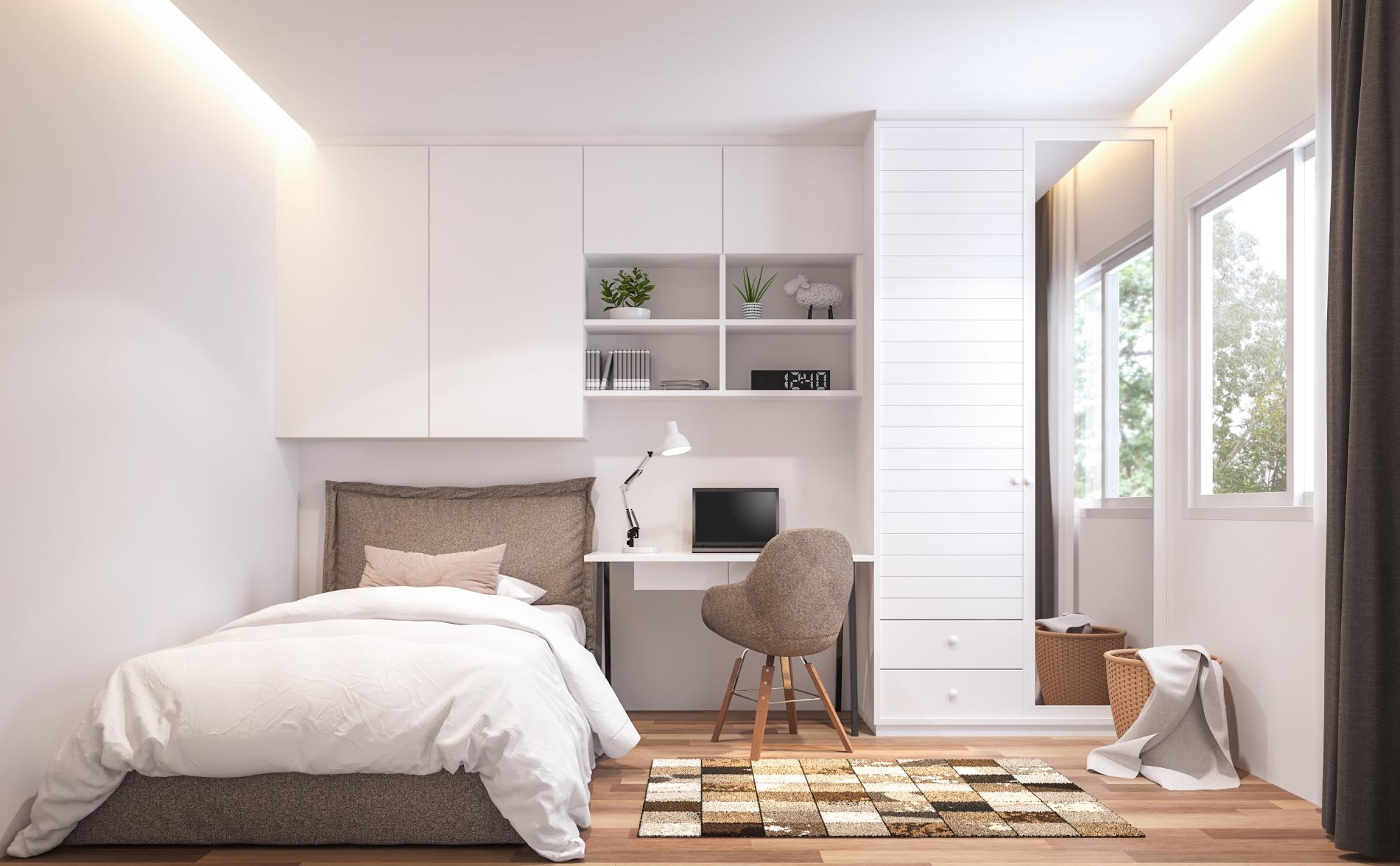
Understanding Spatial Framing
What It Means to Frame a Space
Framing isn’t limited to art or architecture. In interiors, it’s the subtle use of furniture to define edges, draw the eye, and guide flow. Picture a tall bookshelf acting as a divider, or a curved sofa marking the perimeter of a conversation nook. These gestures don’t require walls—they rely on placement, proportion, and presence.
Why It Matters
- Creates Intimacy in open layouts
- Enhances Functionality by distinguishing zones
- Boosts Aesthetic Clarity by giving every piece a role
- Improves Movement through natural, intuitive paths
- Adds Intentionality to even the smallest corners
In short, framing space with furniture turns chaos into calm, and ambiguity into purpose.
Layout Strategies That Work
Anchor with Area Rugs and Centerpieces
Area rugs are the unsung heroes of spatial framing. They act like visual trays, grouping furniture into coherent units. The furniture that rests upon them—sofas, chairs, tables—then becomes part of a deliberate composition.
- Living Rooms: Use a large rug to define the perimeter of seating. Add a centered coffee table as the visual keystone.
- Dining Rooms: Position the dining table and chairs entirely on a rug to separate the dining zone from adjoining spaces.
- Bedrooms: Lay a rug beneath the bed that extends at least two feet beyond all sides—anchoring the room’s largest piece with grace.
This is the simplest way to start framing space with furniture without adding extra items or structural changes.
Floating Furniture from the Walls
When you pull furniture away from the walls, you carve new zones within a room. A floating sofa can delineate a lounge area from a workspace. A desk positioned with its back to a reading chair separates functions cleanly without walls.
- Use low consoles or bookcases behind sofas to enhance the border.
- Pair with overhead lighting—like pendant lamps—to emphasize the zone vertically as well.
This approach emphasizes form and flow, subtly guiding how the space is used and experienced.
Bookcases as Vertical Frames
Tall bookcases, especially open ones, act like standing picture frames for the space they border. They’re particularly useful in:
- Open-plan spaces where one area leads into the next.
- Entryways where a pair of bookcases can guide entry and exit while providing storage.
- Studios or small apartments to visually separate sleeping from living zones.
Choose designs with airy, open backs for lightness or closed backs for a more grounded, room-defining effect.
Furniture Types That Shape Space
Curved Sofas and Sectionals
A curved sofa is an invitation. It wraps around a coffee table, pulling guests inward. In contrast to the straight lines of walls and floors, the curvature acts as a soft enclosure.
- Best used in large living rooms to create an island of comfort.
- In smaller rooms, a small curved loveseat can still define a corner and provide dramatic softness.
Sectionals, meanwhile, can form an L or U shape that hugs a seating area, defining boundaries with bold intent. Few pieces are better at framing space with furniture than a well-scaled sectional.
Room Dividers and Open Shelving Units
Open shelving offers a semi-transparent way to split a room, allowing light and sightlines to remain while marking the divide.
- Use in bedrooms to separate dressing areas.
- In studios, place behind a bed to establish a ‘bedroom’ zone.
- In living rooms, let it double as display and storage.
Look for materials like warm woods, matte black frames, or even woven cane for an artisan vibe that also frames beautifully.
Oversized Headboards and Bed Frames
A bed, especially in a minimalist room, often becomes the visual center. An oversized or architectural headboard instantly anchors and frames that zone.
- Extend the headboard beyond the mattress width for a hotel-luxury effect.
- Combine with flanking sconces or tall mirrors to elongate and elevate the visual frame.
- Platform beds with extended side rails or low built-ins help subtly expand the bedroom footprint without clutter.
This method of framing space with furniture transforms sleeping quarters into serene, structured retreats.
Zoning With Consoles, Benches, and Sideboards
Entryway Framing
A slender console table beneath a mirror or artwork defines the entry zone. Even in the absence of walls, this setup announces the transition between inside and outside.
- Add a runner rug, a stool, and a coat hook. Instantly, you’ve framed a function.
- Use a bench instead of a console for a softer silhouette and seating flexibility.
Back-of-Sofa Consoles
A console placed behind a floating sofa acts as a bridge between zones. It also provides styling opportunities and function—think baskets, lighting, or decor.
- Choose a height that’s even with or just below the back of the sofa.
- Style with intentional asymmetry: one lamp, one tray, one book stack.
Sideboards as Visual Bookends
Placing a sideboard at the end of a dining zone or along a hallway not only provides storage, but also signals the end of a space.
- Use with tall vases, art, or layered frames to create height and interest.
- Match wood tones with nearby flooring or table legs to maintain harmony.
These framing devices help articulate space with grace and sophistication.
Using Shape and Line for Directionality
The direction in which a piece “points” matters. Long, horizontal lines lead the eye, while vertical ones create height.
Horizontal Framing Examples:
- A long bench under a window widens the space.
- A linear sofa aligns with sightlines and defines width.
- A dining table that matches the room’s long axis elongates the feel of the space.
Vertical Framing Examples:
- A tall wardrobe or cabinet draws the eye upward.
- A vertical mirror between two windows becomes an anchoring axis.
- Floor-to-ceiling drapes around furniture add soft vertical columns.
By manipulating these lines, framing space with furniture becomes an exercise in visual choreography.
Colors and Finishes That Support Framing
The finish of a piece plays a critical role in its ability to define space.
Use Lighter Pieces to Expand
Light woods, natural fabrics, and pale finishes make furniture appear airy. These pieces can frame without weighing down the room.
- Ideal for compact spaces where openness matters.
- Great for open shelves, dining chairs, and floating desks.
Darker Pieces to Ground
Deep walnuts, black metals, or rich leather create visual anchors. These act like exclamation points.
- Perfect for coffee tables, credenzas, or bed frames.
- Pair with lighter walls to let the pieces “pop.”
This interplay between light and dark supports the goal of framing space with furniture through tonal balance.
Multipurpose Pieces That Frame While They Function
Daybeds and Chaise Lounges
Placed in open-plan living areas, a daybed runs perpendicular to a sofa and helps separate conversation from reading zones. Its open sides offer flexibility while still acting as a soft barrier.
Kitchen Islands on Wheels
A mobile kitchen island can act as a divider between cook zone and dine zone. Choose one with open shelving or bar seating to keep it light yet present.
Drop-Leaf Tables
When expanded, they host dinner. Folded down, they form a narrow console that still defines a space’s purpose.
Each of these helps with framing space with furniture while adapting to changing needs.
Framing Outdoor Spaces
The same principles apply beyond the walls of your home.
Outdoor Sofas and Sectionals
Arrange facing sofas around a firepit to create a square or U-shaped zone. Even in open backyards, this suggests “roomness.”
Pergolas and Overhead Beams
Structure above seating zones frames from the top down, adding intimacy.
Planters and Tall Lanterns
Use matching tall planters at the corners of patios or large lanterns at transitions. They’re low-maintenance spatial markers that double as style statements.
Framing outdoor space enhances usability and ambiance in one graceful move.
Case Study: A Framed Studio Apartment
Let’s walk through how to use furniture to define and frame different zones in a 500-square-foot studio:
- Sleeping Area
- Platform bed with extended wood frame
- Tall headboard in boucle fabric
- Floor-to-ceiling curtains wrap the window behind for soft framing
- Living Area
- Curved loveseat floating in center
- Oval coffee table on woven jute rug
- Armless lounge chair angled inward, forming a conversational crescent
- Workspace
- Slim writing desk against the wall with tall task lamp
- Open shelving unit behind doubles as room divider
- Dining Zone
- Round bistro table with pedestal base
- Two chairs with slender legs for minimal footprint
- Overhead pendant lights suspended low to “cap” the zone
Each area feels distinct, functional, and intentional—thanks to the art of framing space with furniture rather than building new walls.
Great design isn’t always about more. Sometimes, it’s about smarter—smarter shapes, smarter placements, smarter flow. The spaces we inhabit should reflect not just how we live, but how we want to feel. Framing with furniture creates zones that speak of purpose, comfort, and quiet beauty. It’s where architecture and intimacy meet.
So whether you’re outlining a reading nook with a curved chair and lamp, or delineating an entry with a sleek console and rug, the effect is the same: intention made visible. The home becomes not just a collection of pieces—but a gallery of curated moments, framed perfectly. That’s the elegance and quiet brilliance of framing space with furniture.