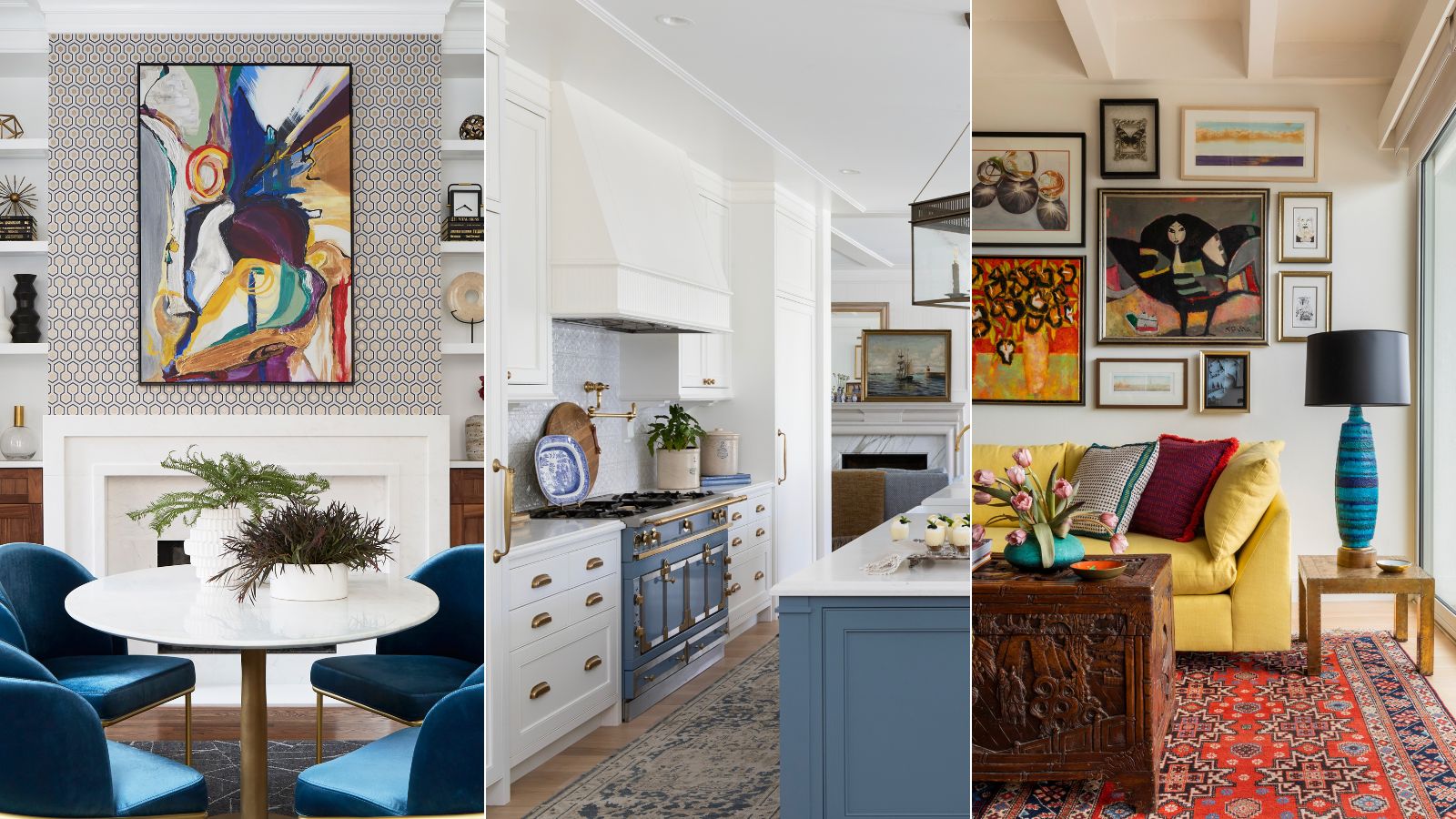
Textured Interior Design to Try incorporating varied surfaces and materials can transform any space from flat to fascinating. Embrace tactile richness and visual intrigue with inventive strategies that evoke comfort and sophistication. Below are expert approaches to try textured design layers that elevate interiors through a symphony of touch and sight. Short sentences punctuate. Longer explorations unfold complexity.
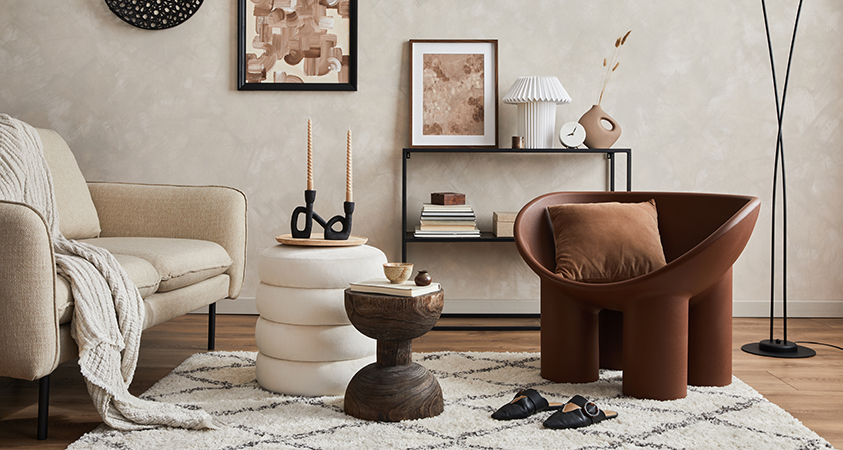
The Power of Texture
Texture shapes perception.
Short.
Longer sentence: by engaging both sight and touch, textured elements foster warmth, depth, and a sense of luxurious complexity that bare surfaces cannot achieve.
- Emotional Resonance: Soft textiles comfort, while rough stone grounds.
- Architectural Interest: Textured walls read as sculptural features.
- Layering Potential: Multiple textures interplay to create a cohesive, dynamic environment.
These pillars encourage you to try textured design layers in every room.
Defining Your Texture Palette
Consider three tiers of texture for balanced layering:
- Foundation Layer
- Primary surfaces: walls, floors, and ceilings.
- Options: plaster finishes, wood planks, ceramic tiles.
- Mid-Layer Elements
- Big furnishings: sofas, rugs, and paneling.
- Options: bouclé upholstery, sisal or jute rugs, fluted wood panels.
- Accent Layer
- Small décor: pillows, throws, and objets.
- Options: handwoven cushions, sculptural ceramics, woven baskets.
Short. Then long: weaving these three layers ensures each zone feels complete, inviting, and worth exploring.
Textured Walls: Beyond Paint
Walls offer the largest canvas for tactile statements.
Venetian Plaster and Tadelakt
- Silky, undulating finishes that catch light differently across angles.
- Creates a subtly variegated backdrop with artisanal flair.
grasscloth Wallpaper
- Natural-fiber weave imparts organic warmth.
- Visible seams and irregularities underscore handcrafted charm.
3D Wall Panels
- Geometric or wave patterns sculpt the surface.
- Painted in monochrome or metallic to unite with existing palette.
Short. Expanded: choosing a textured wall treatment sets the tone for the entire space, inviting further exploration of surfaces and materials.
Flooring with Feeling
Underfoot texture anchors a room’s sensory identity.
- Reclaimed Wood Planks: Knotty grain and patina lend authenticity.
- Patterned Tiles: Relief or encaustic motifs provide visual rhythm.
- Layered Rugs: Place a plush area rug atop a flatweave base for contrast.
Short. Then long: mixing hard and soft underfoot surfaces guides footsteps and defines activity zones through tactile shifts.
Layered Rugs: The Ultimate Textile Duo
Combine two or more rugs to create depth.
- Foundation Rug
- Neutral tones, natural fibers, low pile.
- Accent Rug
- Bold pattern or richer texture—wool shag, vintage kilim.
Short. Expanded: the contrast in weave, color saturation, and pile height exemplifies how to try textured design layers with dramatic effect.
Upholstery: Soft Sculptures
Choosing the right fabrics elevates furniture into sensory focal points.
- Bouclé and Teddy: Nubby loops that diffuse light and invite touch.
- Velvet and Chenille: Smooth, lustrous surfaces that shift hue with angle.
- Leather and Faux Leather: Cool to the touch, with characterful creasing over time.
Short. Then longer: selecting a mix of these upholsteries within one seating group or bedroom ensemble maximizes tactile variety without visual discord.
Window Treatments: Draperies That Drape
Curtains and blinds can be islands of texture.
- Layered Drapes: Combine sheer linen panels with heavier velvet or wool ones.
- Woven Wood Shades: Bamboo or rattan blinds filter light and display natural grain.
- Textile Valances: Soft-fabric top treatments that bridge window and wall textures.
Short. Expanded: layering across different weights and weaves encourages the eye to linger and caress with fingertips.
Furniture Finishes: Tactile Furniture
Furniture surfaces can surprise.
- Fluted and Reeded Wood
- Vertical grooves create shadow play.
- Textured Lacquer
- Subtle “orange peel” effect that diffuses glare.
- Metal Hammered or Brushed
- Imperfections in metal finishes reveal hand-craft.
Short. Then longer: by specifying pieces with these finishes, you sustain textural dialogue from floor to ceiling.
Accessorizing with Accents
Small touches can reinforce the layered look.
- Handwoven Baskets: Organic contours and color variation.
- Ceramic Vessels: Glazed and matte finishes, ribbed or smooth forms.
- Tactile Artifacts: Carved wood sculptures, macramé wall hangings.
Short. Expanded: scattering these accents throughout provides punctuation marks in your textural narrative, inviting the phrase try textured design layers to resonate in every corner.
Kitchen Textures: Cook Up Contrast
Even utilitarian spaces benefit from texture.
- Beadboard Cabinetry: Painted or stained, it introduces linear relief.
- Textured Backsplash: Handmade tile, fluted glass, or rippled metal.
- Barn Wood Shelves: Weathered edge and grain create rustic balance to sleek countertops.
Short. Then longer: pairing smooth quartz with rough-hewn wood and rippled tile illustrates sophisticated textural interplay.
Bathroom Surfaces: Spa‑Like Serenity
Bathrooms are ideal for bold textural statements.
- Tadelakt or Microcement Walls: Seamless, water-resistant, tactilely smooth.
- Pebble-Mosaic Floors: Underfoot undulations that massage and ground.
- Ribbed Vanity Fronts: Fluted textures complement vessel sinks.
Short. Expanded: these surfaces replicate spa luxuries, encouraging moments of mindful touch and visual immersion.
Textured Ceiling Treatments
Don’t neglect overhead planes.
- Tongue-and-Groove Wood: Painted or natural finish adds warmth.
- Patterned Tin Tiles: Vintage charm and embossed details.
- Fabric Canopies: Draped textiles soften and muffle sound.
Short. Then long: extending texture to ceilings encloses spaces in tactile richness, creating fully enveloping shells of comfort.
Accent Walls with Natural Elements
Integrate organic materials for immediate textural impact.
- Stone Veneer
- Ledgerstone or stacked slate brings rugged relief.
- Reclaimed Brick
- Painted or raw, it adds historic character.
- Vertical Gardens
- Living moss or succulent walls present lush, ever‑changing texture.
Short. Expanded: these accent walls celebrate nature’s surface variety, encouraging you to try textured design layers through living and inanimate means.
Textural Color Play
Pair texture with color to dramatize depth.
- Tone-on-Tone: A wool rug in charcoal atop gray concrete floors.
- Contrast Pop: A bright velvet armchair on a neutral jute base.
- Ombre Textiles: Gradients in throw blankets echo tonal shifts with tactile gradient.
Short. Then long: using texture to amplify chromatic transitions turns simple color schemes into multisensory experiences.
Lighting to Highlight Texture
Proper illumination reveals surface nuance.
- Grazing Light: Wall washers at shallow angles to accentuate relief.
- Diffused Glows: Soft-globed fixtures reduce glare on nubby surfaces.
- Pendants with Diffusers: Emit patterned light that dances across textures.
Short. Expanded: lighting strategies are vital to showcase every contour and weave—integral when you try textured design layers.
Case Study: A Layered Living Room
Imagine a living room built around textures. Walls finished in subtle tadelakt impasto. Floor laid in wide-plank oak, unfinished for natural grain prominence. A foundation sisal rug anchors the seating zone. On top, a vintage Persian runner introduces intricate pattern and pile. A low-profile sofa in boucle faces a concrete coffee table with minimal form. Flanking chairs in velvet teal inject contrast. A weathered-wood side table and a ribbed-metal floor lamp flank the grouping. Draperies combine sheer linen inner panels and heavyweight wool outer ones. A 3D-panel accent wall painted matte white provides sculptural interest. Accessories include handwoven baskets, ceramic vases, and a sheepskin throw. Overhead, a fluted wood ceiling panel adds warmth. Recessed grazing lights highlight the panel’s grooves. This scenario demonstrates how to try textured design layers across surfaces, furnishings, and accents for a cohesive, tactile haven.
Practical Steps for Implementation
- Audit Current Textures
- List materials in walls, floors, and furniture.
- Identify gaps and opportunities for layering.
- Select One New Treatment
- Begin with a statement wall or a rug layering experiment.
- Observe interaction with existing textures.
- Layer in Phases
- Add mid-layer upholstery next.
- Finish with accent pieces—pillows, baskets, and art.
- Test Lighting Effects
- Install grazing and diffused fixtures to see how surfaces respond.
- Rotate and Refresh
- Swap throws and small accessories seasonally to renew tactile interest.
Short. Then longer: following this phased approach encourages confidence as you try textured design layers without overwhelming the senses or breaking budgets.
Maintenance and Care
Texture requires mindful upkeep.
- Vacuum Low Pile: Keep rugs free of dust and debris.
- Spot Clean Upholstery: Address spills promptly on bouclé and velvet.
- Dust Sculptural Forms: Wipe fluted panels and ribbed metal to maintain crisp lines.
- Seal Natural Elements: Stone and wood must be resealed periodically to retain finish.
Short. Expanded: careful maintenance preserves the intended tactile richness, ensuring your textural experiments endure beautifully.
Textured interiors transform flat rooms into engaging sanctuaries through layered tactility and visual intrigue. From wall treatments and flooring to upholstery and accents, every element offers an opportunity to try textured design layers. By meticulously curating foundation, mid-layer, and accent textures, and by integrating thoughtful lighting, you create environments that stimulate both sight and touch. Begin by auditing existing surfaces, then introduce new textures in manageable phases. Embrace the interplay of soft and hard, matte and glossy, raw and refined. The result: interiors that feel complete, comforting, and endlessly fascinating.