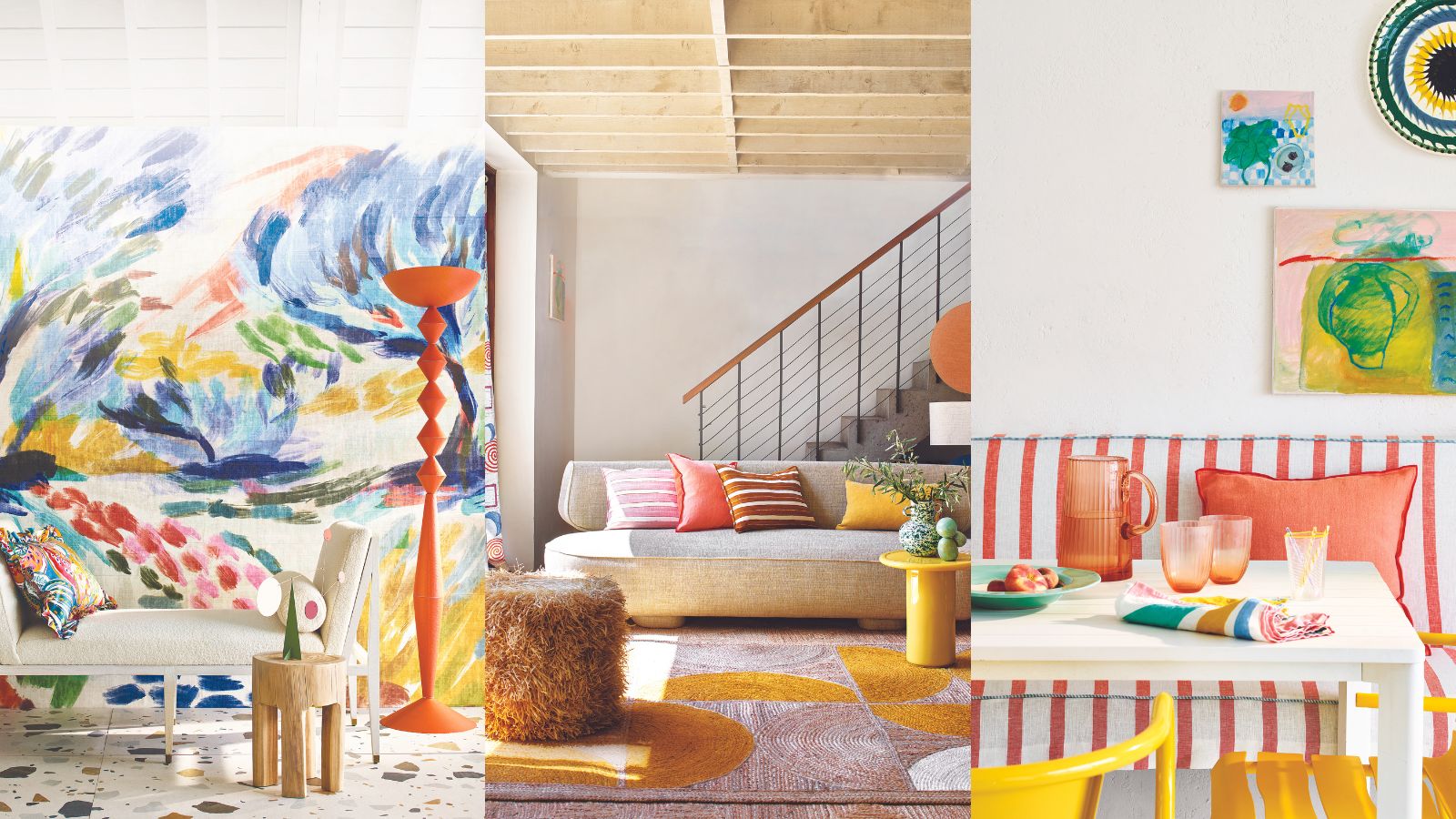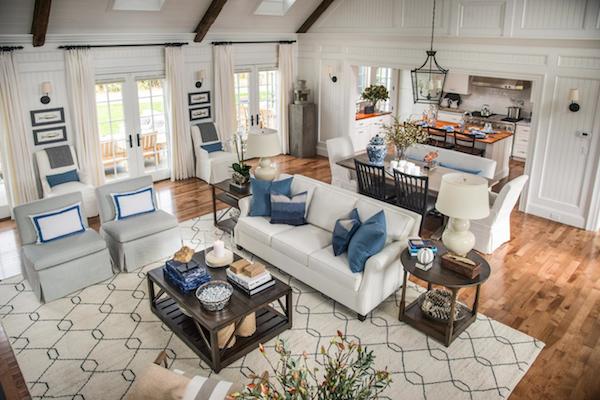
Interior Design That Blends Old and New the art of uniting heritage and modernity lies at the heart of an old new design blend. In these interiors, weathered patinas converse with sleek minimalism. Heirloom artifacts sit comfortably beside avant-garde sculptures. This harmonious dialogue invites the past into the present, forging spaces that feel both storied and fresh.
The Allure of Temporal Confluence
Historic residences often bear narratives in their beams and moldings. Yet, without renewal, they can feel museum-like—static and distant. Conversely, ultra-modern lofts can appear cold and impersonal. The solution is neither pure preservation nor radical overhaul. Instead, an old new design blend creates a palimpsest of epochs, where layers of time coexist in symbiotic equilibrium. It’s a curated heterotopia, an aesthetic stratigraphy that ignites curiosity and comfort.
Core Principles of Old New Design Blend
- Dialogue of Textures
A hand-planed oak mantel anchors the hearth. Opposite it, a glass-and-steel coffee table reflects the firelight. Rough and smooth. Organic and industrial. Together, they compose a tactile sonnet. - Chromatic Continuity
Hue continuity serves as the linchpin. Whether restrained neutrals—ivory, greige, charcoal—or bolder palettes—emerald, terracotta, indigo—the color narrative threads through old and new elements alike. - Scale and Proportion
Oversized antique mirrors can overwhelm a compact modern sofa. Miniature period paintings may vanish beside a monumental abstract canvas. Striking the right proportion preserves visual hierarchy and prevents misalignment. - Focal Anchorage
Every room needs an anchor piece—an architectural remnant or contemporary sculptural form. This focal point becomes the gravitational center of your old new design blend, giving coherence amid diversity. - Selective Juxtaposition
Not every vintage object must pair with a sleek contemporary piece. Curate judiciously. A rococo console might elegantly complement a mid-century modern chair, but an entire suite of elaborately carved furnishings would clash with minimalist décor. - Spatial Rhythm
Rhythm in placement—alternating old and new artifacts at intervals—guides the eye fluidly. It prevents clustering of like pieces and fosters a sense of balanced progression.
Architectural Foundations
Exposed Structural Elements
- Beams and Brackets: Keep original timber beams visible. Clear-seal them to reveal grain, then contrast with a painted metal column or a polished concrete soffit.
- Brick and Stone Work: Preserve a segment of exposed brick. Enhance this fragment with a recessed LED channel for an ethereal glow.
- Architraves and Moldings: Retain one intact door surround per room as a nod to period detail, while streamlining others with flush, minimal casings.
Modern Insertions
- Curtain Walls: Introduce floor‑to‑ceiling glazing where structurally feasible. The transparency juxtaposes the solidity of masonry.
- Floating Volumes: Cantilever a gallery mezzanine in steel and glass above an original stone plinth. This creates a chiaroscuro of mass and lightness.
Material Dialogue
Wood
Reclaimed hardwood floors with hand‑hewn distressing set the stage. Above them, lacquered cabinetry in matte charcoal provides sleek contrast. A live-edge dining table becomes a central podium—its natural anisotropy echoing organic processes amid geometric cabinetry.
Metal
Cast-iron radiators can be refurbished and painted in contemporary hues. Pair these with brushed brass fixtures—taps, door handles, lighting arms—to weave a visual brassage between industrial grit and polished refinement.
Stone and Concrete
Polished terrazzo floors with pebbled inlays resonate with the mineral veins of original flagstones. A concrete island in the kitchen stands in elegant tension with a carved marble sink basin rescued from a neoclassical villa.
Glass and Mirror
Mirrored panels retrofitted into antique frames add depth and luminosity. Meanwhile, monolithic glass screens define zones without visual obstruction, embracing the ethos of open-plan deliberation.
Furniture Selections
Period Pieces
- Heirloom Seating: A Biedermeier bergère reupholstered in muted boucle sets an inviting contrast beside a tubular steel lounge chair.
- Console Tables: An Empire-style console supports a minimalist LED sculpture, bridging ornate form with kinetic light.
Contemporary Objects
- Sculptural Lighting: Chandeliers of spun aluminum or resin pendants with organic silhouettes counterbalance the weight of historic draperies or tapestries.
- Modular Sofas: Low-profile, sectional designs in plush velvet introduce modern comfort without erasing classic centerpieces.
Hybrid Creations
Commission bespoke pieces that literally interlace old and new: a coffee table forged from reclaimed wagon wheel spokes sandwiched between tempered-glass surfaces; or a bookshelf merging salvaged corbels with floating steel shelves.
Textiles and Patterns
- Historic Weaves: Hang fragments of antique kilim rugs as wall art. Their tribal patterns converse with geometric, hand‑printed contemporary textiles on upholstery.
- Modern Motifs: Introduce throw pillows in bold, architectonic prints—chevrons, hexagons, pixelated abstractions—against damask or brocade drapery.
Balance is crucial. The old new design blend emerges when textiles layer in graduated scales—large‑scale motifs on rugs, mid‑scale patterns on cushions, small‑scale accents on lampshades.
Lighting: Illuminating Temporal Layers
- Ambient Layer: Recessed trough lighting washes over original stone walls.
- Task Layer: Swing-arm sconces in patinated bronze flank a contemporary study desk.
- Accent Layer: Gallery spotlights showcase a selection of artifacts—ceramics, sculptures, heirloom vessels—on floating shelves.
Dimmer systems and tunable white LEDs enable the space to transition from crystalline daylight ambience to languorous twilight.
Room‑by‑Room: Implementing Old New Design Blend
Living Room
A grand, restored fireplace with original carved limestone becomes the nucleus. Above it, a commissioned abstract painting in muted earth tones hovers. Flank the hearth with a streamlined, low-slung sofa in neutral boucle. Accent with a pair of Italian mid-century armchairs in cognac leather. A modern shagreen coffee table sits atop a vintage Persian rug whose colors echo the leather’s amber patina.
Short. Then long. Then deepen.
Kitchen
Retain original cabinetry carcasses where possible; replace only doors and drawer fronts with flat-panel matte-finish alternatives. Overlay a butcher-block countertop on the existing stone hearth. Install a pair of industrial pendants in blackened steel above a brushed-steel island. A splashback of hand-made encaustic tiles rescued from a 19th-century manor recalls artisanal heritage.
Bedroom
Preserve an original plaster ceiling medallion; integrate a minimal LED flush-mount light that nestles within its contours. A platform bed in bleached walnut echoes the tone of salvaged pine floorboards. Flank with matching floating nightstands—simple slabs that allow the ornate ceiling to take centre stage. Linen drapes provide soft framing, and an overall tonal palette of dove grey and ivory underpins serenity.
Bathroom
Expose an original cast-iron radiator, repainted in satin black. Pair it with a contemporary frameless glass shower enclosure. A sculptural concrete basin rests on a restored pine vanity, while brass taps add a polished counterpoint. Walls clad in handmade terracotta tiles introduce terroir, while underfloor heating ensures modern comfort.
Home Office
A restored roll-top desk occupies a corner, its surface cleared save for a single sculptural lamp in mouth-blown glass. Opposite, sleek metal shelving holds books and periodicals in equal measure. An ergonomic chair in perforated leather and chrome completes the workspace. Diffused daylight filters through reconditioned sash windows, their original glazing preserved.
Dining Room
A Flemish-style oak boardroom table commands attention. Overhead, a modern chandelier of cascading resin panels mimics the movement of leaves. Chairs in simple Scandinavian forms encircle the table, each painted to match bespoke baroque console cabinets lining one wall. A sideboard features a display of earthenware bowls alongside modern glass carafes.
Sustainability and Storytelling
Reclaim rather than replace. Salvage materials and redistribute them. Upcycle redundant architectural fragments—lintels as shelf brackets, corbels as table legs. Commission local artisans to reforge old elements into new forms. Through this ethos, the old new design blend becomes an eco-conscious manifesto.
Common Pitfalls and How to Avoid Them
- Temporal Overload
Too many eras lead to visual cacophony.
Remedy: Limit the number of distinct periods to two or three per space. - Misaligned Scales
A massive Renaissance mirror dwarfs minimal furnishings.
Remedy: Use mock-ups or templates to gauge proportional relationships. - Color Dissonance
Juxtaposing antique patinas with jarring modern hues jars the eye.
Remedy: Anchor with a unified palette—either tonal neutrals or complementary accents. - Neglecting Focal Balance
Without a central focal point, design can fragment.
Remedy: Designate one anchor piece per room—a fireplace, a sculpture, a bespoke tapestry.
Styling Tips for Cohesion
- Echo Motifs: Repeat a curve from an antique chair in a modern rug’s pattern.
- Bridge Materials: Use a common material—brass or walnut—across both old and new pieces.
- Negative Breathing: Allow empty wall or floor spaces to prevent clutter.
- Visual Anchors: Place a bold new artwork above a preserved antique mantel to unite time periods.
Uncommon Terminology to Enrich the Narrative
- Temporal Palimpsest: Layers of design that reveal epochs beneath.
- Symbiotic Stratigraphy: Coexisting layers of material history.
- Anachronistic Harmony: Contrasting eras that resonate in unity.
- Vestigial Ornament: Fragmentary detailing retained for narrative.
- Techno‑vestige Fusion: Integration of cutting-edge elements alongside relic forms.
Personalization: Infusing Individual Narratives
Every collector’s trove, every inherited artifact, becomes part of the tapestry. Display a grandmother’s spinet keyboard repurposed as a console tabletop. Showcase a first-edition folio nestled alongside a minimalist designer lamp. Frame a family photograph in a restored gilt frame but mount it on an acrylic floating panel. These curated vignettes render the old new design blend deeply personal.
Sustaining the Vision Over Time
- Rotational Edits: Swap out sculptures or textiles seasonally to refresh the dialogue.
- Conservation Care: Periodically restore wood finishes and metal patinas.
- Adaptive Reuse: Reimagine a piece’s function—convert a demilune table into a planter stand.
- Responsive Lighting: Adjust color temperature settings across day and night to complement both old and new surfaces.
An old new design blend transcends the binary of vintage versus contemporary. It forges interiors that are at once reverent and revolutionary. By orchestrating conversations among materials, scales, and hues, one creates spaces that feel alive with narrative and comfort. This alchemy of epochs yields dwellings that are not simply lived in, but truly inhabited—where every surface, every artifact, is a testament to a dynamic reverence for time.