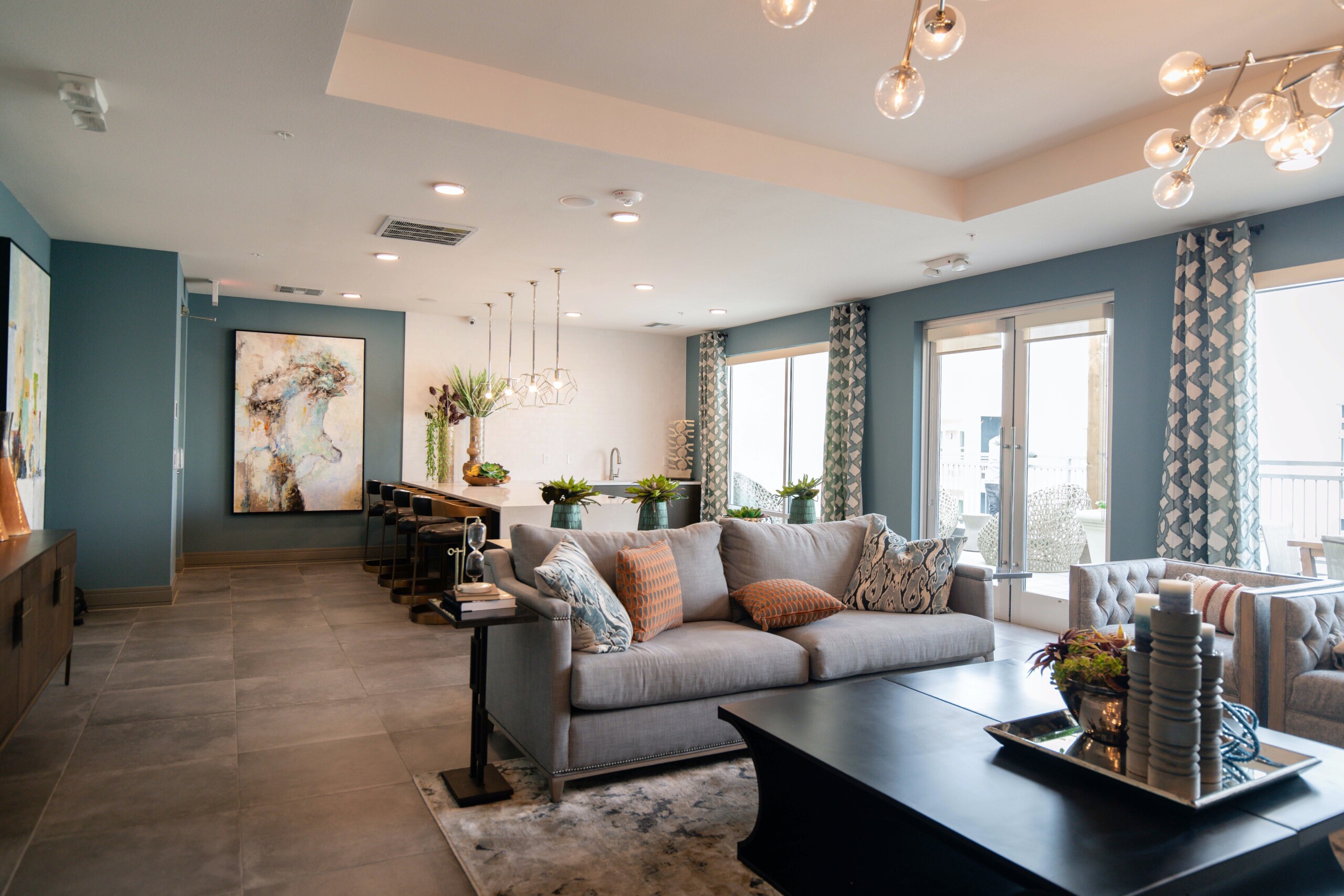
Chic Interior Design for Every Style in an age awash with fleeting fads and ephemeral flourishes, a truly chic design for everyone endures. It transcends the capricious whims of trend cycles and embraces nuance, versatility, and a touch of je ne sais quoi. This guide illuminates how to infuse every abode—from urban loft to countryside retreat—with an air of cultivated elegance, ensuring that chic interior design is not a privileged pursuit but rather a chic design for everyone.

Defining Chic Interior Design
Chic is more than a superficial veneer; it’s an attitude distilled into space. It marries polish with personality, restraint with unexpected verve. To achieve a chic design for everyone, one must balance:
- Refinement with warmth: Polished finishes meet textural accents.
- Simplicity with intrigue: Clean lines punctuated by artful focal points.
- Cohesion with individuality: A harmonious whole peppered with personal narratives.
Core Principles of Universal Chic
1. Intentional Simplicity
A room must breathe. Negative space is as potent as ornamentation. Edit mercilessly. Retain only what resonates emotionally or functionally.
2. Signature Statement
Every space needs one or two arresting elements: a sculptural light fixture, a bold pattern, an oversize mirror with an antique gilt frame. These become silent proclamations of taste.
3. Textural Alchemy
Velvet and boucle. Brushed metal and raw ceramic. Handwoven textiles and polished glass. The interplay of textures evokes a sensory tapestry that delights beyond the visual.
4. Polychromatic Harmony
Even a neutral schema can sing if calibrated correctly. Combine soft greiges, ivory, and taupe with deeper anchors—charcoal, tobacco brown, or inky navy. Accent with staccato bursts of jewel tones or muted pastels.
5. Layered Lighting
Ambient, task, and accent: the trifecta of illumination. Chandeliers, sconces, table lamps, and concealed LED strips coalesce into an orchestration of radiance and shadow.
Universality in Practice
Chic is inherently adaptable. Whether you favor minimalist austerity or maximalist flamboyance, the following strategies ensure that a chic design for everyone emerges in tune with your proclivities.
A. Minimalist Chic
- Palette: Tonal whites, pale limestone, and dove gray.
- Materials: Lacquered lacquer-free surfaces, honed marble, fine-grained oak.
- Accents: One statement sculpture or a single large abstract canvas.
B. Bohemian Reimagined
- Palette: Earthy rusts, saffron yellows, forest greens.
- Materials: Hand-dyed kilims, rattan, macramé accents.
- Accents: Stacked vintage trunks, an assortment of artisanal ceramics.
C. Industrial Elegance
- Palette: Charcoal, oxidized bronze, slate.
- Materials: Exposed brick, polished concrete, patinated steel.
- Accents: Edison-bulb pendants and wrought-iron bookcases.
D. Traditional Luxe
- Palette: Ivory, taupe, navy, and burgundy.
- Materials: Rich walnut wood, silk draperies, carved stone fireplaces.
- Accents: Antique mirrors, classic chinoiserie motifs, sumptuous velvet sofas.
E. Modern Eclectic
- Palette: Monochrome base with blazing fuchsia or emerald.
- Materials: High-gloss lacquers, lucite tables, terrazzo floors.
- Accents: Pop-art prints, asymmetrical shelving, neon-hued ceramics.
Color Palette Mastery
Crafting a universal palette that supports myriad tastes requires three tiers:
- Foundation: 60% – Neutrals such as alabaster, graphite, sandstone.
- Secondary: 30% – Soft infusions of sage, blush, slate blue.
- Accents: 10% – Courageous strokes of citrine, cerulean, or merlot red.
Deploy these in walls, large furnishings, and art, respectively. The result is a chic design for everyone—cohesive yet endlessly adaptable.
Furniture: The Framework of Chic
Proportional Precision
Scale is sacrosanct. A cavernous living room demands substantial seating; a petite nook thrives on a dainty chaise longue. Always measure twice.
Material Contrasts
Upholstered seating in sumptuous leathers or boucle paired with minimalist metal-framed tables. This dialectic between soft and hard elements yields a chic design for everyone that balances comfort and edge.
Timeless Silhouettes
Mid-century modern chairs, French bergères, and Bauhaus-inspired benches continue to resonate. These archetypal forms anchor an eclectic mix, preventing a cacophonous aesthetic.
Textures and Materials: Weaving the Tactile Narrative
- Bouclé and Shearling: Introduce a cloudlike sense of luxury.
- Smoked Glass and Mirrored Finishes: Amplify light while adding a hint of mystique.
- Handcrafted Ceramics: Vessels and planters that bear the fingerprint of the artisan.
- Reclaimed Wood: Adds provenance and ecological gravitas.
- Brushed Brass and Satin Nickel: Offer warmth and understated glow.
By combining these with abandon—but a discerning eye—you create a chic design for everyone that is rich in sensory complexity.
Illuminating Spaces: Lighting Strategies
- Ambient Lighting: Overhead fixtures—statement chandeliers, minimalist flush mounts, or recessed cans—provide the base layer.
- Task Lighting: Adjustable desk lamps, pendant lights over kitchen islands, reading sconces flank beds.
- Accent Lighting: Picture lights, LED strips behind crown molding, or uplights for architectural features.
Dimmers and smart controls ensure that the luminosity evolves throughout the day, delivering both practicality and drama.
Accessorizing with Panache
Art and Wall Décor
- Oversized Canvases: Abstract or minimal line art.
- Sculptural Wall Pieces: Metal reliefs or woven tapestries.
- Gallery Walls: Eclectic frames but unified by a common color accent.
Soft Furnishings
- Handwoven Throws: Layered on sofas or beds.
- Designer Pillows: A medley of shapes—lumbar, euro, and bolster.
- Area Rugs: Underfoot anchors in sisal, wool, or hand-knotted silk.
Curated Collections
- Books and Objects: Arrange art books by spine color or topic. Interspersed with found objects—vintage cameras, porcelain figures—these tell your story.
- Greenery: Statement plants—monstera, fiddle-leaf fig—paired with petite succulents.
Each accent must harmonize with the overarching vision, ensuring a chic design for everyone that feels both collected and coherent.
Room-by-Room Blueprint
Living Room: The Grand Salon
Begin with a generous sofa in a neutral hue, accented by chairs in complementary but contrasting tones. A substantial coffee table—perhaps in marble or reclaimed timber—serves as the focal point. Flank with side tables and dynamic lighting. Anchor the floor with a hand-knotted rug; layer a textured throw to beckon.
Kitchen: Functional Elegance
Cabinetry in lacquered whites or muted greens beneath open shelving in warm timber. A central island with an overhang invites casual gatherings. Countertops in quartz or honed granite. Statement pendants suspended above. Barstools in metal or leather complete the vignette.
Bedroom: Serene Sanctum
Start with a plush headboard—upholstered or iron-framed. Crisp linens in cotton-sateen, layered with a cashmere throw. Bedside tables with asymmetrical forms and lamps that double as sculptural statements. Conceal storage yet celebrate texture through drapery and rugs.
Bathroom: Spa-Like Refinement
Floating vanities in walnut or lacquer, vessel sinks in ceramic or stone, and concealed LED backlighting produce an ethereal atmosphere. Tiled walls in subway or hexagonal patterns. Mirror with integrated demisting and brass or nickel fixtures—sleek yet tactile.
Home Office: Inspired Productivity
A desk in raw or lacquered wood, paired with an ergonomic yet aesthetic chair—perhaps in perforated leather. Shelving that marries open display with closed cabinetry. A statement desk lamp with an adjustable arm. Artful pinboards or magnetic panels for ideation.
Entryway: The Prologue
A console table that’s part sculpture, part shelf. A mirror to amplify light and expand space. Hooks or pegs for practical accoutrements. A bench with hidden storage. A runner rug to guide footsteps inward.
Common Pitfalls and Pro Tips
- Pitfall: Overstuffing—too many decorative objects.
Pro Tip: Embrace negative space; rotate objects seasonally. - Pitfall: Excessive matching—everything too coordinating.
Pro Tip: Introduce one discordant piece to spark interest. - Pitfall: Ignoring proportion—oversized art in a small room.
Pro Tip: Scale art and furniture to room dimensions; use mock-ups with paper. - Pitfall: Flat lighting—single overhead fixture.
Pro Tip: Layer all three lighting types; employ mobile lamps. - Pitfall: Sterility—too many hard surfaces.
Pro Tip: Add plush textiles and greenery to soften acoustics and ambience.
Address these challenges to deliver a seamless chic design for everyone.
Sustainability and Conscious Choices
- Vintage and Pre-Owned: Scour flea markets and consignment boutiques for unique treasures.
- Eco-Friendly Materials: Bamboo flooring, low-VOC paints, recycled glass tiles.
- Local Artisans: Commission handcrafted pieces, fostering community and reducing carbon footprint.
- Modular Components: Invest in versatile furniture that adapts to new spaces or functions.
These decisions honor both style and stewardship, proving that chic need not come at earth’s expense.
Personalizing Your Chic Canvas
A truly chic design for everyone is one that reflects individual narratives:
- Travel Souvenirs: Display in curated vignettes.
- Heirloom Textiles: Drape over seating or frame as wall art.
- Custom Artwork: Commission local painters or digital illustrators.
- Family Photographs: Opt for black-and-white prints in uniform frames.
Balance the universal touchpoints of chic with the singular stories that make a house a home.
Sustaining Your Design Over Time
- Rotate Soft Furnishings: Swap pillows and throws each season.
- Refresh Greenery: Alternate plant varieties to suit light and humidity changes.
- Rearrange Art: A new configuration can feel transformative.
- Maintain Finishes: Polish metals, re-stain wood, and touch up paint as needed.
These small gestures keep the environment invigorated and inherently chic design for everyone.
Chic interior design need not be the exclusive domain of the elite. By embracing intentional simplicity, dynamic texture, layered lighting, and personalized accents, anyone can craft a space that feels polished yet personal. These strategies ensure that chic is accessible—a veritable chic design for everyone—where elegance and comfort coalesce. Let your space stand as a testament to curated confidence, timeless appeal, and undiluted personality.