
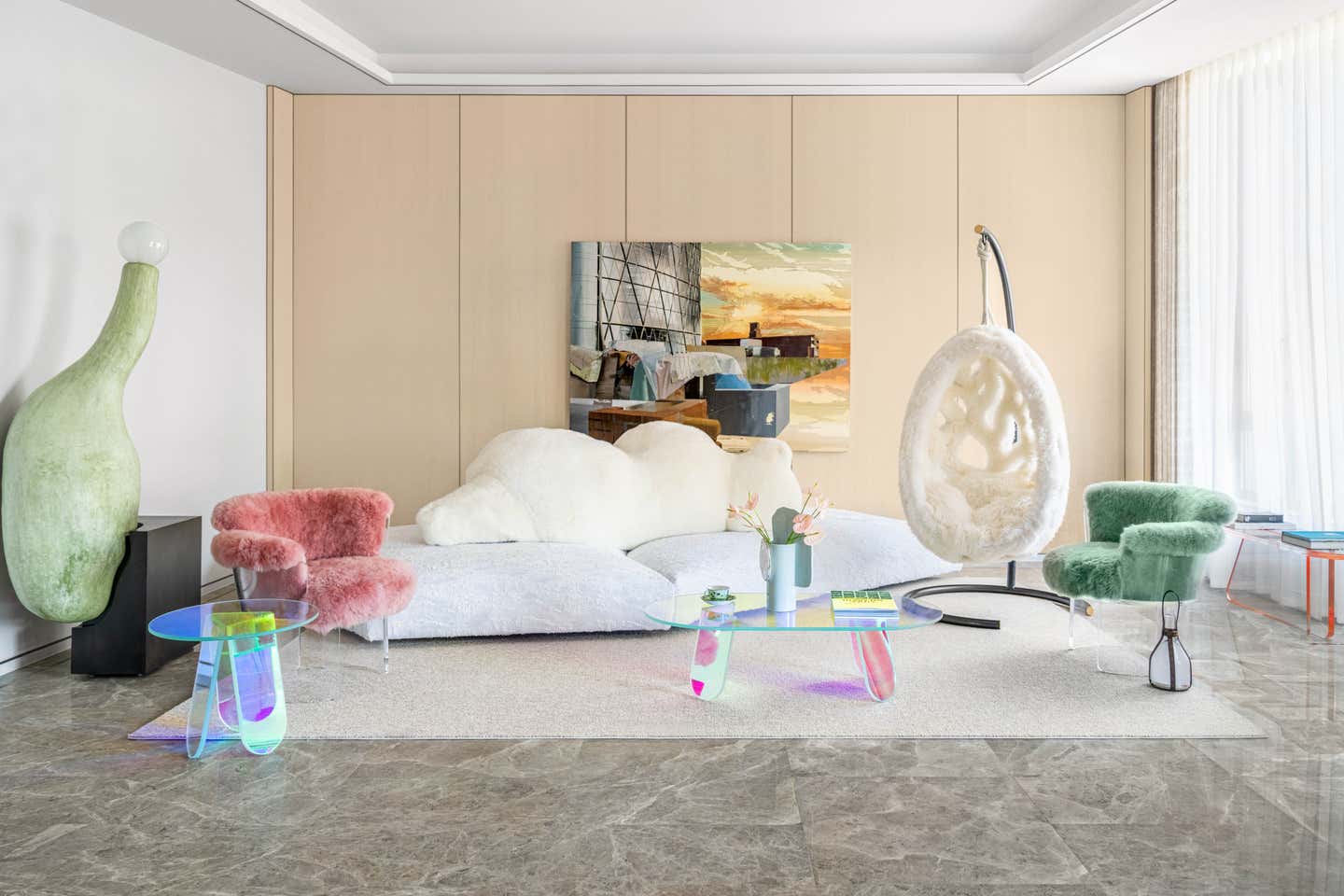
Neutral Interior Design That Pops neutral palettes offer a canvas of calm. Yet, when executed with flair, they transform into designs that command attention. By marrying understated hues with textural richness, compositional ingenuity, and unexpected accents, one achieves neutral design with impact. This guide unpacks a multitude of strategies—interspersing succinct bursts of insight with expansive explorations—to help you craft interiors that feel both serene and vivacious.
The Allure of a Neutral Foundation
Neutral schemes exude timelessness. They provide an adaptable backdrop that allows furnishings and accessories to shine.
Short sentence.
Longer sentence illustrating nuance: neutrals—ranging from alabaster whites and dove greys to taupe and greige—offer a balance between warmth and cool restraint, setting the stage for layers of texture and subtle pops of character.
- Versatility: Neutral walls adapt to seasonal updates effortlessly.
- Continuity: A cohesive base color spans multiple rooms, enhancing flow.
- Focus: When background hues recede, pivotal design elements take center stage.
Anchoring your project in neutral design with impact begins by selecting a tonal family that resonates with both the architectural bones and the desired mood of the space.
Layering Textures: From Subtlety to Statement
Texture is the secret language of depth. It animates neutral backdrops, fostering a multisensory experience.
- Bouclé and Mohair: Soft, nubby fabrics that lend tactile charm to upholstery and throw pillows.
- Natural Fibers: Jute rugs, sisal mats, and linen draperies infuse organic warmth.
- Metallic Sheen: Brushed brass light fixtures or silver-leaf accents catch the light without competing in color.
- Wood Grain Variations: From bleached oak planks to charred heartwood beams, each grain story contributes to the tapestry.
Short. Then longer: by interweaving smooth, rough, matte, and glossy finishes, you orchestrate a choreography of surface interplay, a crucial technique for neutral design with impact.
Strategic Accentuation: The Art of Punctuating Neutrals
Neutral palettes gain vitality through carefully deployed accent elements.
- Colorful Pillows and Throws
- A single emerald-green velvet cushion.
- A terracotta-hued knitted throw.
- A gradient ombré lumbar pillow.
- Artwork as Anchor
- Oversized abstract canvases with bold brushstrokes.
- Monochromatic photography in oversized frames.
- Sculptural wall hangings in mixed media.
- Statement Pieces
- A sculptural coffee table in marble or lucite.
- A hand-carved wooden console with tribal motifs.
- A cluster of pendant lights in varying forms.
Short sentence. Longer sentence: these interventions punctuate the neutrality, injecting personality and drama, thus crystallizing the essence of neutral design with impact.
Playing with Scale and Proportion
Scale manipulates perception. It can imbue a minimalist space with grandeur or intimacy.
- Oversized Mirrors: Reflect light and expand visual boundaries.
- Large-Format Tile or Wallpaper: Graphic patterns become more serene in an expansive scale.
- Miniature Collectibles: Tiny ceramic vessels arranged in groups of three create moments of curiosity.
By toggling between grand and diminutive, you introduce a dynamic tension that animates neutral design with impact, keeping the eye engaged.
The Power of Lighting: Layered Illumination
Light shapes mood and reveals texture. A multilayered lighting scheme is vital.
- Ambient Lighting: Recessed or flush-mounted fixtures deliver general, even glow.
- Task Lighting: Adjustable swing-arm lamps and under-cabinet LED strips focus illumination where needed.
- Accent Lighting: Wall washers on artwork, floor uplights highlighting architectural niches, or pendant clusters over tables.
Short. Then elaborate: integrating dimmers and warm LED temperatures ensures daylight fades don’t translate into plunged shadows, preserving the allure of neutral design with impact around the clock.
Harnessing Natural Materials
Materials carry authenticity. They connect interiors to broader environmental narratives.
- Reclaimed Wood
- Rustic beams overhead.
- Weathered-panel accent walls.
- Live-edge shelving.
- Stone and Concrete
- Honed marble countertops.
- Polished concrete floors with area-rug insets.
- Limestone fireplace surrounds.
- Organic Fabrics
- Hemp and organic-cotton upholstery.
- Silk-linen blends for draperies.
- Alpaca and goat-hair rugs.
Short. Longer sentence: these elemental choices ground the space and underscore the unspoken promise of neutral design with impact, wherein authenticity and luxury converge.
Furniture Selection: Balancing Form and Function
Furniture in neutral schemes must carry its weight in both presence and utility.
- Clean-Lined Sofas: Low-profile silhouettes with exposed legroom to reveal flooring treatments.
- Modular Sectionals: Flexible layouts adapt to entertaining or lounging.
- Multifunctional Pieces: Coffee tables with integrated storage or convertible console-to-desk units.
Short. Then longer: harmonizing proportion, material, and subtle detailing ensures each piece elevates neutral design with impact rather than fading into anonymity.
Accessorizing with Tact and Purpose
Accessories should feel curated, not cluttered.
- Odd-Numbered Groupings: Triptychs of vases or candlesticks create organic balance.
- Varying Heights: Layer height on coffee tables and consoles to draw the eye upward.
- Mirrored Trays: Reflective bases unify small items while enhancing light.
Short. Extended thought: each object carries narrative weight—an artisanal bowl passed down through generations, a rare design book, a hand-blown glass sculpture—collectively weaving the tapestry of neutral design with impact.
Introducing Subtle Pattern Drama
Patterns in neutral palettes must tread lightly yet leave an imprint.
- Tone-on-Tone Geometrics
- A trellis rug in cream and ecru.
- Embossed wallpaper with a fretwork motif.
- Abstract Brushwork
- A leatherette ottoman embossed with gestural lines.
- A woven throw with irregular block stripes.
- Organic Motifs
- Subtle botanical prints in muted charcoal and ivory.
- Hand-carved relief panels featuring leaflike forms.
Short line. Then longer: these restrained patterns lend movement and whisper complexity, integral to neutral design with impact.
Spatial Flow and Visual Continuity
Neutral designs excel when spaces feel interconnected, yet distinct.
- Sightline Alignment: Position furnishings so focal points align across doorways.
- Consistent Flooring: Using the same material throughout unifies disparate zones.
- Transitional Elements: Open shelving or glazed partitions delineate areas without severing visual ties.
Short. Then elaborate: this choreography of flow ensures that neutral design with impact reads as a cohesive narrative rather than a series of disjointed vignettes.
Incorporating Biophilic Accents
Greenery enlivens neutral schemes without disrupting the palette.
- Architectural Planters: Built‑in troughs lined with trailing ivy or ferns.
- Standalone Specimens: Monstera, fiddle‑leaf fig, or sansevieria in minimalist pots.
- Floral Installations: Seasonal blooms in sculptural vases for fleeting bursts of organic color.
By weaving plant life into architecture and furnishings, you anchor neutral design with impact in the rhythms of nature.
Case Study: A Serene Coastal Loft
Envision a 1,800-square-foot loft overlooking the sea. Walls are rendered in chalk-white Venetian plaster. Exposed steel beams are powder-coated in soft dove grey. Overhead, a series of frosted-glass orbs provide ambient glow. In the dining nook, a live-edge white oak table floats above a sisal rug inset beneath. Blackened-steel frame chairs with woven leather seats offer textural contrast. A built-in shelving wall showcases art books, coral sculptures, and a trio of ceramic vessels in cream and alabaster. Translucent roller shades diffuse sunlight, while an oversized mirror amplifies it. Potted palms in terracotta add biophilic warmth. A narrow console behind the sofa displays a single piece of abstract art in muted charcoal. Throughout, metallic accents in brushed nickel and pale brass punctuate cabinetry and light fixtures. This layout exemplifies neutral design with impact, where serenity and sophistication coalesce.
Practical Roadmap for Implementation
- Define Your Palette
- Select one neutral base and two complementary neutrals.
- Test large swatches in situ before committing.
- Curate Key Materials
- Source natural fibers, authentic wood, and artisanal finishes.
- Prioritize sensory depth over visual busyness.
- Plan Accent Strategy
- Choose one standout color or texture per zone.
- Integrate via pillows, art, or singular furniture.
- Execute Lighting in Layers
- Begin with ambient, add task, then accent.
- Integrate dimmers and select warm color temperatures.
- Edit and Refine
- Remove items that compete; retain those that breathe narrative.
- Rotate accessories seasonally to maintain freshness.
Short. Then elaborated: following this structured approach ensures that each enhancement compounds, nurturing a neutral design with impact that remains both harmonious and invigorating.
Maintenance and Evolution
A successfully curated neutral interior needs subtle upkeep.
- Regular Editing: Quarterly reviews to remove fatigued accents and introduce new textures.
- Deep Cleaning: Professional upholstery and rug care to preserve surface vibrancy.
- Light Reassessment: Replace bulbs and adjust fixture positions as daylight shifts through the year.
Short. Longer: these modest rituals guard against stagnation and ensure that neutral design with impact evolves gracefully over time.
Neutral interiors need not recede into the background. When underpinned by a strategic layering of texture, proportion, lighting, and selective accents, they become living statements—serene yet compelling. By embracing the methodologies outlined above, one can execute neutral design with impact that feels both timeless and invigorating. Let restraint and creativity entwine, and watch your space transform into a sanctuary of subtle drama and enduring elegance.


