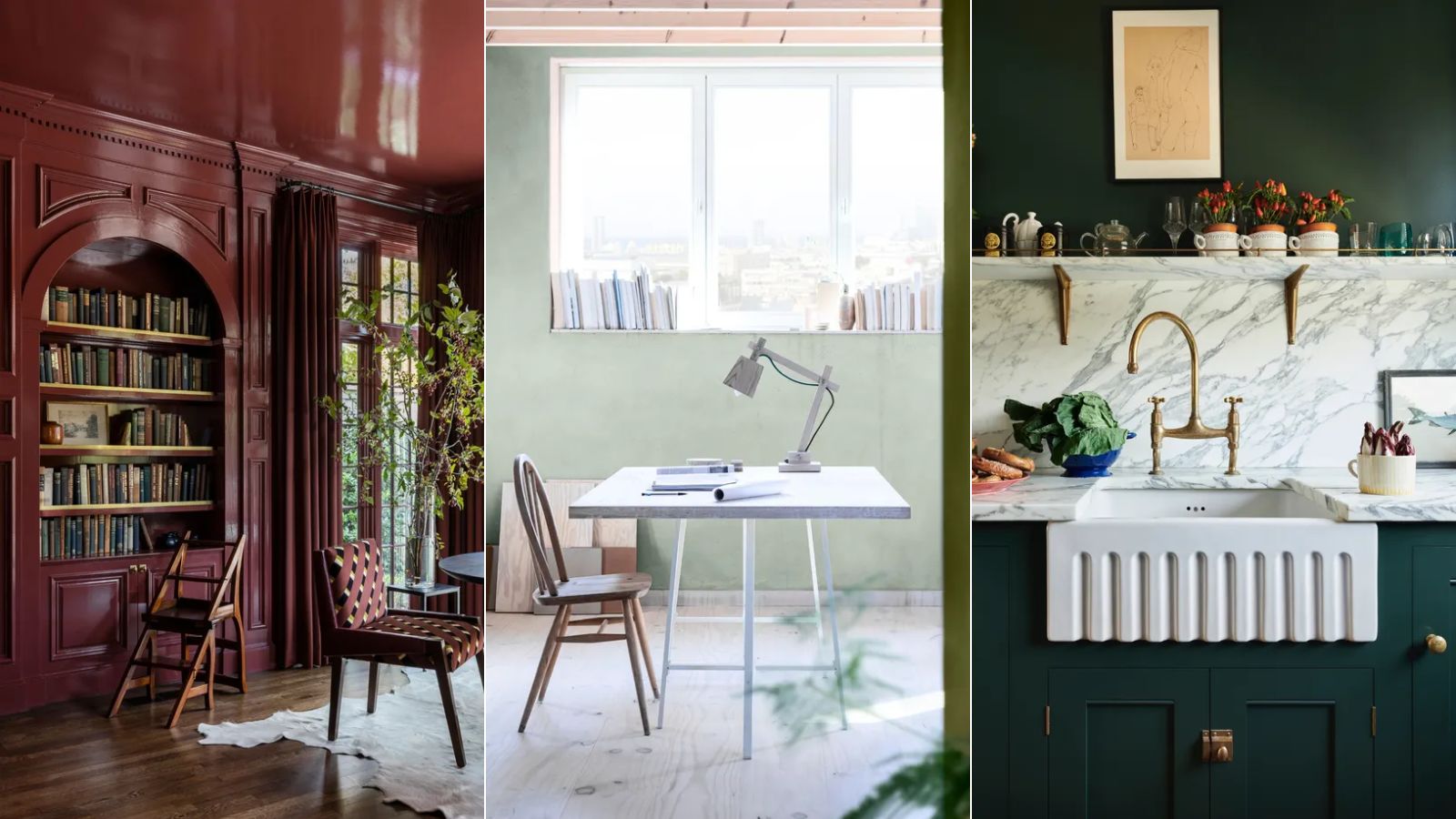
Color Trends That Mix and Match color is a dynamic language—one that speaks volumes without uttering a single word. In modern interior design, the excitement arises not from rigid rules but from playful experimentation. This year, daring decorators and style-savvy homeowners are embracing mix match color palettes, pairing hues that once seemed unlikely companions. The result? Spaces that feel layered, personal, and utterly invigorating.
Imagine a living room where apricot walls meet indigo upholstery, or a kitchen where pistachio cabinets contrast with terracotta island stools. These combinations spark conversation, evoke emotion, and transform everyday rooms into ever-evolving works of art. Ready to dive into the trend? Let’s explore how to mix, match, and master color for spaces that exude confidence and creativity.
:max_bytes(150000):strip_icc()/how-to-mix-and-match-throw-pillows-like-a-pro-1791497-01-16e60d2dd6e84a489f590d1534bab67a.jpg "Color Trends That Mix and Match")
Why Mixing and Matching Works
Long gone are the days of monochrome minimalism as the only path to chic. Today’s trendsetters know that strategic color clashes can yield harmony. Here’s why mix match color palettes resonate:
- Emotional Depth
Contrasting hues evoke complex moods, from playful excitement to contemplative tranquility. - Visual Interest
Unexpected pairings keep the eye moving, uncovering fresh details and surprising juxtapositions. - Personal Expression
Your palette becomes as unique as your fingerprint, reflecting tastes, memories, and aspirations. - Adaptive Style
Mixed colors adapt seasonally: swap accent pieces, not entire walls.
By blending warm and cool tones, saturated brights and soft neutrals, you create spaces that feel curated rather than calculated.
Foundational Principles for Mixing Colors
Before leaping into bold combinations, anchor your design with these guiding tenets:
- Start with One Dominant Hue
Choose a single color to anchor the room—walls, large furniture, or floor covering. - Select One or Two Accents
Support the primary hue with contrasting or complementary accents in smaller doses. - Include Neutrals as Buffers
Whites, grays, or tans soften transitions and prevent visual overload. - Repeat Each Color Thrice
Echo every chosen hue in at least three elements (pillows, art, décor) for cohesion. - Balance Saturation
Pair vibrant colors with muted versions or tints to maintain equilibrium.
Armed with these rules of thumb, you’re ready to explore imaginative mix match color palettes.
1. Apricot & Indigo: Sunny Meets Sophisticated
Apricot brings warmth and optimism; indigo adds depth and introspection. Together, they form a duo that feels both uplifting and profound.
How to Use
- Paint a single wall apricot behind an indigo velvet sofa.
- Accessorize with apricot throw pillows and indigo patterned rugs.
- Hang indigo-dominant artwork against lighter apricot backgrounds.
Styling Tip
Introduce brass or gold accents—lamps, picture frames, or side tables—for a touch of luxe that unites the two hues.
2. Pistachio & Terracotta: Freshness and Earth
Pistachio’s verdant cheer contrasts beautifully with terracotta’s earthen richness. This organic combination feels grounded yet breezy.
How to Use
- Install pistachio kitchen cabinets with a terracotta-tiled backsplash.
- Place terracotta planters against pistachio-painted walls.
- Use flax linen drapes to moderate the palette.
Styling Tip
Incorporate natural wood furniture—oak or walnut—to bridge green and rust tones seamlessly.
3. Blush Pink & Charcoal: Soft Meets Sharp
Blush pink exudes gentle romance; charcoal anchors it with modern edge. The result is a balanced interplay of tenderness and strength.
How to Use
- Upholster a charcoal sofa with blush throw blankets and cushions.
- Paint bedroom walls blush, then trim in charcoal for architectural interest.
- Display charcoal-framed mirrors or art on blush backgrounds.
Styling Tip
Add glass or mirrored surfaces to reflect light off blush areas, keeping charcoal from appearing too heavy.
4. Mustard & Teal: Retro Revival
Mustard yellow and teal green nod to vintage sensibilities while feeling thoroughly contemporary together.
How to Use
- A teal accent wall paired with mustard dining chairs energizes a breakfast nook.
- Combine mustard velvet cushions on a teal velvet armchair in a reading corner.
- Lay a mustard-and-teal geometric rug to tie the space.
Styling Tip
Choose mid-century modern furniture silhouettes to amplify the retro-modern vibe.
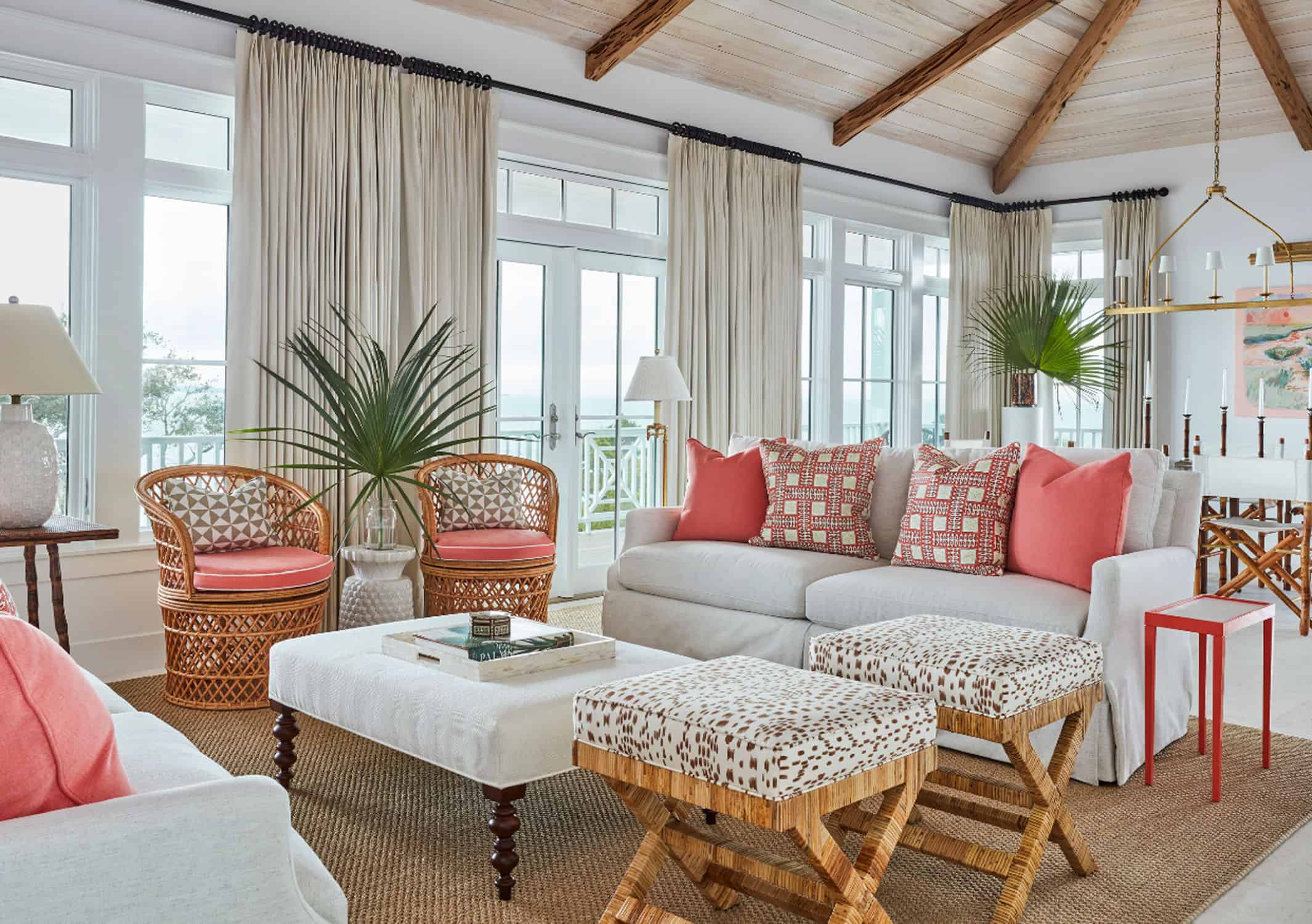
5. Coral & Navy: Bright and Grounded
Coral’s effervescent glow is tempered by navy’s grounding presence. This combo shines in both playful and formal settings.
How to Use
- Coral kitchen island with navy lower cabinets for a chic contrasting effect.
- Navy bedroom walls softened by coral bedding and accents.
- Coral-framed art on navy feature walls.
Styling Tip
Introduce crisp white in trim or bedding to create fresh relief between coral and navy.
6. Emerald & Rust: Opulent and Organic
Emerald green offers jewel-like opulence; rust introduces an earthy undercurrent. This pairing feels lavish yet approachable.
How to Use
- Emerald velvet curtains paired with rust-colored walls for dramatic flair.
- Rust-hued sofas adorned with emerald throw pillows.
- Terracotta pots dyed emerald in a gradient planter display.
Styling Tip
Accent with dark wood furniture—mahogany or ebony—to deepen the palette’s richness.
7. Lilac & Olive: Unexpected Harmony
Lilac’s dreamy softness finds surprising accord with olive’s muted earthiness. Together, they craft a tranquil, nuanced palette.
How to Use
- Olive-green kitchen island with lilac barstools.
- A lilac-upholstered headboard against olive-painted walls.
- Artwork blending lilac skies and olive landscapes.
Styling Tip
Use matte finishes for both hues to underscore their subtle sophistication.
8. Chartreuse & Slate Gray: Electric Neutrality
Chartreuse electrifies the eye; slate gray cools and steadies. This duo feels modern, lively, and eminently stylish.
How to Use
- Slate-gray walls accented by chartreuse shelves or floating ledges.
- Chartreuse office chair against a slate-gray desk.
- Pillows and small décor pieces in chartreuse on gray furniture.
Styling Tip
Layer in glass and chrome to reflect chartreuse light and maintain sleek minimalism.
9. Peach & Aubergine: Warm Romance
Peach’s warm blush and aubergine’s sumptuous depth form a captivating, romantic pairing.
How to Use
- Aubergine walls with peach drapery for a lush living room.
- Peach bedding on aubergine-painted headboard walls.
- Peach ceramics displayed against aubergine shelves.
Styling Tip
Highlight with antique brass fixtures to heighten the pairing’s romantic allure.
10. Lemon & Sky Blue: Bright Horizons
Lemon yellow and sky blue recall joyous summer skies, creating an airy, optimistic retreat.
How to Use
- Sky-blue bathroom tiles with lemon-yellow grout for playful detail.
- Lemon accent pillows on a sky-blue sofa.
- A two-tone wall painted half sky blue, half lemon for bold midday impact.
Styling Tip
Incorporate whitewashed wood and rattan for a breezy, coastal-inspired ambiance.
Layering Beyond Two Colors
While two-color combos make bold statements, consider triadic or tetradic blends for dynamic depth:
- Triadic Example: Blush pink, olive green, and charcoal
- Tetradic Example: Mustard, teal, blush, and slate gray
Use the same principles: one primary, two secondary, one neutral. Repeat each hue in multiple elements to avoid chaos.
Texture and Material Pairings
Texture is the silent partner to color. It transforms flat hues into immersive experiences:
- Velvet & Suede amplify jewel tones and moody hues.
- Linen & Cotton soften pastels and earthy greens.
- Polished Metal (brass, chrome) dramatizes brights and darks.
- Reclaimed Wood & Rattan emphasize organic terracotta and olive.
Light’s Role in Color Interplay
Test swatches under varied lighting:
- Natural Daylight reveals true undertones.
- Warm LEDs soften cool hues and enrich warm ones.
- Cool LEDs sharpen blues and grays.
- Dimmers allow mood shifts from vibrant to serene.
Room-by-Room Mix & Match Strategies
Living Room
Primary walls in a neutral (driftwood gray). Accent with mix match color palettes like coral & navy in furniture and pillows. Layer in blush & olive art pieces.
Kitchen
Island painted emerald. Cabinets in rust. Backsplash in slate gray tiles with chartreuse grout. Bar stools in mustard for triadic pop.
Bedroom
Walls in blush. Headboard in charcoal. Bedding in peach. Nightstands in aubergine with lemon accessories to energize.
Bathroom
Tile half-wall in sky blue. Grout in lemon. Vanity in moss green. Towels in terracotta & lilac for quaternary interplay.
Maintaining Cohesion
- Repetition: Echo each color three times or more.
- Anchors: Fix neutral or wood anchors to ground vibrancy.
- Transitions: Use soft furnishings to transition between bold zones.
- Breathing Space: Leave portions of white or neutral wall for rest.
Final Thoughts
The most compelling rooms embrace the art of mix match color palettes—they surprise, delight, and reflect your unique taste. By starting with a primary hue, layering complementary accents, and balancing with neutrals and textures, you can create interiors that defy convention and celebrate personal expression. Mix boldly, match thoughtfully, and transform every space into a vibrant testament to your creativity.