
Color Trends That Radiate Warmth in the realm of design, color is the unsung hero that shapes emotion, defines atmosphere, and transforms spaces into havens. Today’s palettes crave more than mere style—they seek to embrace the soul. Enter warmth filled color trends, a movement toward hues that cocoon, comfort, and celebrate life’s cozy moments. From sun-kissed terracottas to embered ambers, these shades invite us to linger, relax, and reconnect.
Welcome to an expansive guide exploring the latest warmth-centric chromatics, each selected to envelop interiors in an inviting glow. Prepare to discover nuanced undertones, unexpected pairings, and pro tips that will ignite your creativity and bathe your home in comforting light.
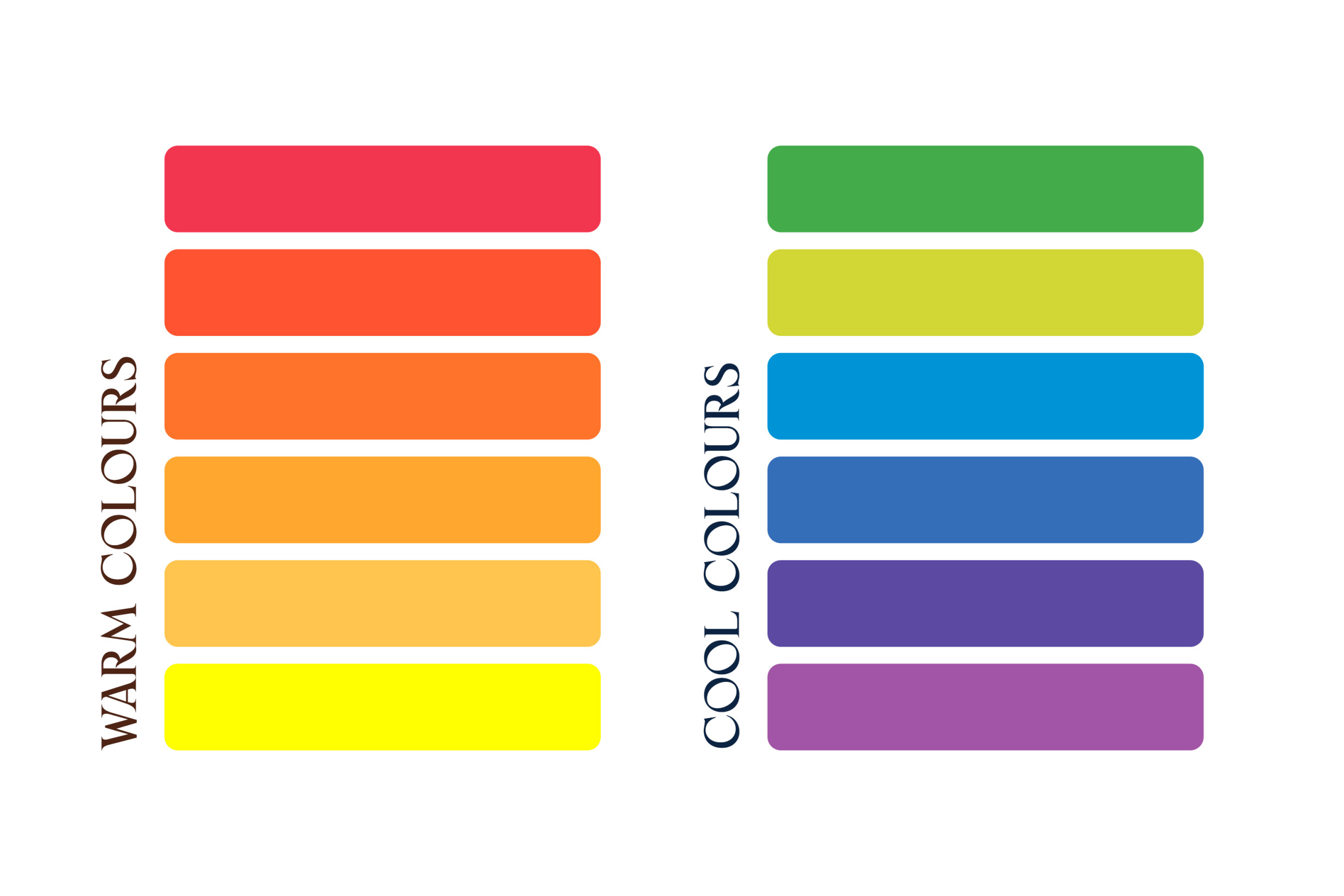
The Science of Warmth in Color
Short bursts of coolness can dazzle. But sustained warmth soothes the psyche. Our brains associate warm hues—reds, oranges, golds—with fire, sunlight, and security. These associations translate into interiors that feel:
- Welcoming: Guests feel instantly at ease.
- Intimate: Spaces shrink in a positive way, encouraging conversation.
- Energizing: Warm light sparks creativity without overstimulation.
Understanding the emotional impact of a warmth filled color trend is the first step toward designing spaces that truly nurture.
1. Terracotta Revival: Earth’s Embrace
Long celebrated in Mediterranean architecture, terracotta is experiencing a renaissance. It’s no longer reserved for pots and rooftops—it’s seeping into walls, floors, and textiles.
Key Qualities
- Richness: Balances red and orange for depth.
- Versatility: Works in modern lofts and rustic cottages alike.
- Authenticity: Evokes hand-crafted ceramics and earthen floors.
Implementation Ideas
- Accent Walls: A terracotta backdrop behind a cream sofa transforms a living room into a Mediterranean retreat.
- Floor Tiles: Polished terracotta pavers in entryways impart instant warmth.
- Textiles: Throw pillows, rugs, and ottomans in varying terracotta hues layer depth.
Pro Tip
Pair terracotta with verdant greens or deep navies to prevent monotony and highlight its earthen vibrancy.
2. Embered Ambers: Glow of Golden Hour
Amber sits at the intersection of yellow and orange—a luminous bridge between cheer and comfort. Imagine capturing the day’s last sunlight in paint form.
Key Qualities
- Luminosity: Reflects light softly, brightening dim corners.
- Optimism: Evokes dawn and dusk’s hopeful glow.
- Warmth: Radiates friendliness without aggression.
Implementation Ideas
- Kitchen Cabinetry: Matte amber doors enliven contemporary kitchens.
- Pendant Lights: Amber glass fixtures cast a honeyed glow over dining tables.
- Artwork: Abstract canvases with streaks of amber add visual warmth.
Pro Tip
Use amber as an accent rather than the main hue to avoid overwhelming saturation.
3. Clay Blush: Subtle Sunset
A delicate cousin of terracotta, clay blush marries dusty rose with earthy undertones. It’s the color of baked clay kissed by the sun’s passing light.
Key Qualities
- Softness: Less intense than coral, more nuanced than pink.
- Romance: Introduces subtle femininity without cliché.
- Modernity: Pairs exceptionally with minimalistic décor.
Implementation Ideas
- Bedroom Walls: A clay blush headboard wall fosters a serene, romantic retreat.
- Furniture Upholstery: Blush-toned armchairs or velvet benches anchor contemporary living rooms.
- Bathroom Tiles: Matte clay blush tiles contrast beautifully with white marbles.
Pro Tip
Balance with cool grays or muted taupes to keep the palette sophisticated.
4. Smoky Saffron: Spiced Elegance
Saffron, the world’s most precious spice, inspires a yellow infused with brown undertones. Smoky saffron feels exotic, warm, and unmistakably elegant.
Key Qualities
- Exoticism: Conjures faraway markets and spice caravans.
- Depth: Brown undertones mute brightness for maturity.
- Versatility: Complements wood, leather, and brass.
Implementation Ideas
- Feature Fabrics: Saffron velvet curtains or cushions enliven neutral rooms.
- Accent Furniture: A smoky saffron sideboard brings unexpected vitality.
- Decorative Objects: Ceramics or textiles in saffron accentuate minimalist spaces.
Pro Tip
Combine smoky saffron with deep charcoals and rich browns for a luxurious, layered look.
5. Walnut Woodgrain: Nature’s Warm Accent
While technically a material, walnut’s deep brown with reddish flecks functions as a color trend in its own right. Its warmth rivals any paint.
Key Qualities
- Organic Texture: Grain patterns add visual interest.
- Rich Depth: Brown-red tones anchor airy spaces.
- Timelessness: Works across eras, from mid-century to modern.
Implementation Ideas
- Built-Ins and Cabinetry: Walnut-paneled kitchens or libraries feel grounded and grand.
- Furniture Statements: A solid walnut dining table becomes the room’s warm heart.
- Trim and Molding: Walnut baseboards and door frames add unexpected richness.
Pro Tip
Pair walnut tones with off-whites and muted gold accents to maintain brightness.
6. Burnished Copper: Metallic Warmth
Beyond brass or chrome, copper brings an aged warmth. Its burnished surface adds patina and glow.
Key Qualities
- Reflectivity: Catches candlelight and ambient lighting elegantly.
- Patina Potential: Develops character over time.
- Trend Versatility: Complements industrial lofts and rustic cabins alike.
Implementation Ideas
- Lighting Fixtures: Copper pendants and sconces create an inviting glow.
- Hardware: Cabinet pulls and faucets in copper deliver subtle luxe.
- Accent Decor: Bowls, frames, and sculptures in copper add points of warmth.
Pro Tip
Protect copper finishes in high-moisture areas to prevent unwanted verdigris.
7. Autumnal Ochre: Golden Roots
Ochre, an ancient pigment, offers golden-brown warmth that’s less aggressive than orange yet more alive than beige.
Key Qualities
- Heritage: Used in historic frescoes and pottery.
- Subdued Radiance: Warmth without neon intensity.
- Natural Resonance: Evokes dry grasses and clay soils.
Implementation Ideas
- Rugs & Textiles: Ochre-patterned kilims or throws anchor neutral rooms.
- Statement Walls: An ochre accent wall energizes living spaces without overstimulating.
- Planters & Pots: Terracotta-like ochre vessels enhance greenery.
Pro Tip
Layer ochre with burnt sienna or rust for a multi-dimensional terracotta palette.
8. Warm Gray Gradations: Mushroom to Graphite
Gray need not be chilly. Warm grays—tinted with brown or taupe—offer neutrality with a cozy twist.
Key Qualities
- Versatility: Serves as a foundation for any accent color.
- Soft Ambiance: Diffuses light for a mellow mood.
- Modern Sophistication: Bridges minimalism with warmth.
Implementation Ideas
- Entire Rooms: Paint trim, walls, and ceilings in varying warm gray shades for a tonal cocoon.
- Textured Finishes: Limewash or plaster in warm gray adds artisanal charm.
- Soft Furnishings: Warm gray linens and velvets create a subdued, tactile environment.
Pro Tip
Introduce a single black or white accent piece to prevent the warm gray from feeling monotonous.
9. Blazing Berry: Raspberry and Cranberry
Reds can comfort as much as energize. Berry-toned hues—less intense than primary red—offer depth with playful vibrancy.
Key Qualities
- Emotional Energy: Stimulating without aggression.
- Rich Undertones: Veers toward purple or brown for maturity.
- Seasonal Flexibility: Works in both summer’s brightness and winter’s hearth.
Implementation Ideas
- Cushion Collections: Raspberry and cranberry cushions enliven neutral sofas.
- Gallery Walls: Berry-hued frames or small canvases add pops of color.
- Dining Accents: Cranberry tableware or placemats brighten mealtimes.
Pro Tip
Contrast with pale blues or soft greens for a complementary vibrancy.
10. Sunset Gradient Walls: Ombre Warmth
For the adventurous, gradient walls mimic the sky’s transition from gold to pink to purple at dusk.
Key Qualities
- Visual Drama: Transitions draw the eye and spark conversation.
- Multidimensional Warmth: Layers multiple warm tones seamlessly.
- Artistic Statement: Functions as living artwork.
Implementation Ideas
- Accent Walls: A sunrise or sunset gradient behind the bed creates an enveloping focal point.
- Ceilings: Ombre from ceiling to wall gives an uplifting, expansive effect.
- Custom Murals: Commission local artists for unique, hand-painted gradients.
Pro Tip
Keep furniture minimal around gradient walls to allow the chromatic art to shine.
Harmonizing Warmth-Centric Palettes
Selecting a warmth filled color trend is only the beginning. Harmonizing multiple warm hues requires:
- Balancing Intensity: Pair a saturated tone (e.g., ember amber) with a muted counterpart (e.g., warm stone).
- Incorporating Neutrals: Use off-white, warm gray, or sandy beige to ground vibrant accents.
- Layering Textures: Velvet, wool, rattan, and matte ceramics enrich color with tactile dimension.
- Accent Placement: Introduce bolder hues in small doses—pillows, lamps, or artwork—to test comfort level.
- Lighting Considerations: Warm bulbs (2700K–3000K) amplify warmth; dimmers allow mood shifts.
Final Reflections
When color radiates warmth, it does more than decorate—it nurtures. These warmth filled color trends invite us to craft environments that heal, inspire, and comfort. From ancient ochres to contemporary embered ambers, the key lies in thoughtful selection, skillful layering, and joyful experimentation.
Let your home become a canvas for warmth. Embrace these trends, mix fearlessly, and watch as everyday spaces transform into hearthside havens bathed in color’s gentle glow.

