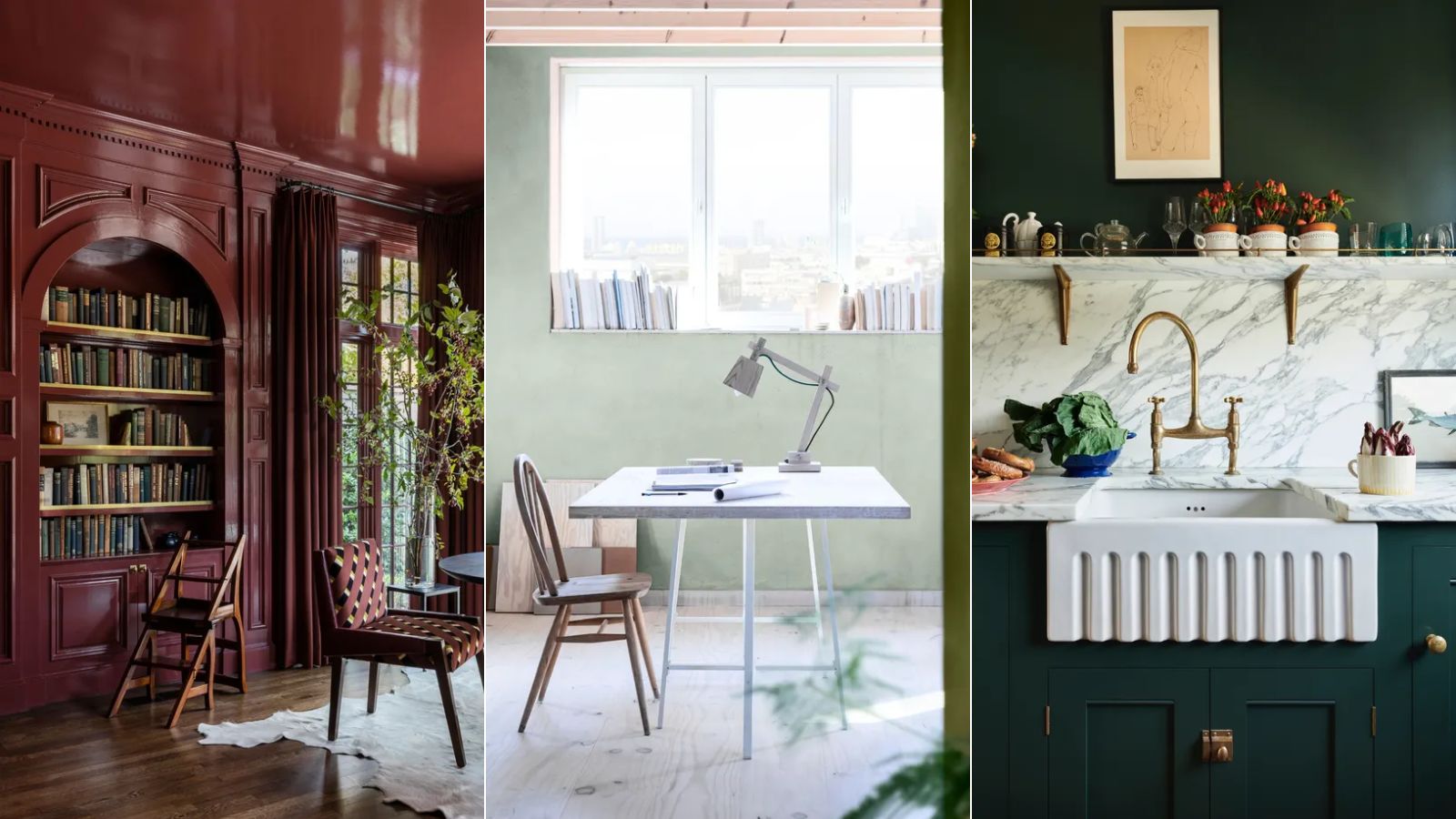
Eco-Friendly Furniture Ideas That Wow in an era where environmental consciousness shapes every facet of our lives, the allure of sustainable interior design has never been stronger. Elevate your home with thoughtful choices that marry elegance, functionality, and planetary mindfulness. Dive into a world of eco friendly furniture options that not only trim your carbon footprint but also transform living spaces into showcases of conscientious craftsmanship.

The Imperative of Sustainability in Design
Global resource depletion, climate concerns, and waste proliferation have thrust eco-consciousness into the design spotlight. Selecting furniture crafted from renewable or recycled materials underscores a commitment to preserving ecosystems. Beyond the moral impetus, these pieces often boast unique textures and narratives—each imperfection a testament to responsible sourcing.
Core Principles of Green Furniture
When vetting potential acquisitions, keep these tenets in mind:
- Renewable Materials: Prioritize fast-growing or abundant resources like bamboo and cork.
- Reclaimed and Recycled Content: Seek pieces fashioned from salvaged timber, repurposed metal, or upcycled textiles.
- Non-Toxic Finishes: Opt for water-based stains, natural oils, and low-VOC lacquers to maintain healthy indoor air quality.
- Local Craftsmanship: Reducing transport emissions by sourcing regionally crafted items strengthens communities and minimizes logistics.
Embracing these pillars ensures your selections represent authentic eco friendly furniture options.
Bamboo: The Rapid-Growth Wonder
Why Bamboo?
Bamboo regenerates at an astonishing pace—up to three feet per day in some climates—making it a paragon of renewability. Its tensile strength rivals steel, allowing for durable yet lightweight constructions.
Iconic Bamboo Creations
- Woven Bamboo Chairs: Crafted with hand-braided seats that flex for ergonomic comfort.
- Structural Bamboo Shelving: Slim poles and cross-braces create airy, sculptural bookcases.
- Bamboo Panel Tables: Laminated slats form resilient, water-resistant surfaces perfect for indoors or screened porches.
Reclaimed Wood: History Reborn
The Allure of Patina
Salvaged timber exudes warmth through weathered grain patterns, nail holes, and gentle discolorations. Each board embodies a storied past—from barn beams to shipping crates—infusing interiors with heritage.
Signature Pieces
- Barn Beam Coffee Tables: Supported on minimalist steel legs, marrying rustic patina with modern geometry.
- Reclaimed Plank Headboards: Floor-to-ceiling panels that serve as tactile backdrops for bedrooms.
- Chevron-Parquet Consoles: Intricately patterned veneers breathe new life into discarded flooring.
By integrating reclaimed wood, you champion waste diversion and celebrate craftsmanship.
Cork: Harvested Without Harm
Eco Credentials of Cork
Cork is harvested from the bark of living cork oak trees every nine years without felling. Its natural buoyancy and fire-resistant properties make it an ideal sustainable resource.
Chic Cork Innovations
- Cork-Topped Side Tables: Floating silhouettes with compressed cork surfaces, tactile to the touch.
- Wall-Mounted Cork Panels: Functional art that also controls acoustics in living rooms or offices.
- Cork Lounge Poufs: Flexible seating that molds to the sitter’s form.
Cork’s insulative qualities translate to quieter, cozier interiors.
Upcycled Metal and Industrial Chic
Salvaging Steel and Iron
Demolished factories and decommissioned machinery offer robust metals that, when repurposed, evoke an industrial aesthetic with sustainable credentials.
Standout Items
- Rivet-Bolted Steel Tables: Hospital-grade metal reborn as sculptural dining surfaces.
- Forklift Chain Benchings: Dynamic seating created from reclaimed chains and hardwood slats.
- Pipe and Flange Shelving: Modular brackets and reclaimed boards form customizable storage.
Integrate these pieces for a boldly utilitarian twist on green design.
Eco Textiles: From Waste to Wonder
Recycled and Organic Fabrics
Transition from synthetic polyester to fabrics spun from recycled plastic bottles or natural fibers grown without pesticides, such as organic cotton and hemp.
Upholstery and Soft Furnishings
- PET-Fiber Upholstered Sofas: Luxuriously soft seating crafted from ocean-bound plastic.
- Hemp Canvas Daybeds: Breathable, antimicrobial lounge options that age gracefully.
- Wool-Blend Area Rugs: Hand-tufted carpets made from sheep graze on regenerative pastures.
Textiles are pivotal for comfort and ethos; choose wisely to balance plushness with provenance.
Modular and Multifunctional Green Designs
Maximizing Versatility
In tight urban dwellings or expansive eco-retreats, furniture that adapts to multiple roles reduces consumption and fosters longevity.
- Expandable Dining Tables with FSC-Certified Wood: Surfaces that accommodate gatherings of varying sizes.
- Convertible Sofa-Beds in Organic Linen: Seamless transitions between living and sleeping spaces.
- Nesting Tables with Reclaimed Tops: Stackable configurations for instant surface expansion.
Such dynamic pieces epitomize sustainable efficiency.
Case Study: A Sustainable Living Room Overhaul
Imagine a 500-square-foot loft repurposed with eco-conscious flair:
- Statement Bamboo Dividers carve out zones without erecting permanent walls.
- Reclaimed Oak Platform Bed with storage drawers curtails clutter.
- Cork Tile Accent Wall doubles as both art installation and cork board for notes.
- Upcycled Metal Coffee Table anchors the seating group with industrial panache.
- Hemp and Recycled-PET Sectional Sofa offers plush seating and environmental peace of mind.
This curated ensemble demonstrates how diverse eco friendly furniture options coalesce into cohesive, sustainable sanctuaries.
Styling Tips for Eco-Conscious Spaces
- Mix Textures: Combine smooth bamboo, rough-hewn reclaimed wood, and soft organic textiles for visual richness.
- Neutral Foundations: Ground rooms in earthy tones—sand, clay, moss—to complement natural materials.
- Strategic Greenery: Incorporate living plants in biodegradable pots to amplify biophilic connections.
- Layer Lighting: Use LED fixtures with reclaimed-metal bases and linen shades for ambient warmth.
- Personal Artifacts: Display artisanal ceramics and reclaimed decorative objects to celebrate artisanship.
A thoughtful styling approach highlights each piece’s ecological and aesthetic virtues.
Certifications and Labels to Seek
To verify authenticity, look for:
- FSC (Forest Stewardship Council): Ensures responsible forest management.
- GOTS (Global Organic Textile Standard): Guarantees organic fiber integrity and fair labor.
- Cradle to Cradle: Validates materials’ recyclability and circular economy principles.
These endorsements guide confident selection of bona fide eco friendly furniture options.
DIY and Upcycling Inspiration
For the hands-on enthusiast, repurposing preloved items can yield bespoke treasures:
- Pallet Coffee Table: Disassemble shipping pallets, sand the planks, and mount them on repurposed hairpin legs.
- Leather Scrap Shelf Inlays: Glue leather remnants to reclaimed shelves for tactile contrast.
- Vintage Chair Reupholstery: Replace worn seats with organic hemp fabric and non-toxic foam.
DIY initiatives minimize waste and infuse interiors with personal narratives.
Overcoming Common Challenges
- Budget Constraints: Prioritize investment in long-lived pieces; snatch up sales on certified goods.
- Availability: Explore local woodworkers, co-ops, and online marketplaces specializing in sustainable wares.
- Aesthetic Cohesion: Start with a mood board of natural palettes and textures to streamline diverse acquisitions.
These strategies smooth the path toward eco-savvy living.
Future of Sustainable Furniture
Innovation persists. Anticipate mind-bending advances like:
- Mycelium-Based Composites: Furniture grown from fungal root structures—biodegradable and regenerative.
- Smart Recycling Tech: Automated dismantling systems to reclaim components for endless material loops.
- Regenerative Design Models: Products that actively improve surrounding ecosystems during their lifecycle.
The horizon of eco friendly furniture options promises ever-greater harmony between human habitats and the natural world.
Practical Implementation Checklist
- Audit Existing Inventory: Identify pieces to upcycle, donate, or recycle.
- Define Your Green Goals: Set targets for % renewable materials or local sourcing.
- Research Suppliers: Compile certified vendors and artisans.
- Budget and Timeline: Allocate funds and schedule deliveries to minimize overlap.
- Styling and Installation: Use modular layouts to test arrangements before final placement.
- Maintenance Plan: Clean with natural products and tighten hardware regularly to extend lifespan.
This pragmatic roadmap ensures an efficient, sustainable makeover.
Elevating interiors with eco friendly furniture options is more than a trend—it’s a transformative lifestyle choice. By integrating bamboo’s resilience, reclaimed wood’s storied charm, cork’s renewable grace, and upcycled metal’s raw allure, you craft spaces that resonate with purpose. Combine modular flexibility, DIY creativity, and certified sourcing to curate environments that reflect ecological mindfulness and enduring elegance.