
Eco-Friendly Interior Design Tips creating a home that nurtures both its inhabitants and the planet requires thoughtful choices. By integrating eco friendly design ideas into every layer of interiors—materials, layouts, lighting, and furnishings—you craft spaces that are beautiful, healthy, and sustainable. This comprehensive guide offers actionable strategies, innovative approaches, and uncommon terminology to inspire your next green renovation. Short sentences punctuate. Longer explorations clarify nuance.
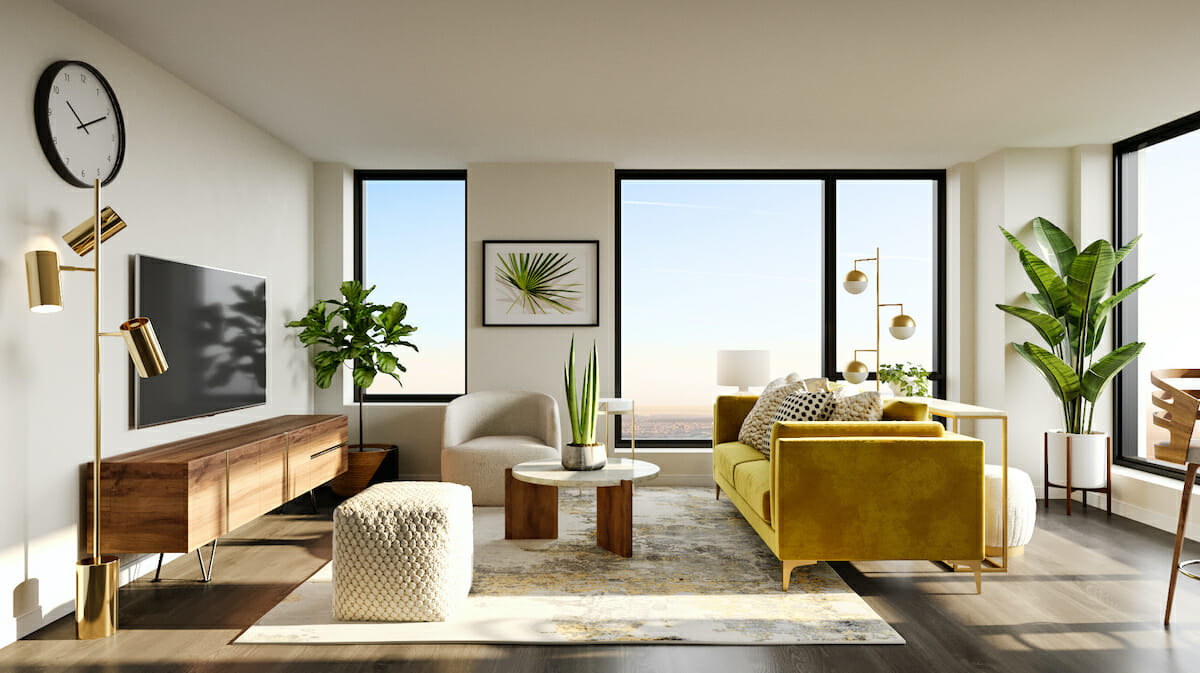
1. Prioritize Sustainable Materials
Choosing low-impact materials is paramount.
- Reclaimed Wood: Salvaged lumber from barns or deconstructed buildings carries history and character.
- Bamboo Products: Rapidly renewable, bamboo flooring, blinds, and cabinetry deliver durability and a clean aesthetic.
- Cork Flooring: Harvested without killing trees, cork offers natural insulation, cushioning, and acoustic dampening.
- Low‑VOC Paints and Finishes: Volatile organic compound–free products improve indoor air quality and reduce off‑gassing.
Short. Then long: by specifying eco friendly design ideas like FSC‑certified woods and recycled-content composites, you ensure every surface aligns with environmental stewardship.
2. Embrace Passive Design Principles
Passive strategies harness natural forces to regulate comfort.
- Orientation and Daylighting
- Position windows to maximize winter sun penetration and minimize summer overheating.
- Use light shelves and clerestories to bounce sunlight deep into rooms without glare.
- Thermal Mass
- Incorporate stone or concrete floors that absorb daytime heat and release it at night.
- Pair with insulating window treatments for temperature moderation.
- Natural Ventilation
- Install operable transom windows high on walls to expel hot air and invite breezes.
- Utilize cross‑ventilation by aligning openings on opposite facades.
Short. Expanded: integrating these eco friendly design ideas reduces reliance on mechanical HVAC systems, lowering energy consumption and utility bills.
3. Reuse, Repurpose, and Upcycle
Breathing new life into existing elements curtails waste.
- Refurbished Furniture: Sand, stain, or reupholster vintage chairs and credenzas for fresh yet timeless pieces.
- Mosaic from Salvaged Tiles: Broken ceramic fragments coalesce into unique backsplashes or tabletop décors.
- Glass Jar Sconces: Repurpose mason jars into pendant lights with low‑energy LED bulbs.
- Industrial Pipe Shelves: Recycled metal piping and reclaimed planks form sturdy, utilitarian storage.
Short. Then long: these upcycling tactics illustrate eco friendly design ideas that marry creativity with conservation, yielding one‑of‑a‑kind accents.
4. Opt for Energy‑Efficient Lighting
Lighting design dramatically impacts energy consumption.
- LED and OLED Fixtures
- Consume up to 80% less electricity than incandescent bulbs.
- Offer long lifespans and a spectrum of color temperatures.
- Daylight‑Responsive Controls
- Photocell sensors dim artificial light when ample daylight is present.
- Occupancy sensors switch off unneeded lighting automatically.
- Skylights and Solar Tubes
- Channel natural light into interior corridors and bathrooms.
- Reduce daytime lighting loads while enhancing well‑being through circadian alignment.
Short. Expanded: integrating these eco friendly design ideas fosters luminous spaces that minimize electricity use and boast healthier light spectrums.
5. Choose Eco‑Conscious Textiles
Fabric selections influence both human health and ecological footprint.
- Organic Cotton and Hemp: Cultivated without pesticides, these fibers cut water usage and chemical runoff.
- Recycled Polyester: Derived from post‑consumer plastics, it repurposes waste into durable upholstery and rugs.
- Wool and Jute: Naturally renewable and biodegradable, they deliver warmth and textural richness.
Short. Then long: layering these eco‑textiles in upholstery, drapery, and area rugs embodies eco friendly design ideas that wrap interiors in sustainable comfort.
6. Water Conservation Fixtures
Bathrooms and kitchens present prime opportunities for water savings.
- Low‑Flow Faucets and Showerheads: Aerating nozzles reduce flow to 1.5 gallons per minute without sacrificing pressure.
- Dual‑Flush Toilets: Offer options for liquid and solid waste, cutting per‑flush volume by up to 68%.
- Greywater Systems: Recycle sink and shower runoff for toilet flushing or landscape irrigation.
Short. Expanded: incorporating these systems aligns interiors with eco friendly design ideas that protect precious freshwater resources.
7. Integrate Indoor Greenery
Plants enhance air quality and biophilic connection.
- Air‑Purifying Species
- Spider plants, peace lilies, and snake plants remove formaldehyde and benzene.
- Living Walls and Moss Panels
- Vertical gardens act as humidity regulators and natural sound absorbers.
- Preserved moss requires no irrigation or soil.
- Herb and Microgreen Stations
- Indoor planters supply fresh, hyper‑local ingredients while narrowing food miles.
Short. Then long: strategic plantings exemplify eco friendly design ideas that foster well‑being and biodiversity indoors.
8. Employ Smart Home Technologies
Automation optimizes energy use and user comfort.
- Programmable Thermostats: Learn occupancy patterns and adjust temperatures for peak efficiency.
- Smart Plugs and Energy Monitors: Track device consumption and eliminate phantom loads.
- Automated Shading Systems: Elevate or lower window treatments in response to sun position, reducing cooling and lighting demands.
Short. Expanded: these high‑tech interventions bring eco friendly design ideas into the digital age, syncing sustainability with convenience.
9. Specify Low‑Impact Floor Coverings
Flooring choices carry environmental and health implications.
- Linoleum: Made from linseed oil, cork dust, and wood flour, it’s biodegradable and antimicrobial.
- Recycled Rubber Tiles: Durable, slip‑resistant, and derived from post‑consumer tires.
- Reclaimed Hardwood: Reduces deforestation and preserves the character of seasoned timber.
Short. Then long: by opting for these materials, you embrace eco friendly design ideas that ground spaces in resilience and reduced environmental burden.
10. Foster Circularity in Furnishings
Design for disassembly and reuse extends product life.
- Modular Furniture: Components can be replaced or upgraded rather than discarding entire pieces.
- Bolt‑Together Carpentry: Facilitates easy teardown and relocation without adhesives.
- Take‑Back Programs: Partner with manufacturers offering trade‑in or recycling of end‑of‑life items.
Short. Expanded: championing circularity embodies eco friendly design ideas that close resource loops and minimize landfill contributions.
11. Embrace Natural Finishes and Oils
Surface treatments contribute to indoor health and durability.
- Beeswax and Tung Oil: Non‑toxic sealers for wood that penetrate fibers and resist moisture.
- Clay and Lime Washes: Mineral‑based wall coatings that breathe and self‑sanitize through alkalinity.
- Reactive Metal Finishes: Patinaed copper or brass that evolves without chemical lacquers.
Short. Then long: these finishes showcase eco friendly design ideas that nurture surfaces with natural chemistry rather than synthetic coatings.
12. Design for Longevity and Adaptability
Durable interiors ward off rapid obsolescence.
- Timeless Aesthetics: Favor neutral backdrops and classic forms to avoid style fads.
- Flexible Layouts: Use freestanding partitions and adaptable furniture to reconfigure spaces over time.
- Repairable Components: Choose products with replaceable parts—hinges, cushions, finishes—to extend lifespan.
Short. Expanded: these strategies reinforce eco friendly design ideas by ensuring that your design investments endure both physically and stylistically.
13. Source Local and Artisanal Elements
Proximity reduces embodied carbon in transportation.
- Regional Stone and Tile: Quarry or manufacture within 200 miles to cut shipping emissions.
- Local Craftspeople: Commission bespoke cabinetry, textiles, or lighting from nearby artisans.
- Community Salvage Yards: Tap into deconstructed materials for unique architectural accents.
Short. Then long: local sourcing grounds your design in place while championing eco friendly design ideas that support regional economies.
14. Minimize Waste During Renovation
Construction debris represents a significant environmental burden.
- Deconstruction Over Demolition
- Salvage studs, trim, and fixtures for reuse.
- On‑Site Sorting
- Separate wood, metal, drywall, and masonry to maximize recycling rates.
- Prefabricated Assemblies
- Factory‑built wall panels and modules reduce onsite waste and errors.
Short. Then expanded: rigorous waste management protocols exemplify eco friendly design ideas that conserve landfill space and recover resources.
15. Incorporate Waterwise Landscaping
Extend sustainability outdoors for holistic design.
- Xeriscaping: Drought‑tolerant plant palettes minimize irrigation needs.
- Rain Gardens and Bioswales: Capture runoff to recharge groundwater and filter pollutants.
- Permeable Paving: Gravel or porous concrete allows infiltration, reducing stormwater surges.
Short. Then long: integrating landscape strategies with interior design amplifies eco friendly design ideas across the building envelope.
Embracing eco friendly design ideas transforms homes into regenerative habitats that nurture both occupants and the planet. From sustainable materials and passive climate strategies to upcycling, smart technologies, and circularity, each tip offers a pathway to greener living. Begin by auditing existing conditions, then phase in improvements—whether switching to low‑VOC paints or installing programmable shades. Layer these strategies for cumulative impact: a reclaimed wood floor warmed by natural oils, draped in organic linens, lit by daylight‑responsive LEDs, and buoyed by living walls. The result: interiors that exemplify harmony, resilience, and conscientious beauty for generations to come.

