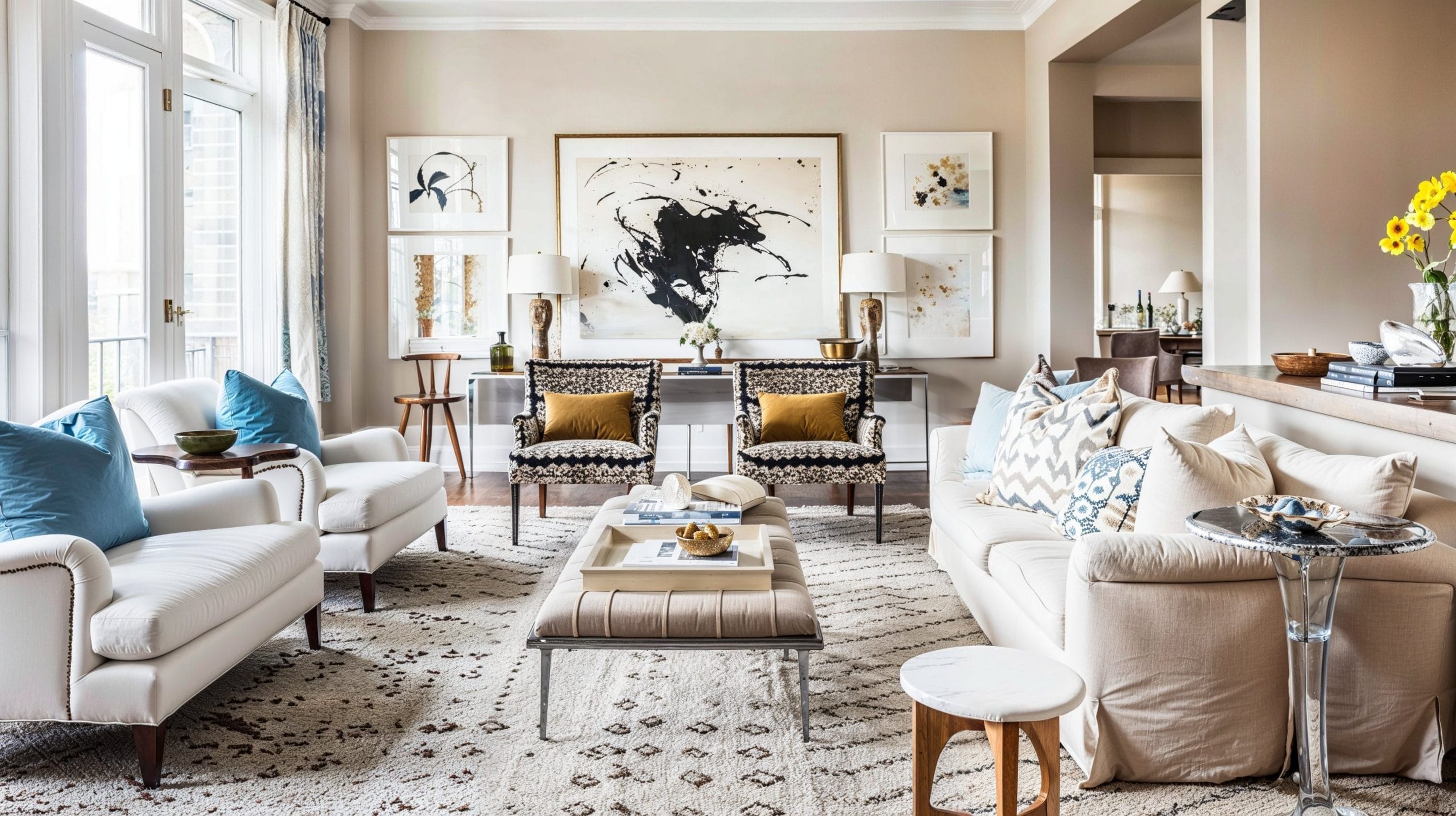
Functional Interior Design That Flows creating a home that functions intuitively and feels harmonious requires more than selecting pretty furniture. It demands strategic planning, thoughtful layering, and an understanding of movement dynamics within every space. By embracing functional flowing room design, you’ll cultivate interiors that not only look cohesive but operate seamlessly—from morning routines through evening wind‑downs.

Understanding Flow: Beyond Aesthetics
Flow is the invisible current that guides movement through a home. It’s how you navigate from bedroom to bathroom without bumping into obstacles. It’s how a living room invites conversation and a dining area beckons for shared meals. In functional flowing room design, aesthetic choices serve purpose. Beauty emerges from utility, and form follows function.
Short sentence.
Longer sentence: when every object has intent—be it a strategically placed console table for dropping keys or a floating shelf for showcasing essentials—spaces breathe and life within them feels effortless.
Holistic Spatial Planning
Before selecting materials or paint colors, map out your home’s natural pathways.
- Traffic Zones: Identify primary and secondary circulation routes.
- Sightlines: Ensure clear visual corridors between major focal points—like the front door, kitchen island, and fireplace.
- Activity Clusters: Group related functions—such as cooking, dining, and lounging—within proximate zones to minimize redundant travel.
By weaving movement patterns into the foundational layout, you embed functional flowing room design at the core of your project.
Crafting Minimalist Circulation Corridors
Hallways and transitional spaces often become clutter magnets. Refine them into purposeful passageways.
- Slimline Storage: Shallow cabinets or credenzas create landing spots for mail and accessories without encroaching on width.
- Vertical Surfaces: Wall-mounted hooks or pegboards keep everyday essentials within arm’s reach.
- Visual Guides: Runner rugs or floor patterns subtly direct gait from one zone to the next.
Short. Then a longer elaboration: by paring back superfluous elements and accentuating directional cues, corridors evolve from overlooked spaces into integral arteries of functional flowing room design.
Multi‑Functional Furnishings
When floorplan square footage is finite, furniture must multitask.
- Convertible Coffee Tables
- Lift‑and‑serve mechanisms unveil hidden storage or dining surfaces.
- When lowered, they recede, maintaining open sightlines.
- Modular Sectionals
- Reconfigure components to adapt from intimate seating to an expansive lounge.
- Swap modules between rooms to refresh layouts.
- Nesting and Stackable Pieces
- Side tables nest under consoles when not in use.
- Chairs stack or fold for impromptu gatherings.
These adaptable pieces epitomize functional flowing room design, maximizing utility without sacrificing style.
Zoning with Seamless Transitions
Open‑plan living is a hallmark of contemporary interiors. Yet, delineating distinct areas within a shared space prevents chaos.
- Area Rugs: Define conversation clusters or dining alcoves through layered carpets.
- Lighting Variations: Pendant clusters above the table contrast with recessed downlights over the seating.
- Low‑Profile Partitions: Glass screens or open shelving allow demarcation while preserving visual flow.
Short. Expanded: by weaving subtle divisions rather than erecting full walls, you maintain the airy expansiveness of modern interiors while honoring functional flowing room design.
Visual Continuity Through Materials
Consistency in material choices unifies disparate zones and fosters an unbroken sensory journey.
- Flooring
- Use consistent hardwood or tile throughout—or select complementary planks of the same hue but varying width to signal transitions.
- Surface Finishes
- Carry a signature countertop material from kitchen to bar area and even to bathroom vanity.
- Hardware and Fixtures
- Repeat metal tones—brushed brass, matte black, or polished nickel—to create a rhythmic punctuation.
These strategies cultivate a design narrative, ensuring each space feels tethered to the next in true functional flowing room design fashion.
Cohesive Color Story
A curated palette that travels with you from room to room enhances spatial unity.
- Base Neutrals: Soft greige, dove gray, or warm ivory anchor the home with calm.
- Accent Palette: Introduce two or three complementary hues—think muted terracotta, smoky teal, or leaf‑green—to repeat through upholstery, art, and accessories.
- Pop of Contrast: A single statement wall or a bold furniture piece adds punctuation without fracturing the flow.
Short. Longer: when chromatic choices echo across adjacent areas, the eye glides effortlessly, reinforcing functional flowing room design through color harmony.
Textural Gradients and Tactile Layers
Texture adds depth and richness, guiding tactile exploration and visual interest.
- Area‑Rug Layering: A low‑pile foundation topped with a plusher rug creates a scalp‑to‑sole gradient.
- Textile Repetition: Bouclé cushions in the living room find a nod in boucle‑trimmed duvet covers in the bedroom.
- Surface Interplay: Matte plaster walls paired with glossy cabinetry engage the touch and reflect light in dynamic ways.
Short. Expanded: these tactile permutations invite occupants to connect with surfaces, weaving functional flowing room design into both sight and touch.
Lighting for Movement and Mood
Light is both guide and ambiance creator. A layered scheme choreographs utility and emotion.
- Ambient Lighting
- Recessed LEDs or pendant clusters deliver overall illumination.
- Task Lighting
- Under‑cabinet strips in kitchens and wall‑mount lamps by reading nooks ensure practical brightness.
- Accent Lighting
- Spotlights on artwork or architectural features draw the eye, subtly directing circulation paths.
Short. Then longer: dimmers and smart controls empower customization, allowing you to adapt glow levels to activity, time of day, or desired ambiance—vital in functional flowing room design.
Biophilic Pathways: Nature’s Guidance
Incorporating greenery along traffic flows nourishes both body and mind.
- Planter Ledges: Long, narrow shelves of succulents or trailing vines line passageways, softening hard edges.
- Vertical Gardens: Living walls elevate corridors into dynamic biophilic experiences.
- Potted Anchors: Tall indoor trees mark transitional thresholds, gently redirecting routes.
Short. Expanded: these organic interventions foster a sense of wellness and intuition, as humans instinctively follow and pause among natural elements, a cornerstone of functional flowing room design.
Technology Integration for Invisible Efficiency
Smart home systems streamline operations without bumping into human pathways.
- Voice‑Activated Lighting: Eliminate switches along corridors to preserve sleek walls.
- Concealed Charging Stations: Built‑in USB outlets within furniture avoid cable clutter.
- Automated Window Treatments: Timed shades respond to daylight, optimizing comfort and privacy.
Short. Then long: by embedding technology discreetly, you enhance operational flow—residents interact via voice or a single app, keeping surfaces pristine and movement unimpeded.
Case Study: A Harmonious Urban Loft
Imagine a 1,200‑square‑foot loft converted into a fluid living space. Overhead, a row of recessed lights transitions into a dramatic pendant cluster above the wood‑topped dining table. Floating shelves cradle both books and potted ferns, guiding the eye toward the kitchen. Here, a waterfall‑edge countertop extends from prep area to breakfast bar, its vein pattern echoing the hardwood. Custom cabinetry features push‑to‑open doors—no handles to obstruct flow. A wall of windows is dressed in motorized sheer panels, which retreat with one touch. Even the hallway to the bedrooms hosts low shelving and art lighting, turning the passage into a gallery crawl. This scenario exemplifies functional flowing room design, where every decision—from material continuity to multifunctional furniture—serves the grand choreography of motion and purpose.
Practical Steps for Implementation
- Conduct a Flow Audit
- Walk through each room with intention.
- Note pinch points, blind corners, and stop‑and‑start routes.
- Map Out Zones
- Sketch major activity clusters.
- Ensure related functions are adjacent.
- Optimize Circulation
- Remove or relocate obstructive items.
- Introduce directional cues—rugs, lighting, and plants.
- Select Adaptive Pieces
- Prioritize furniture that can shift roles.
- Incorporate built‑ins where space is tight.
- Maintain Visual Cohesion
- Reinforce color, material, and finish choices across rooms.
- Edit accessories to avoid visual clutter.
Short. Longer: following this roadmap embeds functional flowing room design principles into your process, yielding a home that feels logical, aesthetic, and alive.
Maintenance and Evolution
Design that flows must adapt as needs change.
- Quarterly Reassessment: Review circulation patterns each season.
- Modular Adjustments: Reconfigure furniture modules for new purposes or social scenarios.
- Accessory Rotation: Swap art, textiles, and greenery to respond to daylight changes and evolving tastes.
Short. Expanded: continual refinement ensures your home remains responsive—mirroring life’s rhythms and sustaining the ethos of functional flowing room design.
A home designed for true flow marries function and fluidity. It guides you effortless from morning coffee in the kitchen, through afternoon work in a sunlit nook, to evening gatherings in a welcoming lounge. By prioritizing spatial planning, multifunctional furnishings, cohesive materials, and discreet technology, you achieve functional flowing room design that resonates on every level. Begin today: map your movements, streamline your zones, and cultivate a home where beauty and purpose dance in harmonious tandem.
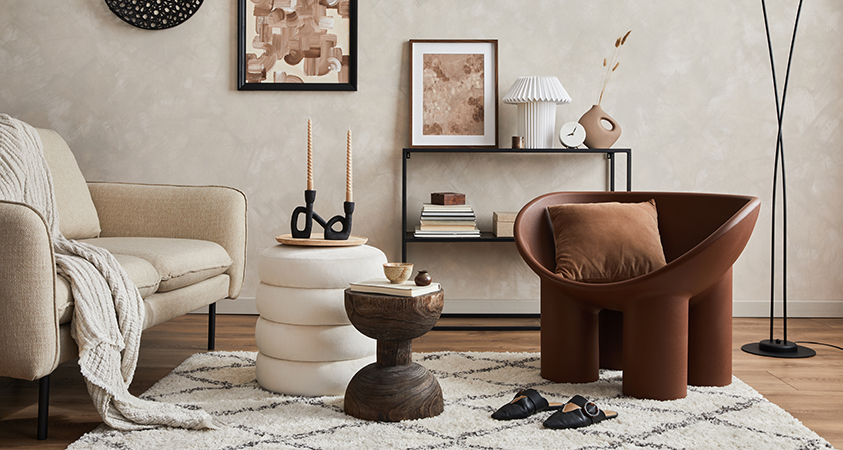
:strip_icc()/Traditional-living-room-7006130_BetterHomesGardens_DorrHouse_669_6Olg6SWd4wRBFo3yR2aI-R-1987d48e554145d4860f7299c6e9b97d.jpg "Interior Design That Mixes Eras")