
Global Interior Design for Warm Vibes in a world interlaced by diverse cultures and climates, interiors that evoke comfort and conviviality draw inspiration from every corner of the globe. Global warm vibe design is about synthesizing textures, hues, and artifacts from myriad traditions to cultivate spaces suffused with hospitality and heart.
Short. Then long. This aesthetic beckons inhabitants and guests alike to linger, to share, and to revel in a layered tapestry of worldly influences.
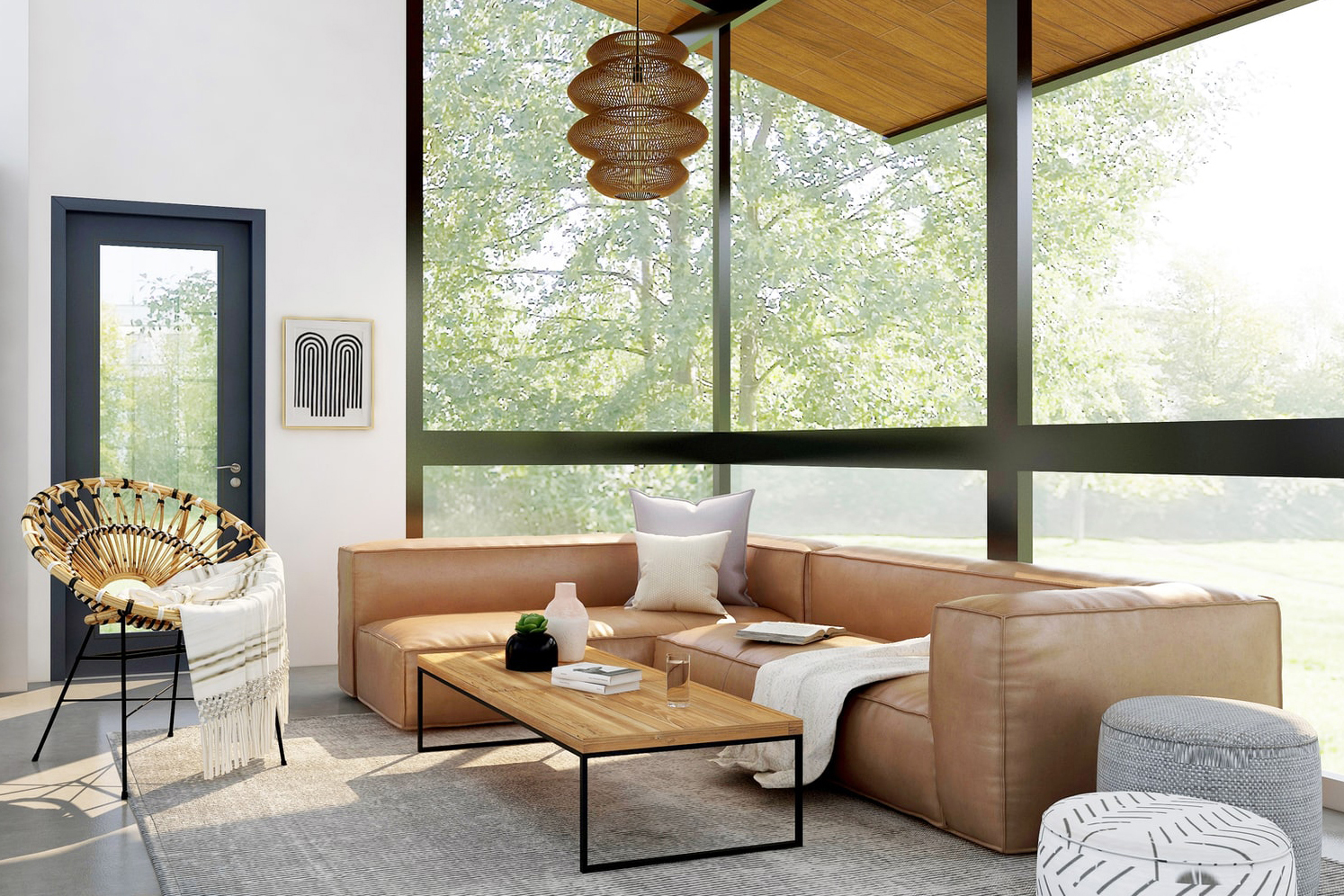
1. The Philosophy of Warmth Without Borders
Chromatic Embrace: Earthy terracottas, sunlit ochres, and deep saffrons evoke warmth across hemispheres.
Textural Palimpsest: Layered textiles—from handwoven kilims to silk ikat—convey tactile depth and provenance.
Artisanal Reverence: Handmade ceramics, carved woods, and hammered metals celebrate human touch and imperfection.
Ambient Rituals: Lighting follows the day’s arc—lantern-lit corners at dusk, woven pendants by midday, and flickering candles at night.
Together, these elements coalesce into a global visual lexicon that feels cohesive, not chaotic.
2. Core Principles of Global Warm Vibe Design
- Curated Eclecticism
Avoid haphazard clutter. Every object must earn its place—whether by narrative, function, or formal resonance. - Balanced Juxtaposition
Marry rustic and refined: a polished marble table beside an aged wood bench. - Unified Color Narrative
Select a 3–4 hue palette drawn from natural dyes: madder red, turmeric yellow, indigo blue, and olive green. - Scale Harmony
Mix monumental artifacts—e.g., an oversized Moroccan drum lamp—with intimate objets d’art like Japanese tea bowls. - Sensory Layering
Incorporate scent (incense, beeswax candles), sound (ceramic water bowls), and tactility (suede cushions, jute rugs). - Rhythmic Repetition
Echo a motif—geometric kilim patterns or hand‑carved fretwork—across textiles, wall art, and ceramics to tie the scheme together.
3. Regional Inspirations
3.1. North African Soul
Material Palette: Tadelakt plaster walls, terracotta floor tiles, hammered brass lanterns.
Textiles: Berber rugs in black-and-white lozenges; woolen cushions dyed with cochineal.
Accents: Painted cedar-wood ceilings, patterned-zellige mosaic tables.
A low divan draped in mudcloth invites repose beside a mosaic-topped coffee table. The scent of amber resin incense drifts through archways.
3.2. Middle Eastern Opulence
Material Palette: Polished marble, mother-of-pearl inlay, filigree metal screens.
Textiles: Silk damask curtains, suzani-embroidered throws, velvet floor pillows.
Accents: Mashrabiya window panels, lacquered chests, alabaster lamps.
A marble fountain niche with running water murmurs in a tiled alcove, surrounded by plush banquettes and shimmering brass trays.
3.3. Sub-Saharan Warmth
Material Palette: Burnt clay pots, woven raffia baskets, dark-stained hardwood.
Textiles: Adire indigo cloth, kente‑inspired silk, hand-loomed mudcloth.
Accents: Wooden masks, beaded stools, ochre-painted ceramics.
A wide, low table set with carved gourds and calabash bowls becomes a communal hearth for storytelling and music.
3.4. South American Vitality
Material Palette: Polished terrazzo, leather-wrapped furniture edges, jagged riverstones.
Textiles: Peruvian alpaca throws, Guatemalan ikat cushions, Brazilian straw mats.
Accents: Folk-painted chests, macramé wall hangings, calico tapestries.
A sunlit veranda lined with woven hammocks and potted orchids captures the exuberance of the tropics.
3.5. South Asian Rhapsody
Material Palette: Inlaid marble, rosewood, antique copper.
Textiles: Block‑printed cottons, embroidered chintz, hand-painted silks.
Accents: Jali‑carved screens, terracotta deity statuettes, lanterns with colored glass.
A low platform bed draped in kantha quilts sits beneath a carved lotus canopy, bathed in dusk’s rosy glow.
3.6. Mediterranean Breezes
Material Palette: Whitewashed plaster, bleached oak beams, terracotta vessels.
Textiles: Hand-spun linen, olive‑dyed throws, fisher‑net curtains.
Accents: Blue-and-white ceramic motifs, amphorae, wrought-iron light fixtures.
A courtyard with arched colonnades, tiled fountains, and poufs upholstered in gilded ikat fosters endless conversation.
3.7. East Asian Zen
Material Palette: Bamboo lattices, tatami mats, lacquered panels.
Textiles: Raw hemp, silk shibori, sumi‑ink‑patterned cushions.
Accents: Bonsai displays, raku ceramics, paper lanterns.
A minimalist tokonoma alcove displays a single ikebana arrangement beside a stone water basin, offering contemplative calm.
4. Harmonizing the Global Tapestry
| Element | North Africa | Middle East | Sub‑Saharan | South America | South Asia | Mediterranean | East Asia |
|---|---|---|---|---|---|---|---|
| Walls | Tadelakt | Marble tile | Mud plaster | Terrazzo | Inlay | Whitewashed | Rice-paper |
| Floors | Zellige tile | Mosaic | Woven mats | Riverstone | Stone | Terra-cotta | Tatami |
| Textiles | Berber rug | Silk velvet | Indigo cloth | Alpaca wool | Chintz | Linen | Hemp |
| Lighting | Lanterns | Filigree | Clay torches | Macramé lamp | Copper lamps | Iron sconces | Paper lantern |
| Accents | Brass trays | Alabaster | Beaded stools | Macramé | Lotus statuettes | Amphorae | Bonsai |
Short. Then a long sentence: By interweaving these materials and motifs, one crafts an environment that reads not as disjointed but as a cohesive anthology of global artistry.
5. Color Palette and Natural Dyes
Madder Red: Warmth with earthy depth.
Turmeric Yellow: Sunlit brilliance.
Indigo Blue: Depth and serenity.
Olive Green: Subtle vegetal calm.
Ochre Sand: A grounding neutral.
Use these in 60% background, 30% furniture/flooring, and 10% accent ratios to maintain balance.
6. Furniture and Layout Strategies
- Low-Seating Congregation
Floor cushions, poufs, and low settees encourage intimate gatherings. - Modular Zones
Use rugs, shelving, and screens to subdivide open plans into salon‑style alcoves. - Vertical Layers
Combine floating shelves, hanging planters, and wall‑mounted textiles to draw the eye upward. - Circulation Flow
Leave breathing corridors (80–90 cm) between seating and walls to ensure ease of movement. - Functional Focus
Integrate seating around a central hearth, fountain, or communal table to reinforce conviviality.
7. Lighting for Ambiance
Natural Luminance: Skylights, clerestories, and expansive glazing invite daylight.
Task Layers: Table lanterns, reading lamps, and under-shelf LEDs support activities.
Accent Pockets: Wall sconces, recessed floor uplights, and votive candles create pools of glow.
Color Tuning: Warm‑white (2,700 K) for evening; neutral‑white (3,500 K) for general use; cool‑white (5,000 K) for task zones.
A Moroccan star‑cut lantern casts arabesque shadows, while Himalayan salt lamps suffuse corners with roseate warmth.
8. Textural Layering and Weaves
- Woven Rugs: Hand-knotted kilims, soumak weaves, dhurries.
- Throws & Pillows: Silk ikat, chunky wool bouclé, block‑printed cotton.
- Wall Hangings: Macramé, tapestry, bamboo‑slat panels.
- Window Coverings: Rice-paper screens, linen drapes, woven reed blinds.
Each layer adds tactility, absorbing sound and imparting visual porosity to the scheme.
9. Accessorizing with Narrative
Ceramic Assemblages: Cluster pots from Turkey, Japan, and Mexico on a pedestal table.
Textile Troves: Stack folded Afghan kilims beside a console.
Botanical Companions: Succulents in West African terracotta planters; orchids in Japanese kenzan holders.
Artisanal Objects: Bronze Ganesha figurine, Maasai beadwork boxes, Greek amphora replicas.
Short. Then long. Each artifact offers a conversation starter, an entry point into cultural tales.
10. Room-by-Room Implementation
10.1. Living Room
- Anchor: A carved wood fireplace surround from Rajasthan.
- Seating: Low African laundry baskets repurposed as poufs; a scalloped Indonesian teak sofa.
- Rug: Moroccan Beni Ourain under a Peruvian alpaca throw.
- Lighting: Turkish mosaic lamp hung center‑stage; Japanese rice‑paper floor lanterns in corners.
10.2. Kitchen
- Counters: Whitewashed concrete with hand‑inlaid Delft‑style tile accents.
- Cabinets: Rattan-fronted doors with bronze ring handles.
- Open Shelving: Display Turkish-blue ceramics and Japanese lacquer trays.
- Phase Lighting: Under-counter LED strips; rope‑wrapped pendant fixtures.
10.3. Dining Room
- Table: Live‑edge acacia slab on steel hairpin legs.
- Chairs: Spanish‑sling leather; woven Venezuelan cane.
- Centerpiece: Terracotta urn of dried lavender and palm fronds.
- Accents: Portuguese azulejo‑patterned placemats; hand‑blown Mexican glassware.
10.4. Bedroom
- Bedframe: Balinese teak with carved floral motifs.
- Headboard: Patchwork of Indian kantha textiles.
- Bedding: Egyptian‑cotton sheets; Turkish silk scarf as bed runner.
- Lighting: Moroccan brass wall sconces; Himalayan salt bedside lamp.
10.5. Bathroom
- Walls: Venetian plaster in a warm ochre.
- Floor: Pebble‑set mosaic reminiscent of riverbeds.
- Fixtures: Copper vessel sink; blackened‑steel faucet.
- Accents: Hand‑woven Turkish hammam towels; a Raku ceramic soap dish.
10.6. Workspace
- Desk: Mid‑century teak with carved Balinese legs.
- Chair: Japanese tansu stool with reupholstered seat.
- Shelving: Industrial steel brackets with reclaimed-wood shelves.
- Accents: African bone-inlay boxes; Himalayan singing bowl for mindful breaks.
11. Common Pitfalls and Remedies
- Overwhelm by Excess
More is not always merrier.
Remedy: Apply a “one-in, one-out” rule for artifacts. - Color Collision
Clashing dyes can jar the eye.
Remedy: Anchor with a neutral bleed—white plaster or sand-hued rugs. - Scale Mismatch
Tiny tchotchkes dwarfed by grand furnishings.
Remedy: Group small items on trays or shadow boxes for collective impact. - Cultural Appropriation
Tokens without context feel hollow.
Remedy: Learn the story behind each piece; credit artisans and origins.
12. Sustainability and Ethical Sourcing
Artisan Partnerships: Commission cooperatives in Morocco, India, and Peru.
Upcycling: Refinish salvaged doors as headboards; convert wine barrels into side tables.
Natural Dyes & Fibers: GOTS‑certified textiles; low‑VOC wax finishes.
Local Craft Fairs: Source regionally when possible to reduce carbon footprint.
13. Maintaining the Global Warmth
Seasonal Rotations: Swap lighter linens for heavier weaves in winter.
Patina Preservation: Refresh wax on wood; reapply beeswax polish on metals.
Artifact Curation: Rotate display pieces to keep narratives vibrant.
Textile Care: Gentle hand‑wash or dry‑clean according to artisanal guidelines.
Short. Then long: By respecting the rhythms of both objects and seasons, interiors remain alive, evolving, and ever-inviting.
14. Uncommon Terminology to Enrich Discourse
Chiarotactile Palette: A combination of light‑and‑shadow interplay with rich tactile surfaces.
Nomadic Stratigraphy: Layering of cultural artifacts as if in an archeological dig across travel histories.
Thermotextile Aura: The comforting sense of warmth conveyed through textiles influenced by sun‑drenched climates.
Synaesthetic Curation: Designing spaces that evoke multiple senses—sight, touch, scent—simultaneously.
Vestigial Ornamentation: Retaining fragments of original architectural or artisanal details as historical touchpoints.
15. Final Reflections
Global warm vibe design transcends superficial trend‑spotting. It is a deliberate confluence of materials, hues, and narratives—an ongoing dialogue between cultures and climates. When executed with discernment and respect, it yields interiors that feel both expansively worldly and intimately inviting. A place where each corner whispers of distant lands, yet the overall embrace remains unforgettably warm.

