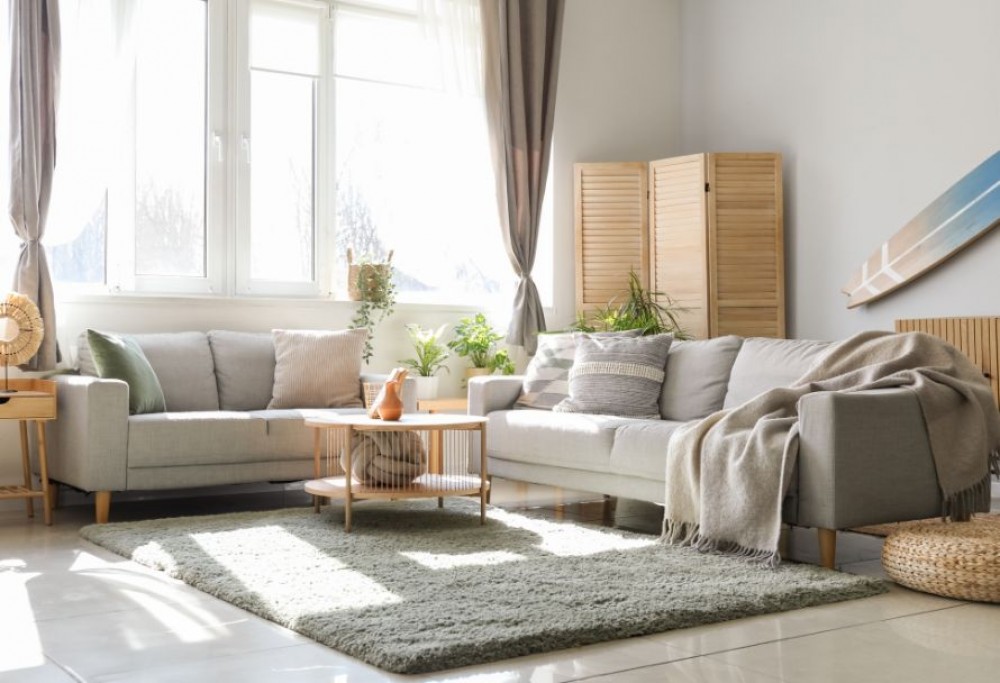
Home Decor Hacks for Small Spaces decorating a small home doesn’t mean compromising on style, personality, or comfort. In fact, some of the most inventive interiors emerge from constraints in space. With the right techniques and imaginative thinking, even the tiniest of apartments or compact rooms can feel expansive, elegant, and entirely yours. Welcome to the world of small space decor hacks—clever tips that combine function with finesse.
Every inch counts when space is limited, and it’s not just about making things fit. It’s about making them shine. Here’s how to master the micro while delivering major style.
:max_bytes(150000):strip_icc()/small-space-decorating-2016-2427001_richm15439-1-fef4e0e1e89f4322adac1c84e8b72cfb.jpg "Home Decor Hacks for Small Spaces")
1. Embrace Vertical Storage
When floor space is at a premium, walls become your best allies. Install floating shelves above eye level, use tall bookcases that reach the ceiling, or mount cabinets to keep essentials accessible but out of the way.
Think ladders, pegboards, or even ceiling-hung pot racks. This not only saves space—it draws the eye upward, giving the illusion of height.
2. Use Multifunctional Furniture
Sofa beds, ottomans with hidden storage, foldable desks, or nesting tables—these pieces are the unsung heroes of small space decor hacks. They transform effortlessly as your needs change throughout the day.
Look for pieces that serve at least two purposes and, ideally, offer some storage component to reduce clutter.
3. Maximize Corners
Corners are often forgotten but hold untapped potential. Add a corner desk, a wraparound bench, or corner shelves. These tailored pieces create intimate nooks that make rooms feel complete.
Even triangular floating shelves can host books, plants, or personal items without taking up valuable center space.
4. Opt for Light, Reflective Colors
Bright hues like soft whites, dusty pinks, pale blues, and buttery yellows expand perception. Glossy finishes and light-reflective materials like mirrors and glass bounce light around, opening up the room.
Mirrored backsplashes, high-gloss paint, or acrylic furniture can work wonders in compact spaces.
5. Install Pocket or Sliding Doors
Traditional swinging doors eat up precious real estate. Replace them with pocket doors or barn-style sliders to free up wall and floor space.
This simple architectural change makes a world of difference, especially in tight bathrooms or closets.
6. Anchor Rooms with a Statement Rug
Large rugs define a space and make it feel intentional. Choose one that extends under furniture to visually enlarge the room.
Avoid tiny rugs that chop up the floor visually. A bold rug grounds your layout while offering a canvas for accent colors.
7. Use Transparent Furniture
Lucite chairs, glass coffee tables, and clear console tables maintain functionality without visually cluttering the room. Their see-through nature gives the illusion of openness.
It’s one of the sleekest small space decor hacks, blending practicality with minimalist charm.
8. Incorporate Wall-Mounted Lighting
Skip floor and table lamps when space is tight. Wall-mounted sconces, clip-on lights, or swing-arm lamps free up surfaces and add layered lighting.
Install them beside beds, desks, or reading chairs for a functional yet design-forward glow.
9. Choose Foldable or Stackable Pieces
Fold-out dining tables, stackable chairs, and collapsible stools can be tucked away when not in use.
Look for stylish options that don’t look purely utilitarian—bamboo, chrome, or colorful powder-coated metal pieces can add a fun twist.
10. Float Your Nightstands
Free up floor space by attaching nightstands to the wall. A simple drawer or shelf is all you need for bedside essentials.
This technique adds visual space and makes vacuuming a breeze.
11. Emphasize Vertical Stripes
Vertical lines in wallpaper, curtains, or paint guide the eye upward and make ceilings appear taller. Opt for subtle patterns in muted tones for an elegant effect.
Pair striped accents with monochrome decor to keep the space feeling unified.
12. Use Doors as Organizing Stations
Over-the-door hooks, racks, or hanging organizers make use of underutilized space. Use them in pantries, bathrooms, or closets to hold shoes, toiletries, or kitchen items.
Even the back of cabinet doors can hold spice racks or cleaning supplies.
13. Stick to a Tight Color Palette
Limiting your color scheme helps create a cohesive, expansive look. Choose three to four core shades and repeat them throughout.
This harmony reduces visual clutter and helps pieces blend, making the room feel calmer and more spacious.
14. Use Nesting Tables Instead of One Large Table
Nesting tables offer flexibility and style. They can be pulled out for guests or stacked to save space when not in use.
Available in wood, metal, or marble, they add elegance without dominating the layout.
15. Opt for Floating Desks and Workstations
Incorporate floating desks in bedrooms or hallways. When not in use, these slim-profile surfaces disappear into the decor.
Pair with a stylish foldable chair and wall-mounted task lighting.
16. Create Zones with Rugs and Lighting
Even in small open-plan layouts, zoning helps organize the space. Use rugs and lighting to define the dining, lounge, and work areas.
Layering with pendant lights, sconces, or floor lamps creates pockets of functionality and atmosphere.
17. Install Under-Cabinet or Toe-Kick Lighting
Adding lighting under cabinets or along baseboards creates depth. It visually lifts the furniture and adds a modern glow.
These ambient light sources are especially effective in kitchens and bathrooms.
18. Decorate Vertically
Stack artwork, hang shelves high, or build floor-to-ceiling bookshelves. Vertical arrangements maximize wall real estate and make rooms feel taller.
Gallery walls with vertical orientation draw attention upward, enhancing a room’s proportions.
19. Choose Dual-Toned or Multi-Use Items
A bench that’s also a shoe rack. A mirror that hides a jewelry cabinet. A sofa with built-in side tables. These hybrid designs are staples in small space decor hacks.
Invest in pieces that earn their keep.
20. Keep Window Treatments Simple
Avoid heavy drapes. Choose light, airy curtains or simple roller blinds that let in natural light. Mount them closer to the ceiling to elongate the room.
Transparent or semi-sheer options maintain privacy without sacrificing sunlight.
21. Use Built-Ins for Custom Solutions
Built-in benches, desks, and shelves make the most of every nook. They integrate seamlessly with architecture and often provide hidden storage.
Paint built-ins the same color as the walls to keep things feeling airy and cohesive.
22. Turn Radiators and Ledges Into Shelves
Add a marble or wood slab over radiators to create instant console tables. Use window sills as display ledges for plants, books, or decor.
Think creatively about every flat surface—chances are, it can be styled.
23. Hang Curtains Outside the Frame
Mount curtain rods wider and higher than your actual window frame. This makes the window appear larger and lets more light in.
It’s a designer trick that transforms any tiny room instantly.
24. Streamline Decor Accessories
Choose fewer, bolder decor pieces. A single statement vase, a sculptural lamp, or an oversized art print can do more than a dozen knick-knacks.
It’s not about quantity. It’s about intention and placement.
25. Make It Personal Without Overloading
Personalize your space with items that reflect your story—but keep editing in mind. Display favorite books, a few framed photos, and one or two heirloom pieces.
This curated approach lets your space breathe while still feeling uniquely yours.
Designing for small spaces is a beautiful challenge that invites creativity and innovation. By leaning on clever layouts, reflective surfaces, hidden storage, and multi-functional elements, you can create a home that feels generous in style, even if it’s limited in square footage.
These small space decor hacks prove that great design is never about the size of your space—it’s about how thoughtfully you use it. Let each corner reflect both purpose and personality, and your small home will feel anything but cramped.
.jpg "Quick Home Decor Updates That Work")