
Interior Design That Tells a Story inhabit a home that reads like a novel. Each room conveys a chapter, every object offers a subtext. Through thoughtful layering of color, material, and memory, spaces become narratives—immersive, evocative, and utterly personal. Welcome to storytelling interior design style at its finest.
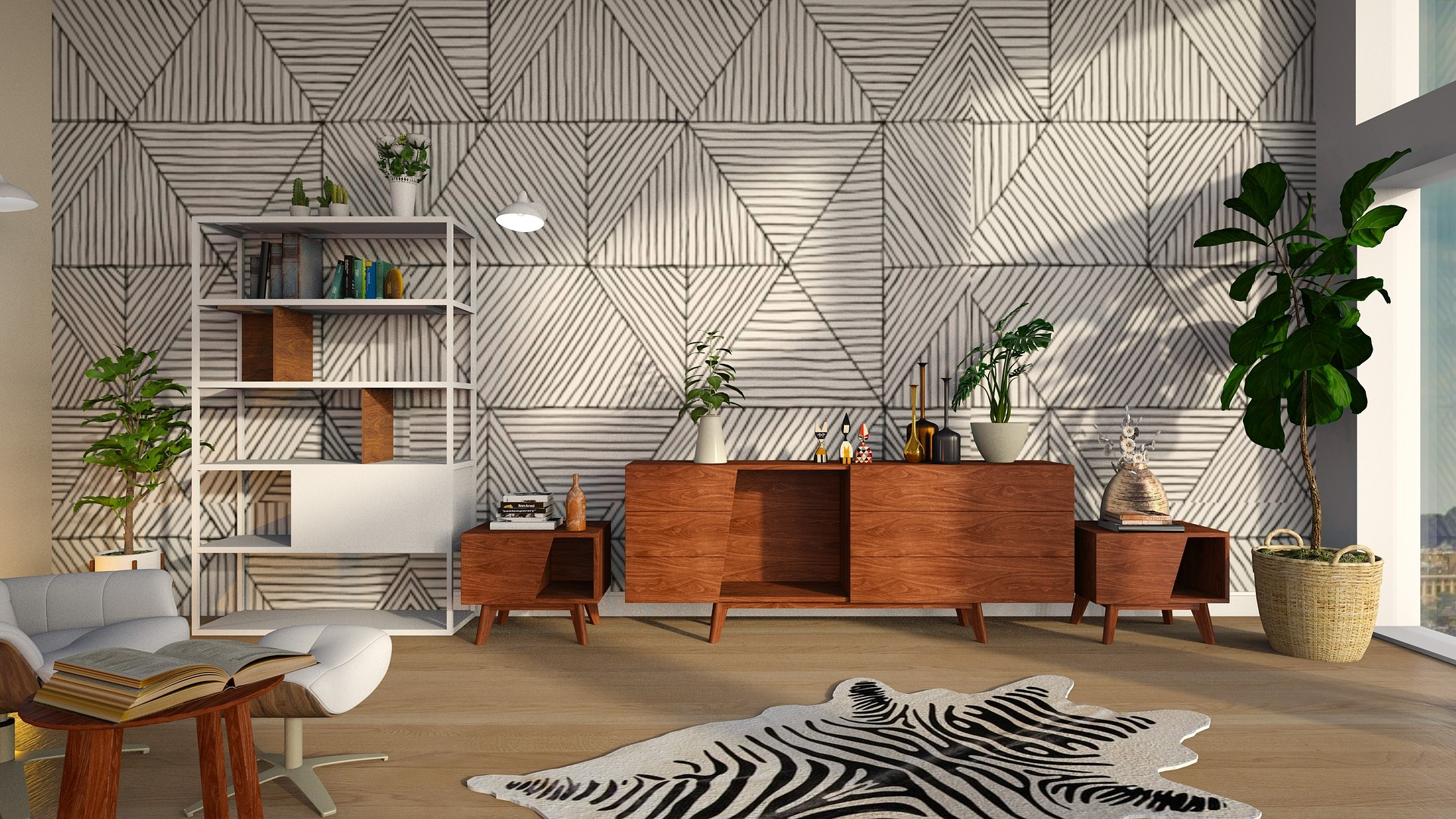
The Power of Narrative in Space
Spaces shape experiences. A corridor can feel like a prologue, while a living room unfolds as the story’s climax. Narrative-driven interiors harness human psychology—memory, emotion, curiosity—to guide occupants on a sensory journey. Short sentence. Long sentence that elaborates on how atmospheric shifts can mirror plot twists, turning quotidian routines into dramatic vignettes. By embracing storytelling interior design style, designers craft environments that resonate on a visceral level.
Curating a Thematic Framework
Every great story needs a theme. Similarly, your home requires a conceptual backbone.
- Define Your Narrative: Is it coastal escapism or industrial rebellion?
- Select Motifs: Nautical ropes, rusted metal, or handwoven textiles.
- Anchor Points: Signature pieces that echo your central motif in each room.
This framework ensures coherence. It’s not randomness; it’s purpose.
Materials That Convey Memory and Meaning
Material choice is akin to a writer’s diction—each word matters.
- Reclaimed Wood: Carries patina and provenance.
- Hand-Painted Tiles: Evoke artisanal traditions.
- Distressed Metal: Conjures industrial heritage.
Short. Longer sentence: these tactile surfaces become leitmotifs, weaving continuity throughout the home and reinforcing storytelling interior design style.
Color Palettes as Narrative Devices
Hues are emotional shorthand. They set the tone, build tension, resolve arcs.
- Chapter One – Calm Beginnings: Soft dove gray with palest sage.
- Mid-Story Crescendo: Accents of burnt sienna or deep ultramarine.
- Denouement: Creamy ivory punctuated by gold or brass details.
Each palette shift feels like a plot turn. It’s subtle dramaturgy playing out on walls.
Textural Language and Tactile Allegory
Texture adds nuance. It imbues surfaces with character.
- Bouclé and Velvet: Plush intimacy, like a whispered confidant.
- Raw Silk Draperies: Sheer elegance, a translucent veil of mystery.
- Tadelakt Plaster: Softly undulating walls reminiscent of aged manuscripts.
Short statement. Longer explanation: by harmonizing smooth, nubby, and reflective textures, you compose a tactile symphony that amplifies the narrative’s emotional beats.
Furniture and Object Curation: Characters in Your Story
Furniture can be protagonists or supporting cast.
- Hero Piece: A sculptural sofa or a monumental dining table.
- Supporting Actors: Side chairs with unexpected profiles, an antique chest with stories to tell.
- Cameos: Small objects—vintage cameras, ceramic totems, travel souvenirs.
Each selection advances the plot. Remove the extraneous. Retain only what enriches your overarching tale.
Lighting Design: Orchestrating Mood and Drama
Light is theater. It sculpts and reveals.
- Ambient Stage: Soft, diffused ceiling fixtures provide general illumination.
- Spotlight Moments: Wall-washers on artwork; pendant lamps over reading nooks.
- Backlight Ambiguity: LEDs concealed behind paneling for ethereal glows.
Short. Then long: graduated lighting layers allow you to cue emotional transitions—from contemplative repose to celebratory gatherings—embodying storytelling interior design style through luminous modulation.
Spatial Sequencing: The Narrative Arc of Movement
How people traverse a home mirrors storytelling structure: exposition, rising action, climax, resolution.
- Thresholds: A dramatic foyer with sculptural console signals entry into the “story.”
- Interludes: Transitional corridors lined with curated art or family photos.
- Showstoppers: Main living areas designed as climactic set pieces.
- Coda: Private retreats—bedrooms and studies—for denouement and reflection.
Short line. Longer remark: careful circulation planning ensures each step feels intentional, an unfolding page-turner rather than a random wandering.
Incorporating Personal Relics and Heirlooms
Authenticity springs from personal artifacts.
- Heirloom Furniture: A grandmother’s writing desk, refurbished yet reverent.
- Travel Mementos: Hand-carved masks or tribal textiles as nods to global sojourns.
- Family Photographs: Displayed in a gallery quadrant to narrate lineage.
These relics are chapters in your own life story. They anchor design in lived experience.
Balancing Authenticity with Cohesion
Too many anecdotes can feel disjointed. Achieve harmony by:
- Limiting Motifs: Focus on two or three key narrative threads.
- Repeating Elements: Echo textures or colors across rooms for unity.
- Strategic Restraint: Omit items that detract from your central storyline.
Concise. Extended: thoughtful editing ensures your interior remains a compelling novel rather than an overstuffed anthology.
Case Study: A Coastal Artist’s Sanctuary
Imagine a seaside studio converted into a year-round retreat. Whitewashed shiplap walls form the narrative’s blank page. Driftwood beams, salvaged from wrecks, arch overhead like weathered prologues. A central worktable of reclaimed oak stands sentinel, scarred by brushstrokes and ink. Overhead hangs a chandelier fashioned from fishing nets and blown-glass buoys—found objects reframed as sculptural sentences. Coastal blues and sea-foam greens flood the palette, accented by rusted brass hardware reminiscent of ship fittings. Each vignette—nautical chart wallpaper, sand-filled hourglass on a floating shelf—serves as a paragraph in the artist’s ongoing odyssey. This home embodies storytelling interior design style through its seamless blend of maritime relics and modern functionality.
Practical Tips for Implementing a Narrative‑Driven Design
- Start with a Written Synopsis: Jot down the story you wish your home to tell.
- Anchor with Signature Pieces: Invest in one or two items that encapsulate your theme.
- Layer Gradually: Introduce accents in phases to refine cohesion.
- Use Swatches and Sample Boards: Test color and texture combinations in situ.
- Collaborate with Artisans: Commission bespoke textiles or carpentry that reflect your narrative.
Short advice. Long elaboration: these steps guide the transition from concept to fully realized interior novel.
Maintaining and Evolving Your Story
Design is never static. Stories evolve—as should your spaces.
- Seasonal Edits: Swap pillows, throws, or wall art to reflect changing moods.
- Rotating Collections: Curate a rotating display of ceramics or sculptures.
- Memory Refresh: Integrate new travel souvenirs or heirlooms over time.
Short. Longer thought: this iterative process ensures that your home remains an engaging, living narrative rather than a static set.
Embracing Liminal Spaces
Not all design must be theatrical. Liminal zones—entryways, landings, window seats—offer quiet interludes.
- Poetic Niches: A solitary bench beneath a skylight for contemplative pauses.
- Ephemeral Displays: Floating shelves with seasonal ephemera—pinecones in winter, pressed flowers in spring.
These subtle moments enrich storytelling interior design style by inviting introspection between more dramatic chapters.
Weaving Technology into the Tale
Smart-home devices can enhance narrative flow.
- Automated Lighting Scenes: Preset “morning glow” or “evening reverie” to shift ambiance.
- Hidden Audio Systems: Concealed speakers that provide curated soundtracks—jazz in studies, classical in dining rooms.
Short. Extended: technology, when discreetly integrated, becomes a seamless character in your home’s unfolding drama.
A home that tells a story transcends mere decoration. It becomes an immersive memoir, a curated anthology of experiences, emotions, and aspirations. By weaving thematic threads through materials, color, texture, and personal artifacts, you create a cohesive narrative tapestry. This is the essence of storytelling interior design style—spaces that resonate, surprise, and ultimately, feel as authentic as the stories they encapsulate.
