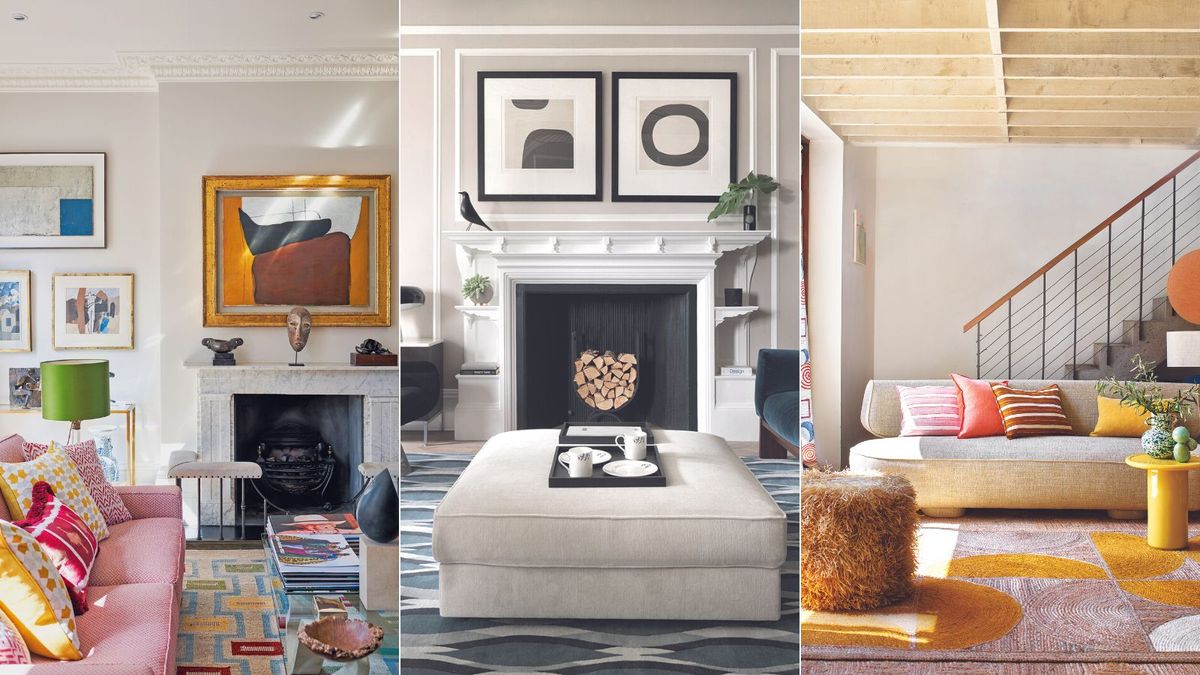
Interior Design with Natural Touches designing a home that reflects the calming essence of nature is more than just a trend—it’s a transformative philosophy. As urban life accelerates, the yearning for organic serenity grows stronger. Incorporating natural touch design accents into interior spaces creates a refreshing equilibrium between man-made environments and the organic world. Through clever combinations of texture, tone, and tactile materials, this approach grounds spaces in timeless tranquility while invigorating them with contemporary charm.
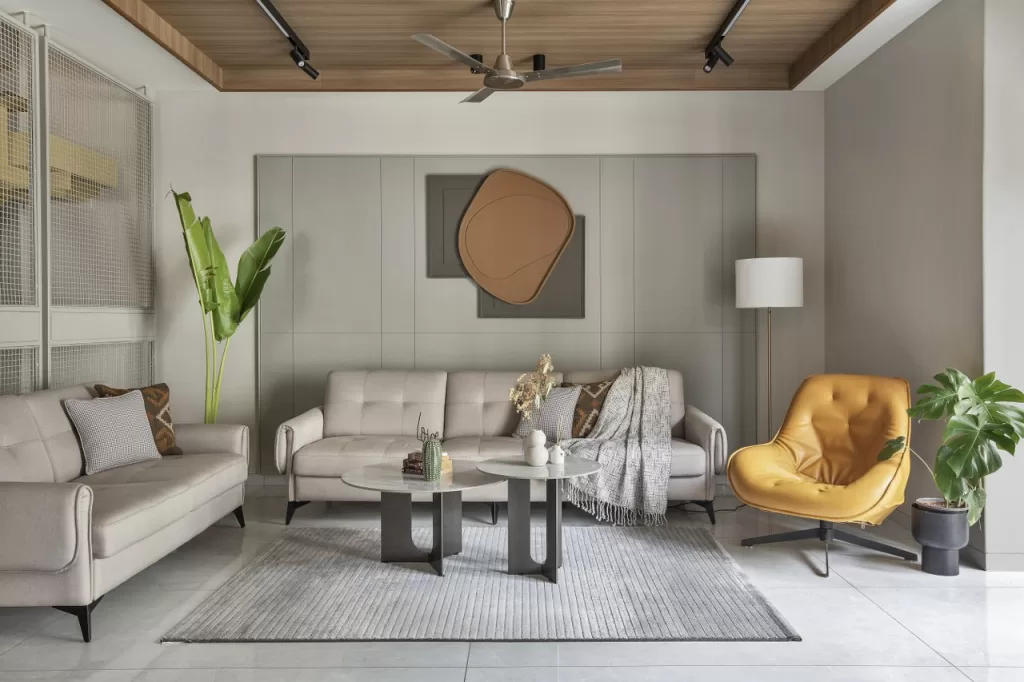
The Philosophy Behind Natural Design
Nature-inspired interiors are not about replicating the outdoors, but rather about inviting its quiet strength and elegance inside. These spaces resonate with warmth, clarity, and a distinct emotional depth. Rooted in the principles of biophilic design, they foster wellness by strengthening our connection to the natural environment.
Short. Then longer: from open-air concepts and raw materials to sensory textures and earthy palettes, natural touch design accents breathe life into rooms and create emotional grounding in even the most modern homes.
Setting the Tone: Earth-Based Color Palettes
A nature-forward interior begins with the palette. Muted, earthy tones set a calming foundation.
- Stone Gray & Charcoal: Evoke the strength of granite cliffs and rocky coasts.
- Sage Green & Olive: Suggest meadows and aged foliage, calming yet invigorating.
- Terracotta & Clay: Channel the warmth of sunbaked soil and earthenware.
- Sand & Wheat: Neutral tones reminiscent of beaches, dunes, and harvested fields.
Short. Then expanded: by selecting colors that mimic natural materials—wood, water, sky, soil—you build a visual ecosystem that supports the integrity of natural touch design accents throughout the home.
Texture as the Silent Storyteller
Nature speaks most clearly through texture. Bringing variety to surfaces deepens engagement.
- Woven Rattan and Cane: These age-old techniques create lightweight furniture with organic flair.
- Raw Linen and Cotton: Natural, breathable fibers perfect for drapes, cushions, and slipcovers.
- Distressed Wood and Reclaimed Timber: Uneven grains and knots tell a story of growth and time.
- Slate, Marble, and Soapstone: Imperfect, cool-to-the-touch stones that ground spaces with elemental sophistication.
Short. More detailed thought: using a mix of coarse and smooth textures invites the eye and hand to explore, making every corner a tactile experience. This multi-sensory layering is at the heart of natural touch design accents.
Letting Nature Be the Centerpiece
When nature itself is the décor, everything else falls into place.
- Dried Florals and Wild Grasses
- Pampas grass in tall earthenware vases.
- Eucalyptus bunches for soft movement and fragrance.
- Wildflower bundles bringing muted color.
- Live Greenery and Trees
- Olive trees in rustic planters.
- Trailing pothos on open shelving.
- Fiddle leaf figs for vertical interest.
- Water Features and Natural Sound
- Indoor fountains or stone basins.
- Spotify soundscapes of rustling leaves and rainfall.
Short. Expanded: by elevating natural elements from accessory to focal point, natural touch design accents allow nature to become an interactive part of daily life—not just something to observe, but something to live with.
Sustainable Materials and Mindful Sourcing
Sustainability and natural design are intertwined. Opting for ethically sourced and eco-friendly materials enhances aesthetic and conscience.
- Bamboo Flooring: Rapidly renewable and beautifully grained.
- Cork Wall Panels: Absorb sound while adding organic warmth.
- Low-VOC Paints: Healthier for inhabitants and better for the environment.
- Locally Sourced Wood and Stone: Reduces carbon footprint and supports artisanship.
Short. Longer elaboration: choosing materials with ecological integrity reinforces the underlying philosophy of natural touch design accents, fostering beauty with responsibility.
Furniture Inspired by Nature
Furniture doesn’t need to be ornate when it echoes the forms and functions of the natural world.
- Live-Edge Tables: Retain the original curve and grain of the tree, showcasing wood’s natural beauty.
- Wabi-Sabi Influences: Favoring irregularity, asymmetry, and aging gracefully.
- Modular Sofas with Natural Fabric: Linen, hemp, and wool upholstery in neutral tones.
- Stone or Concrete Coffee Tables: Bold, grounding elements that contrast with soft furnishings.
Short. Then longer: furniture in this context is not just utilitarian—it’s sculptural, textural, and emotive. Each piece contributes to the broader language of natural touch design accents in its simplicity and authenticity.
Lighting That Echoes the Sun
Light alters perception, mood, and spatial character. A natural-inspired interior thrives on luminosity.
- Maximized Natural Light: Use sheer curtains or linen blinds to diffuse without blocking.
- Warm LEDs and Edison Bulbs: Mimic golden-hour tones rather than cold fluorescents.
- Stone, Wood, and Rattan Fixtures: Light sources double as organic sculptures.
- Candlelight and Fire Elements: Add flicker and depth to evening ambience.
Short. Longer sentence: in creating warmth through light, you extend the embrace of nature even after sunset—an essential element in executing natural touch design accents with emotional depth.
Creating Flow Through Organic Forms
Rigid symmetry often contradicts nature’s spontaneous elegance. Favor curves, waves, and irregularity.
- Rounded Corners and Arches: From doorways to mirrors, soften architectural lines.
- Curved Furniture: Sofas, ottomans, and headboards that mimic the natural contours of the human body.
- Fluid Layouts: Open floor plans with minimal barriers and intuitive movement paths.
Short. Then expanded: when the home feels like it breathes—open, curving, and ever-changing—the natural touch design accents feel fully integrated, not simply added.
Wall Treatments Inspired by Earth and Sky
Walls offer a broad canvas for nature’s influence.
- Clay Plaster and Limewash Finishes
- Subtle texture that changes in light throughout the day.
- Breathable, chemical-free, and rich in tonality.
- Wood Paneling and Slats
- Creates rhythm and shadow play.
- Works vertically or horizontally to shift perception of space.
- Botanical Murals or Wallpapers
- Soft florals, leaf prints, or jungle themes done in sepia tones or grayscale.
- Adds drama while maintaining softness.
Short. More expansive sentence: treating walls as part of the natural narrative reinforces the immersive experience of natural touch design accents in every room.
Accents and Accessories with Raw Beauty
Accessories complete a room’s story. Natural-themed accessories bring unexpected charm.
- Hand-thrown Pottery: Imperfect glazing and organic shapes.
- Woven Baskets: Function as storage and sculpture.
- Stone Bowls and Wooden Trays: Everyday items transformed into tactile design features.
- Vintage Natural Finds: Coral fragments, driftwood, agate slices under glass domes.
Short. Elaborate: it’s in the minute moments—where texture meets function and imperfection becomes character—that natural touch design accents achieve their most poetic expressions.
The Role of Scent and Sound
Sensory design is often overlooked. But engaging all five senses completes the natural experience.
- Essential Oil Diffusers: Scents like cedarwood, bergamot, and pine connect us to the forest.
- Beeswax Candles: Release a faint honeyed aroma and burn cleanly.
- Ambient Soundscapes: Wind, bird song, and trickling water create subconscious ease.
- Natural Materials That Emit Subtle Smells: Fresh-cut wood, dried herbs, and flowers.
Short. Longer sentence: multisensory design deepens the emotional dimension of natural touch design accents, transforming passive décor into an enveloping atmosphere.
A Room-by-Room Application
Let’s explore how these ideas manifest in specific living zones.
Living Room
- Linen-upholstered sectional sofa paired with jute rug.
- Live-edge coffee table surrounded by ceramic candleholders and stone coasters.
- Vertical garden wall with potted herbs and ivy.
Kitchen
- Open wood shelving with clay plates and bamboo cutting boards.
- Concrete countertop island with rattan pendant lights above.
- Woven baskets for produce and spices.
Bedroom
- Flax linen bedding in muted sage.
- Carved wood nightstands topped with amber glass lamps.
- Reclaimed wood headboard against a limewashed wall.
Bathroom
- Stone basin sinks with matte brass fixtures.
- Pebbled shower floor for tactile engagement.
- Eucalyptus bundles hanging from the showerhead.
Each zone showcases natural touch design accents tailored to its function, yet unified by tone and texture.
Case Study: A Woodland Escape in the City
A 900-square-foot urban apartment becomes a forest-inspired retreat through thoughtful design. Floors are herringbone oak, bleached and sealed in matte finish. The main wall is limewashed in earthy clay beige. In the living room, a low modular sofa in undyed linen rests beside a hand-thrown clay lamp. Hanging planters drape vines across windows, diffusing morning sun. The kitchen boasts bamboo cabinetry and reclaimed marble counters. A butcher block island supports a trio of spun-bronze pendant lights. In the bedroom, custom open shelving made from river-salvaged wood displays books, branches, and carved totems. Aromas of cedar and vetiver linger in the air from a nearby diffuser. This peaceful oasis proves that natural touch design accents aren’t limited to cabins or countryside homes—they flourish wherever nature is honored.
Practical Tips for Implementation
- Start Small: Replace synthetic textiles with linen or cotton.
- Layer Slowly: Begin with one area—a reading corner or dining nook.
- Prioritize Light and Air: Keep windows open, curtains airy.
- Visit Local Artisans: Source pottery, textiles, and woodwork with story and heart.
- Edit Ruthlessly: Keep only items that contribute to calm, connection, and character.
Short. Extended guidance: a mindful, paced approach ensures your space evolves into one where natural touch design accents feel authentic—not staged or superficial.
Seasonal Rotations Keep It Fresh
Nature changes with the seasons—so should your space.
- Spring: Bud vases with flowering branches, crisp linen throws.
- Summer: Sea glass bowls, driftwood sculptures, breezy cotton curtains.
- Autumn: Wool blankets, dried hydrangeas, candles in amber jars.
- Winter: Fir garlands, pinecones, heavy woven textures.
Rotating natural touch design accents ensures a home that feels alive, attuned to the rhythms of the world beyond its walls.
Homes that celebrate nature don’t just look good—they feel right. With attention to materiality, light, texture, and living detail, interiors become an extension of the earth’s quiet brilliance. Whether you’re introducing a single olive tree or redesigning with raw stone and limewash, the essence remains the same: a return to what is grounding, genuine, and beautifully imperfect. Embracing natural touch design accents is not just about design—it’s about living well, simply, and soulfully.