Japandi Home Decor Made Simple blending the serene elegance of Japanese aesthetics with the functional minimalism of Scandinavian design, Japandi is a home decor trend that epitomizes tranquility, balance, and understated beauty. Rooted in craftsmanship, organic materials, and uncluttered spaces, this hybrid style celebrates simplicity with soul. Embracing the simple Japandi home style means curating spaces that are both purposeful and poetic.
1. Understanding the Japandi Philosophy
Japandi fuses two powerful design philosophies:
- Japanese Wabi-Sabi: Finding beauty in imperfection and the transient nature of objects.
- Scandinavian Hygge: A sense of cozy contentment through simplicity and comfort.
Together, they shape the foundation of the simple Japandi home style, where harmony, nature, and utility are at the core.
2. Neutral Color Palettes with Purpose
The color scheme is the quiet anchor of Japandi interiors. Think soft, earthy tones:
- Muted Greys: Suggesting calmness and modesty.
- Warm Beiges and Sand Tones: Embracing natural light.
- Soft Sage and Smoky Blues: Injecting a hint of subdued color without disruption.
Each hue is chosen for its ability to calm the mind and ground the space, vital to the simple Japandi home style.
3. Functional Furnishings: Less, But Better
Japandi furniture leans toward low profiles, organic lines, and dual function:
- Platform Beds with Storage: Streamlined, close to the floor, and practical.
- Multifunctional Consoles: Serving as desks, sideboards, or dining areas.
- Tatami-Inspired Seating: Floor cushions or low wooden stools that foster groundedness.
Quality and purpose reign supreme in the simple Japandi home style, where every piece earns its place.
4. The Power of Natural Materials
Wood, stone, and linen bring tactile serenity:
- Light Ash and Oak Woods: Scandinavian softness in flooring and cabinetry.
- Dark Walnut and Bamboo: Japanese richness in trims and accent pieces.
- Raw Textiles: Linen, cotton, and wool blankets that drape naturally.
Organic materials are foundational to the ethos of the simple Japandi home style.
5. Clutter-Free Living Spaces
Visual noise disrupts serenity. Decluttering is an act of refinement:
- Hidden Storage: Cabinets with clean facades and built-in compartments.
- Minimal Surface Decor: One or two intentional objects per surface.
- Open Shelving: Display only what is meaningful and beautiful.
Negative space becomes a positive force in the simple Japandi home style.
6. Earthy Textures and Tactility
The Japandi aesthetic values the feel of materials:
- Textured Plaster Walls: Soft, uneven finishes evoke handmade elegance.
- Rough-Cast Pottery: Imperfect bowls and vases with tactile depth.
- Layered Rugs: Neutral jute over plush wool for comfort and dimension.
Tactile richness gives subtle vitality to the simple Japandi home style.
7. Indoor Greenery as a Soft Contrast
Plants add life without chaos:
- Single Statement Trees: Like a fiddle-leaf fig or bonsai in a large pot.
- Trailing Plants: In terracotta planters on open shelves.
- Low-Maintenance Succulents: Sculptural greenery with minimal upkeep.
Biophilic design enhances the calming nature of the simple Japandi home style.
8. Artistic Restraint and Wall Decor
Minimal doesn’t mean stark:
- Calligraphy Art Prints: Framed ink pieces on textured paper.
- Neutral Abstract Paintings: Hints of form and movement in subtle tones.
- Wabi-Sabi Sculptures: Freestanding pieces that reflect time and tactility.
Art becomes a whisper, not a shout, within the simple Japandi home style.
9. Lighting for Mood and Function
Soft, diffused lighting creates atmosphere:
- Rice Paper Lanterns: Providing warm, ambient glow.
- Pendant Lights in Wood or Stone: Natural elements suspended elegantly.
- Minimalist Floor Lamps: Slender forms that quietly frame corners.
Lighting shapes the ambiance in a simple Japandi home style environment.
10. Low-Profile Decor and Accessories
Decor should never dominate, only enhance:
- Stoneware Vases: Matte finishes in earth tones.
- Handwoven Baskets: For storage or display, made from natural fibers.
- Wooden Trays: Anchoring objects with purpose on tabletops.
Accessories are functional poetry in the simple Japandi home style.
11. Zones of Calm and Reflection
Design moments of pause:
- Reading Nooks: Floor cushions by windows with minimal shelving.
- Meditation Corners: A mat, a plant, and a quiet lamp.
- Bath Spaces with Zen Appeal: Natural stone tiles, wooden stools, and bath caddies.
Personal sanctuaries reinforce the inward focus of the simple Japandi home style.
12. Room-by-Room Japandi Principles
Living Room
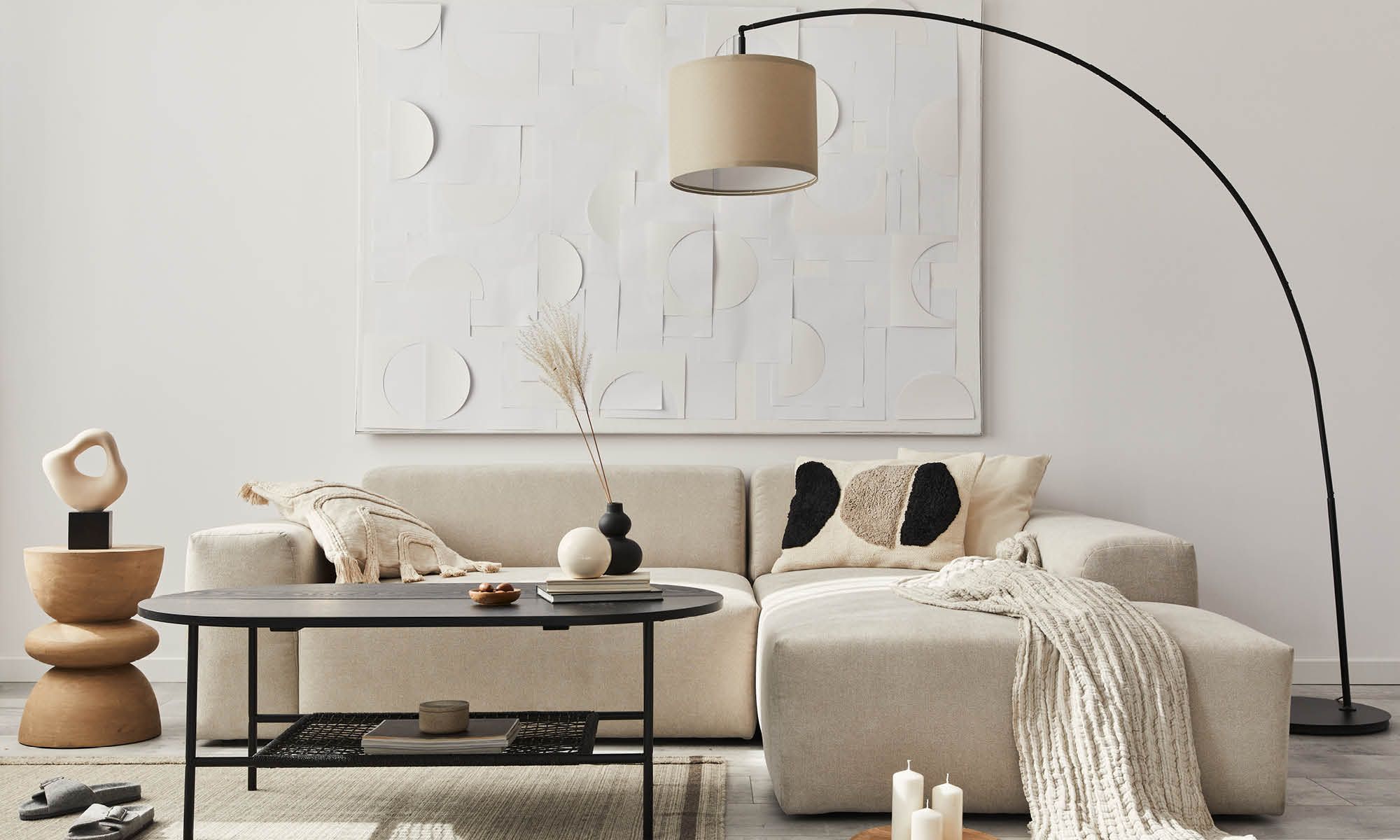
- Neutral sofas with low backs.
- One large piece of artwork or textured wall hanging.
- Layered lighting with table lamps and soft ceiling lights.
Bedroom
- Platform bed with linen bedding.
- Floating nightstands and minimal decor.
- Woven bench or stool at the foot of the bed.
Kitchen
- Matte cabinetry in wood or neutral tones.
- Open shelving with ceramic dishware.
- Pendant lighting with handcrafted shades.
Bathroom
- Wooden bath mats.
- Concrete basins.
- Bamboo towel ladders.
Each space echoes the simple Japandi home style in unique harmony.
13. Embracing Imperfection Through Wabi-Sabi
Celebrate flaws and aging:
- Cracked Glazes: Pottery with spider-vein patterns.
- Weathered Wood: Naturally patinated over time.
- Handmade Variations: Uneven lines and textures.
These touches enhance authenticity within the simple Japandi home style.
14. Sustainable Choices and Mindful Living
Japandi champions conscious consumption:
- Local Artisans: Supporting slow-made furniture and decor.
- Recycled Textiles: Woven from natural or reclaimed fibers.
- Low-VOC Paints: Enhancing air quality while preserving aesthetics.
Sustainability is a moral imperative in the simple Japandi home style.
15. Seasonal Transitions with Subtlety
Update without clutter:
- Autumn: Add wool throws in rust or mustard.
- Winter: Layer sheepskin or mohair accents.
- Spring: Display fresh-cut branches in ceramic vases.
- Summer: Use light cotton and linen curtains.
The simple Japandi home style evolves gently with the seasons.
16. Open Layouts with Defined Function
Spaces flow, yet each has purpose:
- Sliding Screens (Shoji-style): Define space without enclosing it.
- Modular Storage: Tuck away clutter while maintaining visual openness.
- Furniture Placement: Encourage ease of movement and conversation.
Clarity of purpose defines the simple Japandi home style.
17. Craftsmanship Over Mass Production
Choose items made with care:
- Joinery-Focused Furniture: Exposed wood joints highlight artisanal work.
- Hand-Tufted Rugs: Subtle detailing in neutral colorways.
- Blown Glass Lighting: Irregular shapes with soul.
Handcrafted details affirm the integrity of the simple Japandi home style.
18. Sensory Stillness and Acoustic Comfort
Reduce noise and visual overstimulation:
- Wool Drapes and Felt Panels: Absorb sound and add softness.
- Minimalist Sound Systems: Integrate music without tech clutter.
- Scent Diffusers with Hinoki or Sandalwood: Connect the olfactory to calm.
Stillness is a vital element of the simple Japandi home style.
19. Everyday Rituals Become Design
Design should support rituals:
- Tea Station with Ceramics: For mindful brewing.
- Tray for Entryway Keys and Wallets: Promotes intentional arrivals.
- Breakfast Nook by the Window: Fosters slow starts.
The simple Japandi home style intertwines aesthetics with rhythm.
20. Bringing It All Together
To master this serene hybrid:
- Prioritize Function and Feeling Equally
- Honor the Beauty of Nature and Imperfection
- Let Every Object Have Meaning or Use
The simple Japandi home style is a quiet rebellion against excess.