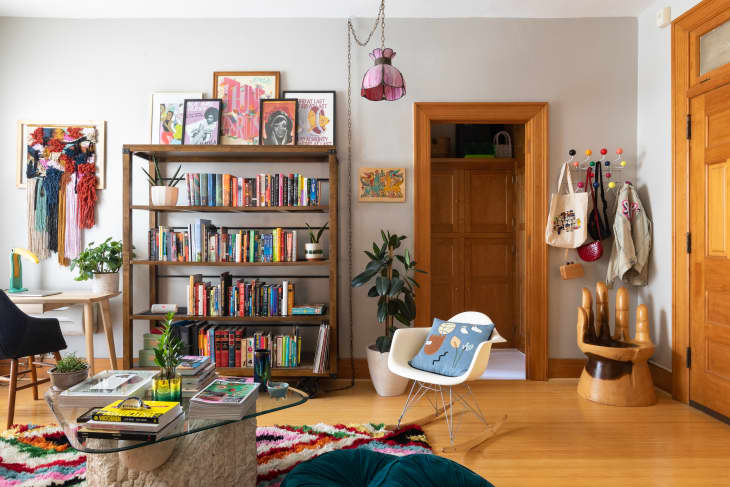
Layered Home Decor with Texture in the realm of interior design, texture serves as the soul of a room. While color and pattern catch the eye, it’s texture that lures you in and invites you to stay. Whether you’re curating a cozy sanctuary or a sleek modern abode, mastering the art of layering textures transforms ordinary spaces into expressive environments. The secret lies in blending materials, finishes, and textiles to create a visual and tactile symphony—what experts call layered textured decor accents.
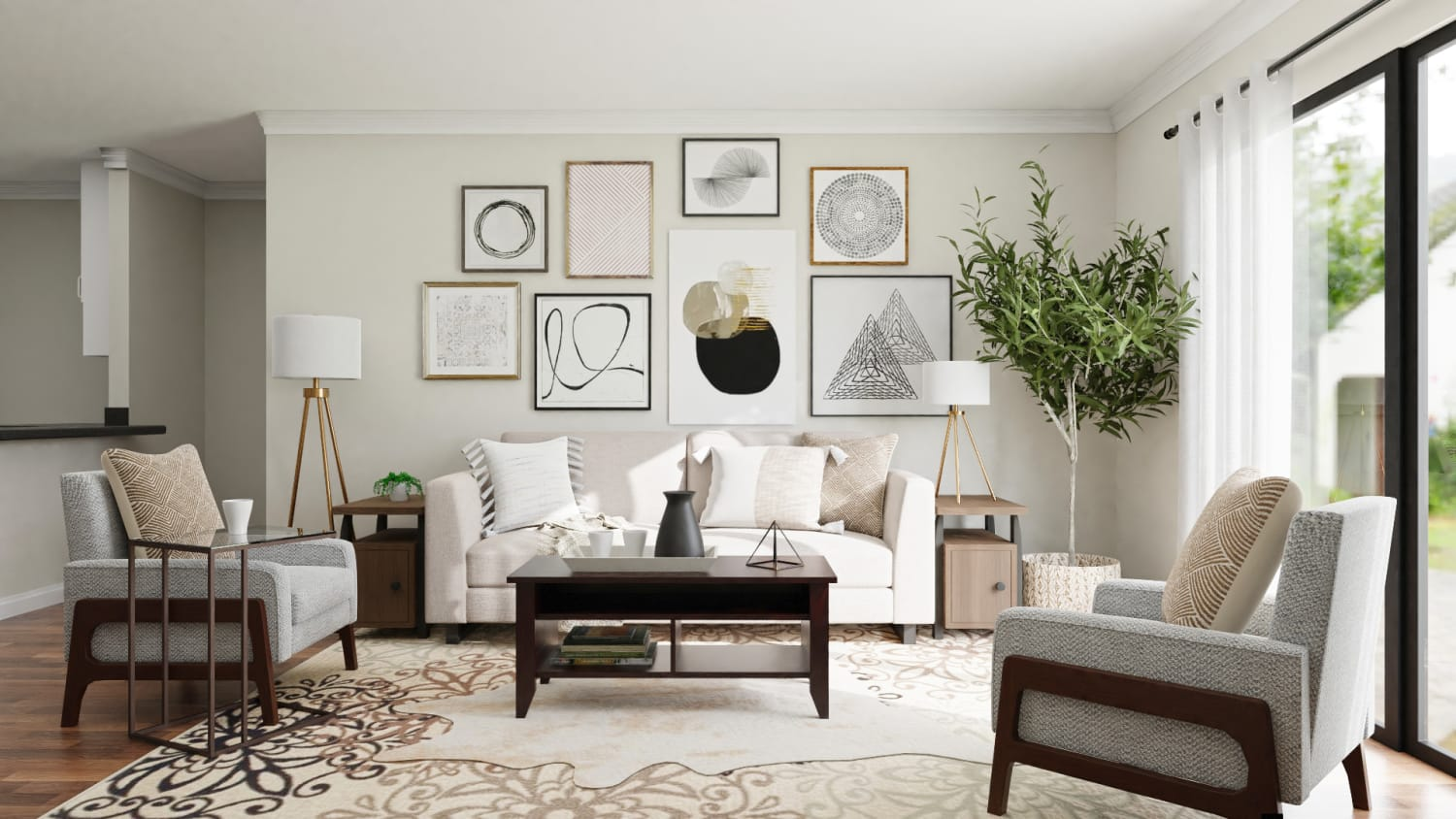
The Essence of Texture in Interior Design
Texture adds dimension. It enriches flat surfaces and enlivens color palettes. From the velvet sheen of a cushion to the rugged grain of reclaimed wood, texture is what brings depth and soul to your decor. It’s a tactile language that speaks comfort, warmth, and personality.
To truly create harmony, contrast is key. Combining rough with smooth, matte with glossy, soft with hard—these deliberate dichotomies deliver intrigue and balance.
Understanding Layers in Decor
Layering isn’t about excess. It’s about thoughtful composition. Like a well-composed symphony, each element must harmonize with the next, creating a crescendo of style that doesn’t overwhelm.
Start with a base layer: walls, floors, large furniture pieces. Then build upward—adding rugs, throws, cushions, art, lighting, and decorative accents. The result is a multidimensional experience that feels curated and complete.
This methodology is foundational to incorporating layered textured decor accents into any room.
Foundational Textures: Walls and Floors
Your walls and floors form the canvas of your design. Introducing texture here establishes depth from the get-go.
- Wall Treatments: Think beyond paint. Textured wallpapers (grasscloth, linen-weave, embossed prints), limewash finishes, exposed brick, or panel molding add an architectural sensibility.
- Flooring: Wide-plank hardwoods, hand-scraped bamboo, encaustic tiles, or terrazzo offer both pattern and texture. Softness can be layered with jute, sisal, or Berber wool rugs.
These structural textures set the stage for layering more tactile components—essential to achieving rich layered textured decor accents.
Upholstery and Fabrics: Sensory Appeal
Textiles are where texture becomes truly palpable. Mixing materials is essential:
- Velvet and Linen: The plush luxury of velvet paired with the crisp airiness of linen creates contrast and sophistication.
- Knits and Furs: Chunky cable-knit throws, faux sheepskin, or alpaca wool inject softness and coziness.
- Leather and Suede: These natural materials bring a grounded, tactile quality that balances more ethereal textures.
Layering pillows in various fabrics—bouclé, chenille, mohair—adds an irresistible tactile rhythm.
Furniture with Tactile Impact
When selecting furniture, think beyond form and function. Consider the textural statement each piece makes.
- Reclaimed Wood Tables: Their raw, organic grain tells a story and pairs well with smooth materials like glass or lacquer.
- Woven Accents: Rattan, cane, and wicker infuse earthiness and vintage charm.
- Tufted Seating: A velvet tufted chair or leather bench introduces both visual interest and tactile luxury.
Such pieces serve as grounding elements in the composition of layered textured decor accents.
Lighting as a Textural Element
Often underestimated, lighting fixtures offer texture through materials and light diffusion.
- Natural Materials: Linen drum shades, woven bamboo pendants, and ceramic table lamps add dimension.
- Glass and Metal: Hammered brass or frosted glass bring shimmer and contrast.
- Light Play: The way light interacts with surfaces—casting shadows on a ridged wall or glinting off a crystal fixture—amplifies the sensory layers.
Lighting can both reveal and enhance your layered textured decor accents.
Decorative Accessories: The Finishing Touch
Accessories are the polish, the sparkle—the final brushstroke. They’re what make a space feel complete and deeply personalized.
- Ceramics and Pottery: Hand-thrown vessels, glazed bowls, or matte stone sculptures offer subtle texture.
- Books and Trays: Leather-bound books, marble trays, or hammered metal coasters add visual intrigue.
- Botanicals: Dried pampas grass, eucalyptus bunches, or moss-covered branches provide natural texture.
Arrange these elements in thoughtful groupings to enhance the complexity of your layered textured decor accents.
Color and Texture: A Dynamic Duo
Color intensifies the perception of texture. A monochromatic palette can highlight texture by allowing materiality to take center stage.
- Neutral Schemes: Let shades of ivory, taupe, and stone provide a calming backdrop for highly textured elements.
- Bold Tones: Deep emerald velvet or burnt orange suede stands out while also elevating the tactile quality of a space.
- Metallic Finishes: Incorporating brushed gold, bronze, or pewter introduces subtle sheen and dimension.
The interplay of hue and texture is central to sophisticated layered textured decor accents.
Seasonal Textures: Adapting Through the Year
Rotate textures seasonally for a fresh feel:
- Autumn and Winter: Introduce heavier materials like wool, flannel, velvet, and leather.
- Spring and Summer: Opt for breezy linens, cottons, seagrass, and raffia.
This rhythm of change not only refreshes the space but keeps your layered textured decor accents in harmony with the environment.
Incorporating Global Influence
Layering textures is also a beautiful way to celebrate global craftsmanship:
- Moroccan Textiles: Beni Ourain rugs, cactus silk cushions, and brass lanterns add exotic flair.
- Japanese Aesthetics: Shoji screens, tatami mats, and wabi-sabi pottery introduce restraint and elegance.
- Scandinavian Comfort: Faux furs, knitted throws, and bleached woods exude hygge and balance.
Blending these inspirations creates culturally rich layered textured decor accents that tell a worldly story.
Texture in Unexpected Places
True mastery comes from attention to detail—even in unexpected spots:
- Ceilings: Coffered designs, beadboard, or wallpapered ceilings add surprise and depth.
- Hardware: Matte black pulls, brushed brass knobs, or hammered copper fixtures all contribute subtle texture.
- Doors and Trim: Paint them in satin or eggshell finishes to play with light and shadow.
These details fortify your aesthetic and extend the reach of your layered textured decor accents.
Creating a Cohesive Palette
Balance is essential. Avoid overwhelming the senses with too many conflicting textures. Choose a few key materials and repeat them thoughtfully throughout the space.
- Limit your primary materials to three or four.
- Use contrast wisely—rough against smooth, matte against glossy.
- Ensure your textures support your room’s function and vibe.
This coherence strengthens the impact of your layered textured decor accents.
Final Reflections
Texture is the heartbeat of home design. It’s what makes a room feel real—lived-in, comfortable, and undeniably stylish. From structural foundations to the smallest decorative touch, each layer contributes to a narrative of warmth, tactility, and sophistication.
Harnessing the power of layered textured decor accents isn’t just a trend—it’s a timeless approach to interior storytelling. Through intentional layering, material diversity, and a keen eye for detail, any space can transform from flat to fascinating. Let texture guide the way.