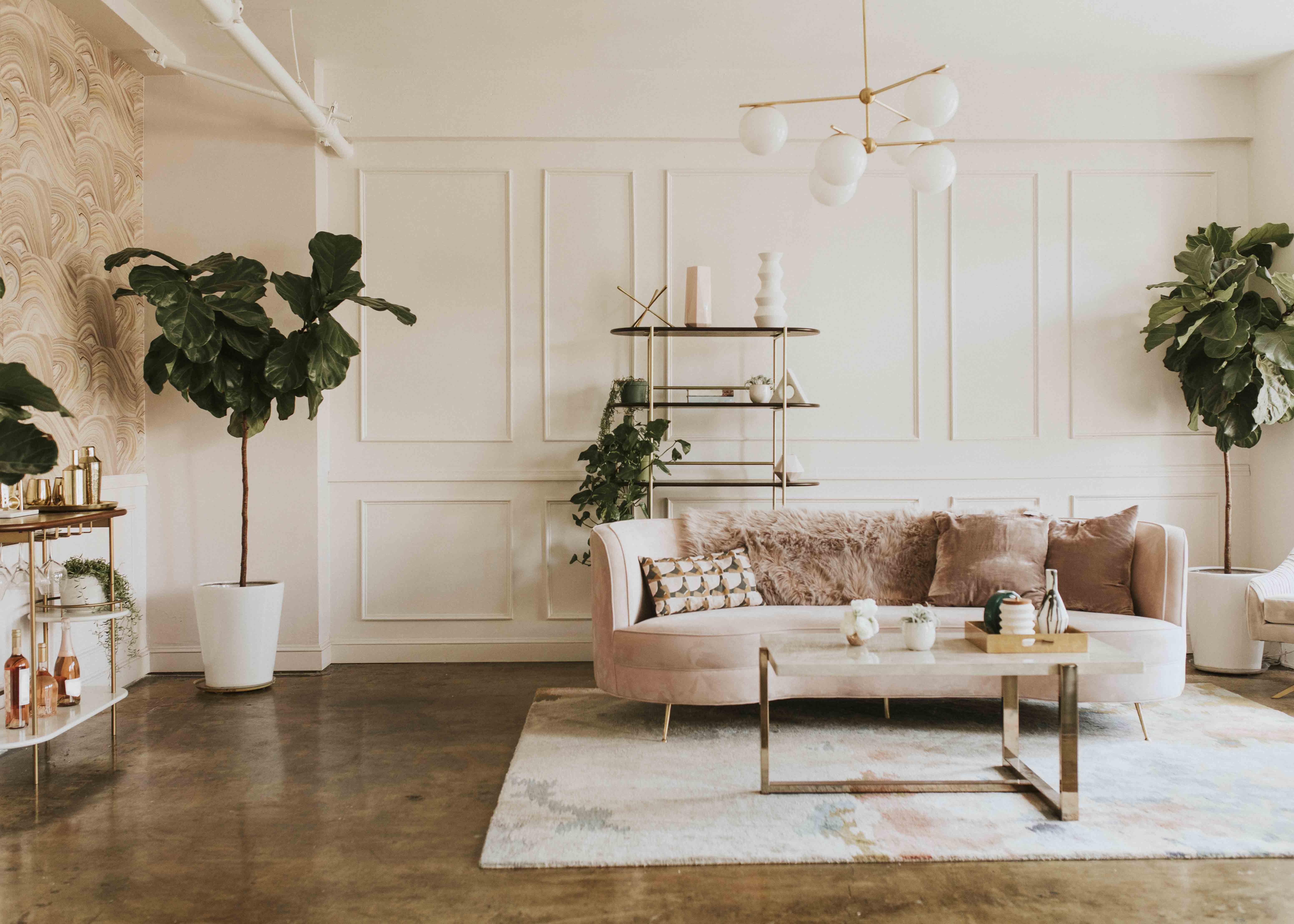
Minimalist Furniture Ideas with Impact crafting a living space that exudes serenity and sophistication often hinges on the artful selection of furniture. In an age where clutter connotes chaos, the ethos of minimalist impactful furniture design emerges as a beacon for those seeking environments that are both functional and aesthetically arresting. This guide delves into inventive strategies, uncommon terminology, and professional insights to help you embrace pared-back elegance without sacrificing character.
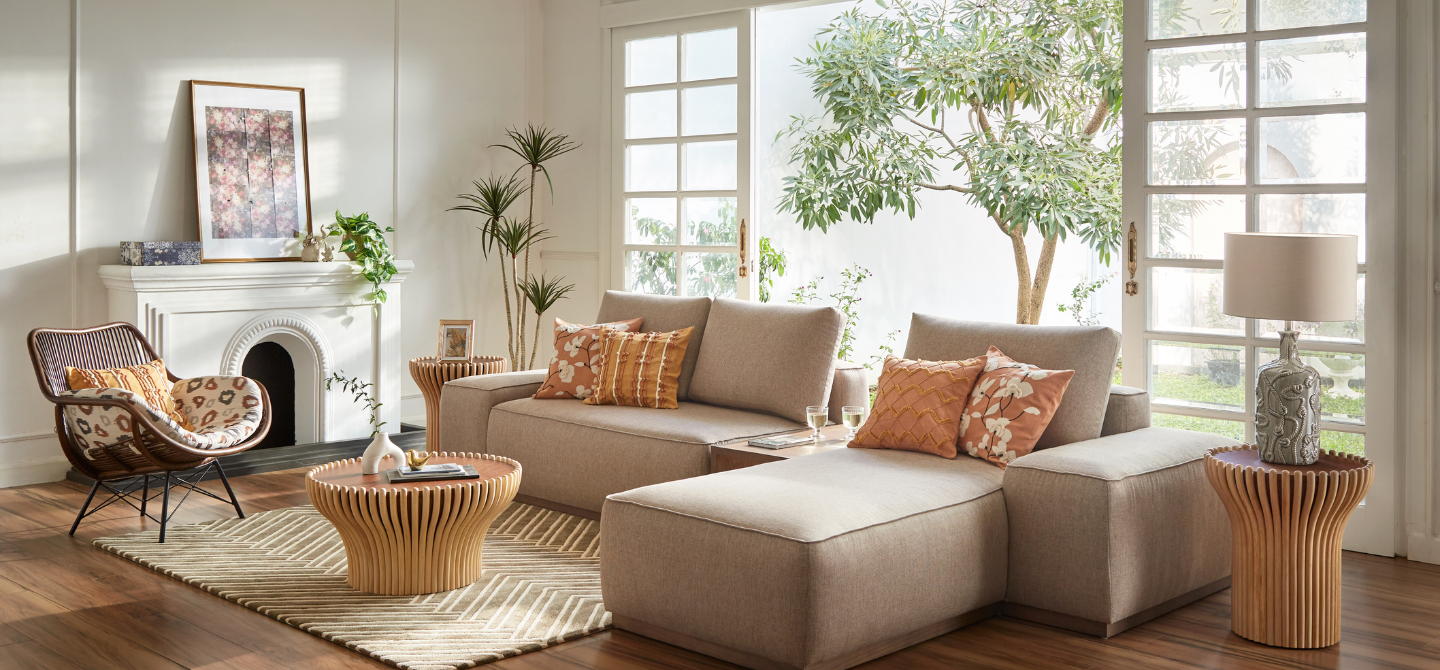
Introduction
Minimalism is more than an aesthetic—it’s a philosophical stance that champions clarity, purpose, and mindful curation. By embracing minimalist impactful furniture design, you invite a sense of calm and intentionality into your daily life. This approach eschews superfluous ornamentation and instead emphasizes pieces that serve multiple roles or make bold statements through their simplicity. Whether you inhabit a spacious loft or a cozy cottage, these ideas will help you transform your home into a harmonious sanctuary.
Principles of Purpose-Driven Selection
The cornerstone of minimalism lies in purpose. Each piece must earn its place through utility or visual allure. Consider the following directives:
- Functionality First
Opt for items that serve clear functions. A simple console table with integrated drawers, for instance, combines surface area with concealed storage. - Embrace Negative Space
Negative space—areas left intentionally void—allows the eye to rest. A cluster of three slender chairs with ample breathing room becomes more of a gallery than mere seating. - Streamlined Silhouettes
Look for clean lines and geometric precision. Furniture that forgoes frills feels more dynamic when juxtaposed against more ornate decor. - Quality over Quantity
Invest in fewer, superior pieces crafted from enduring materials. Over time, heirloom-quality furniture can become cherished focal points.
Strategic Material Choices
Materiality can elevate minimalist furniture from austere to artful. When selecting substances, reckon with texture, longevity, and environmental footprint.
- Reclaimed Timber
Salvaged wood imbues spaces with warmth while honoring sustainability. Its irregular grain patterns lend a subtle palimpsest of history. - Anodized Metals
Aluminum or steel treated for corrosion resistance can feature in chairs, tables, or shelving. Their lustrous finishes harmonize with both matte and glossy accents. - Biophilic Fabrics
Natural textiles—linen, hemp, or organic cotton—add tactile richness without overwhelming the senses. Upholstery in neutral tones complements the minimalist palette. - Terrazzo Accents
Speckled terrazzo surfaces, used sparingly in coffee tables or stools, inject visual interest without disrupting the minimalist narrative.
Space Optimization Techniques
Maximizing spatial efficiency is integral to minimalist impactful furniture design. Here’s how to optimize even the most constrained quarters:
- Floating Furnishings
Wall-mounted desks, bedside tables, and shelving units liberate floor space and create an impression of levitation. - Nesting Pieces
Nesting tables or chairs that tuck neatly beneath larger counterparts ensure adaptability when entertaining. - Modular Configurations
Modular sofas or shelving can be reconfigured to suit evolving needs, fostering a dynamic environment that grows with you. - Fold-Down Solutions
Murphy-style desks or beds fold away to reveal uncluttered expanses, perfect for multi-purpose rooms.
Transformative Accent Pieces
A judiciously chosen accent can metamorphose a minimalist room into an intriguing vignette. Consider these options:
- Statement Loungers
A sculptural lounge chair—perhaps one with an ergonomic, curvilinear form—serves as an organic counterpoint to angular environs. - Architectural Lighting
Suspended pendant lamps with stark, monolithic shapes not only illuminate but also become works of modern sculpture. - Monochrome Textiles
Throw pillows or rugs in deep charcoal, off-white, or muted taupe establish contrast while preserving tonal harmony. - Artisanal Ceramics
A cluster of handcrafted vases or bowls showcases craftsmanship and offers a tactile focal point on a sleek surface.
Multi-Functional Masterpieces
Furniture that performs dual or triple duties epitomizes the ethos of minimalist impactful furniture design. Examples to explore:
| Piece | Functions |
|---|---|
| Storage Ottoman | Seating, footrest, concealed compartment |
| Wall-Mounted Fold-Out Desk | Workspace, shelving, decorative display surface |
| Convertible Coffee Table | Table, seating bench, storage beneath lift-top |
| Modular Bookcase/Divider | Bookshelf, room partition, display platform |
By selecting multi-functional masterpieces, you reduce the total volume of furniture while enhancing spatial elasticity.
Palette and Finish Considerations
A restrained color scheme underpins powerful minimalist design. Neutral hues—ivory, stone gray, slate—provide a tranquil backdrop. However, strategic departures can amplify visual interest:
- Matte vs. Gloss
Alternating matte finishes with occasional glossy surfaces creates a subtle interplay of light. - Monotone Contrasts
Pairing a pure white sofa with an ebony side table accentuates form and silhouette. - Metallic Highlights
Small touches of brass or copper hardware can punctuate an otherwise muted ensemble.
Case Studies: Real-World Applications
1. Urban Micro-Loft Oasis
In a 400-square-foot downtown loft, the homeowner opted for a minimalist impactful furniture design approach by installing a custom Murphy bed with integrated LED lighting. A slender wall-mounted console doubles as a workspace and display shelf, while a singular accent chair in ochre leather offers a pop of color against whitewashed brick walls.
2. Suburban Family Living Room
A family with young children sought durable minimalism. They selected a modular sectional in stain-resistant hemp fabric and a solid teak coffee table featuring hidden storage drawers. By keeping toys in low-profile bins beneath the coffee table, clutter vanished, and the open layout felt expansive.
Integrating Nature: Biophilic Minimalism
Incorporating living elements enhances the impact of minimalist interiors:
- Suspended Planters
Slimline, geometrically shaped planters hung at staggered heights create a verdant focal without encroaching on floor area. - Indoor Bonsai
A solitary bonsai or sculptural succulent displayed on a floating alcove introduces an organic, meditative accent. - Natural Light Maximization
Sheer window treatments allow sunlight to wash over pale surfaces, accentuating textures and warmth.
Practical Implementation Guide
Embarking on minimalist impactful furniture design need not be daunting. Follow this step-by-step roadmap:
- Audit Your Space
Remove non-essential items. Photograph the room to identify lingering clutter hotspots. - Define Functional Zones
Map out areas for lounging, working, dining, and storage. Keep circulation paths clear. - Select Core Pieces First
Invest in a foundational sofa or dining set. Ensure these anchor items reflect your chosen palette and materials. - Layer Accent Elements
Introduce one or two sculptural or textural accents—an artisanal lamp, a rhythmic rug, a tactile throw. - Opt for Concealed Storage
Prioritize furniture with hidden compartments. A clean horizontal surface calms the psyche. - Maintain Regular Edits
Every quarter, reassess possessions. Donate or sell items that no longer serve a clear purpose.
The Psychology of Simplicity
A space dominated by deliberate, uncluttered furnishings fosters:
- Reduced Cognitive Load
Clean vistas minimize distractions, enhancing focus and relaxation. - Enhanced Spatial Perception
With fewer objects vying for attention, rooms appear larger and more luminous. - Emotional Equanimity
The absence of visual noise cultivates a sense of balance, benevolently impacting mood.
Adopting minimalist impactful furniture design transcends mere aesthetic preference; it invites a transformational lifestyle ethos. By championing purpose-driven selection, embracing multifunctionality, and weaving in textural nuance, you can forge spaces that resonate with clarity and inspirational grace. Start with one room, apply these principles, and witness how the power of reduction can amplify your sense of well-being. In the realm of design, less often truly is more—with impact.