Textured Walls in Home Decor texture is more than a surface detail; it is the silent storyteller of interior design. It adds depth, emotion, and tactile beauty to any room. When done with intention, textured wall decor features can transform a simple space into a sophisticated sanctuary.
1. The Power of Texture in Interior Design
Walls are often treated as blank canvases, left smooth and flat. But texture adds personality. It introduces shadows, catches light differently, and interacts with other decor elements in dynamic ways. Whether rustic or refined, rough or silky, the right wall texture invites both visual and physical interest.
2. Popular Textured Wall Finishes
A variety of materials and finishes are available to bring your walls to life:
- Plaster: Evokes old-world charm with its artisanal appeal and soft movement.
- Brick: Raw, industrial, and character-rich. Ideal for loft aesthetics.
- Wood Slats: Adds warmth and dimension, especially in vertical or chevron patterns.
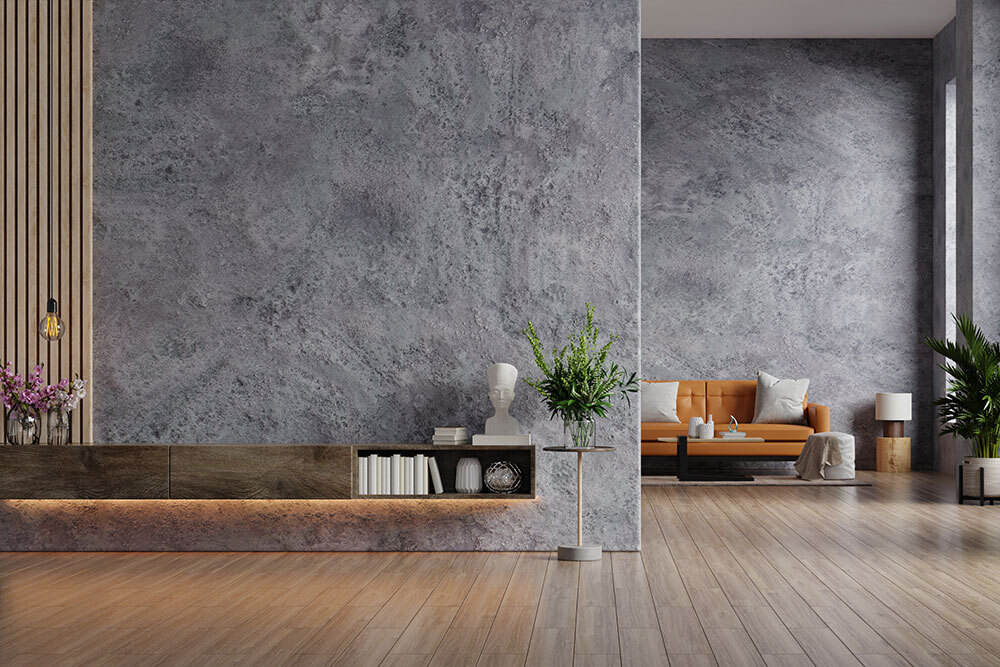
- Concrete: Offers a modern, minimalistic feel with raw edge sophistication.
- Stucco: Perfect for Mediterranean or Southwest-inspired interiors.
- Wallpaper with raised patterns: Effortless and elegant, offering 3D texture without structural changes.
These textured wall decor features anchor the style of the room while enhancing the overall experience.
3. Texture Through Paint Techniques
Not all texture requires structural change. Paint can be manipulated to mimic or enhance texture:
- Sponging: Creates a mottled, organic effect.
- Brushed-on glaze: Adds depth and shimmer.
- Troweled finishes: Mimics Venetian plaster or limewash.
- Crackle technique: Gives vintage character to accent walls.
These methods add nuance to color and elevate the plain wall.
4. Wall Panels and Architectural Additions
Paneling adds both historical charm and modern edge:
- Beadboard: Quintessential in coastal and cottage spaces.
- Board and batten: Creates a structured, rhythmic look.
- Wainscoting: Adds elegance in dining and entry spaces.
- 3D Panels: Bold and artistic, often used as statement backdrops.
Integrating these as textured wall decor features brings in visual hierarchy and sophistication.
5. Accent Walls: A Subtle or Bold Move
An entire room of textured walls may feel overwhelming. An accent wall offers balance:
- Use behind beds, fireplaces, or TV units for maximum effect.
- Combine texture with color contrast for extra drama.
- Pair with minimalist furnishings to allow the wall to shine.
Accent walls are a controlled way to experiment with impact.
6. Natural Materials for Organic Texture
Nature is the master of imperfection and beauty:
- Stone cladding: Adds rugged grandeur.
- Bamboo panels: Sustainable and airy.
- Cork walls: Insulative and unexpected.
- Reclaimed wood: Full of history and narrative.
These elements bring tactile storytelling to life. As textured wall decor features, they support biophilic design and sensory connection.
7. Lighting + Texture: A Dynamic Duo
Light reveals texture. Use illumination to emphasize details:
- Install sconces to cast shadows on uneven surfaces.
- Use wall washers to graze textured surfaces with ambient light.
- Place directional spotlights on focal textures.
The interplay between light and wall surfaces can evoke serenity, drama, or movement.
8. Sculptural Wall Art for Added Depth
Sometimes, texture doesn’t need to be embedded in the wall but layered atop it:
- Macrame tapestries
- Metal wall sculptures
- Fabric or leather installations
- Shadow boxes and mixed-media art
These artful textured wall decor features introduce dynamic contrast and a sense of curation.
9. Minimalism with Texture
Texture doesn’t always equal complexity. In minimalist interiors, it adds subtle depth:
- Use white-on-white schemes with textured plaster.
- Pair light woods and microcement for soft contrast.
- Layer smooth and coarse surfaces to maintain visual interest.
Texture becomes the design element in spaces where form is favored over ornamentation.
10. Mixing Textures for Contrast
Balance is key when combining textures:
- Pair smooth with rough (e.g., matte plaster with stone).
- Use contrast in scale: fine wallpaper embossing with oversized tiles.
- Consider material weight: heavy brick with light fabric wall hangings.
Diversity in texture adds richness but requires intentional composition.
11. Textured Niches and Built-Ins
Architectural features are perfect spots for experimentation:
- Line a bookshelf wall with slatted wood.
- Use herringbone tile for recessed nooks.
- Frame a reading corner with shiplap.
Such textured wall decor features add personality and spatial definition.
12. Kid- and Pet-Friendly Texture Options
Choose durable and safe materials:
- Washable 3D wallpapers
- Soft cork boards that double as pin-up spaces
- Wipeable faux brick or stone panels
- Fabric-wrapped acoustic panels
Family homes benefit from tactile features that are both functional and forgiving.
13. Texture as a Backdrop to Collections
Let texture elevate other design elements:
- Display a ceramic collection on a raw concrete wall.
- Mount photography on a wood-clad backdrop.
- Showcase vintage finds against exposed brick.
Your textured wall decor features should complement rather than compete with your collectibles.
14. Accent Paint Colors with Texture
Combine saturated colors with physical depth:
- Navy blue limewash for drama.
- Terracotta stucco for warmth.
- Charcoal Venetian plaster for opulence.
The fusion of color and texture creates a wall that feels alive.
15. Smart Textures in Small Spaces
Compact rooms benefit from vertical or lightweight texture:
- Vertical panels to draw the eye upward.
- Subtle woven wall hangings to soften the space.
- Metallic-textured wallpapers to bounce light.
These adjustments make tight spaces feel layered, not cramped.
16. Eclectic Interiors: Where Texture Shines
When eclectic is your style, texture becomes the common thread:
- Mix tribal textiles with industrial backdrops.
- Pair glossy tile with rattan wall panels.
- Frame painted murals with carved wood moldings.
The more you mix, the more texture anchors the visual symphony.
17. Seasonal Texture Transitions
Change textures to reflect the season:
- Add warm wool tapestries in winter.
- Swap in light cotton or jute in summer.
- Use removable wallpaper for fresh seasonal palettes.
These updates keep your textured wall decor features relevant and refreshing year-round.
18. Eco-Friendly and Sustainable Textures
Choose with conscience:
- Use reclaimed or FSC-certified wood.
- Opt for limewash and clay-based plasters.
- Explore recycled fabric panels.
Environmentally friendly choices add texture with purpose.
19. Texture Meets Technology
Modern innovations bring new texture experiences:
- Digital murals with tactile overlays
- LED-embedded panels with motion-reactive surfaces
- Smart tiles with warming features
These fusions blur the line between art and science.
20. Final Layer: Personalization
Texture should reflect who you are:
- Custom wall carvings
- Personal photo walls on textural backgrounds
- DIY plaster art
When chosen with heart, textured wall decor features become a signature of your style and story.
Texture is the unsung hero of home design. It turns flat walls into focal points and brings interiors to life. Whether subtle or striking, the inclusion of thoughtfully chosen textured wall decor features adds depth, energy, and individuality to any home. By balancing form, function, and feeling, you create not just a house—but a haven.