These Color Trends Are Changing Interiors in a world where personal sanctuaries have become paramount, color is wielding newfound power. This year’s interior color trend shift is rewriting the design playbook. No longer content with mere backdrops, hues are taking center stage—narrating stories, influencing moods, and morphing spaces in unexpected ways. Brace yourself for a kaleidoscopic journey through the most transformative color currents sweeping living rooms, kitchens, bedrooms, and beyond.

1. Subterranean Earth Tones
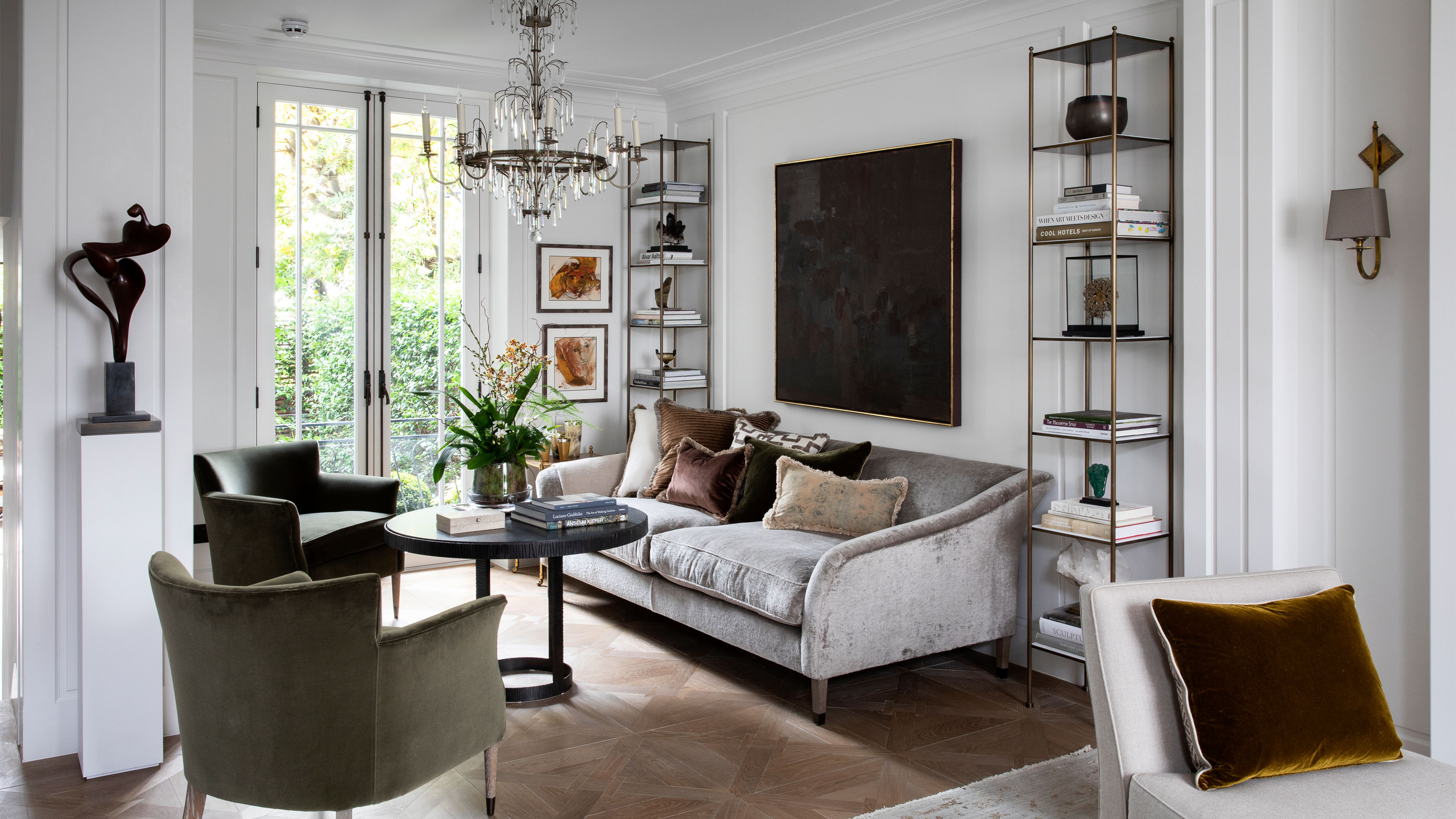
Warmth rises from the core of the earth. Shades like tobacco brown, ochre clay, and sandstone are burrowing into wall treatments and upholstery alike. Their grounding presence cultivates a sense of shelter, even in open-plan lofts. When you embrace these tones, you invite a raw, terrestrial sensibility indoors—a living gallery of earthen authenticity. Pair them with matte black iron accents and undyed linens to balance richness with restraint.
2. Luminous Biophilic Greens
Biophilia is booming. Far from the flat jungle green of yesteryear, the latest wave includes chartreuse-inflected lichen, mossy sage with a whisper of gray, and deep forest emerald. These hues create a cerebral connection to the natural world, evoking canopy dappled light and dew-kissed foliage. A single accent wall in a study or a swath of cabinetry in the kitchen can channel verdant tranquility. Complement with jute rugs and sculptural ceramics for a holistic ecosystemic vibe.
3. Muted Pastel Alchemy
Soft no longer means safe. Unconventional pastels—dusty mauve, muted pistachio, and chalky salmon—have been enriched with slivers of gray or brown undertones. This unexpected twist lends sophistication and depth, preventing these hues from drifting into saccharine territory. Use them on wainscoting, kitchen islands, or statement furniture to cast an elegant, soft-focus spell that feels simultaneously nostalgic and novel.
4. Polychromatic Layering
The era of the lone accent wall is over. Designers are now orchestrating multiple, complementary hues across walls, ceiling coffers, and trim. This prismatic approach—a true interior color trend shift—crafts immersive environments reminiscent of art installations. A gradient from pale taupe on the ceiling fading into dusty terracotta at the base, for instance, can elongate walls and cultivate a cocooning sensation.
5. High-Intensity Jewel Tones
Sapphire blue, garnet red, and amethyst violet are enjoying a renaissance as upholstery and wallcoverings. Ombré velvet sofas and lacquered cabinetry in lapis-laden finishes introduce jewel-like radiance. These saturated pigments bring opulence to mid-century modern living rooms and drama to contemporary bedrooms alike. Anchor them with warm metallics—brass, bronze, and burnished copper—to channel a luxe symphony.
6. Chalkboard and Writable Finishes
Functionality merges with artistry in writable surfaces. Chalkboard matte blacks now include deep charcoal, navy-infused black, and forest green variants. Walls, cupboard doors, and foyer panels become canvases for impromptu sketches, grocery lists, and inspirational quotes. This interactive trend reflects a shift toward dynamic interiors—ones that evolve with the household’s daily rituals.
7. Subtle Metallic Sheens
Gone are the days of blinding high-gloss. The new metallics whisper rather than shout: pewter matte, burnished gold patina, and champagne rose with a dusty finish. These nuanced sheens lend surfaces a tactile luminosity without overwhelming the senses. Think of a kitchen backsplash in muted bronze or nook cabinetry in brushed silver—elements that catch rays and dance with shadows.
8. Scarlet and Ember Accents
Deep red is being recast in smoldering, ember-like iterations. Think garnet ash, brick kiln, and burgundy soot. These intense, warm-toned reds are being used sparingly as punctuation—the occasional armchair, a set of throw pillows, or a solitary fireplace surround. Their incendiary quality enlivens neutral palettes and underscores moments of design defiance.
9. Desert Dune Neutrals
Desertscapes—from Martian rust to Sahara sand—are informing a spectrum of neutrals. These hues possess an intrinsic warmth and slight terracotta inflection. They blend seamlessly with bleached timbers, raw stone, and macramé textiles. Walls, ceiling beams, and shelving units rendered in these hues conjure windswept vistas, evoking both serenity and stark grandeur.
10. Futuristic Neon Contrasts
In contrast to organic palettes, neon accents are electrifying minimal interiors. Violet-infused ultraviolet, lime surge, and coral flash appear in graphic wall murals, LED-integrated headboards, and sculptural lighting. The splash of hyper-saturated color against a largely neutral backdrop creates a jolt—a visual exclamation that signals forward-thinking design.
11. Celestial Purples
Space-inspired lavender smoke, mauve dusk, and indigo twilight are emerging as statement-makers. These celestial purples capture the enigma of dusk skies and interstellar halo effects. They work beautifully in bedrooms and meditation corners, where a touch of otherworldly calm is desired. Accentuate with mirrored metallics and iridescent textiles for an ethereal tableau.
12. Layered Neutrals with Undertones
Neutral has been redefined. Undertones of pink, green, and violet are infusing creams, beiges, and grays with unexpected vitality. A single neutral tone can read differently under daylight versus incandescent glow, revealing hidden chromatic subtleties. By layering neutrals with varying undertones, a space gains depth, warmth, and an almost camouflaged complexity.
13. Oceanic Blues and Teals
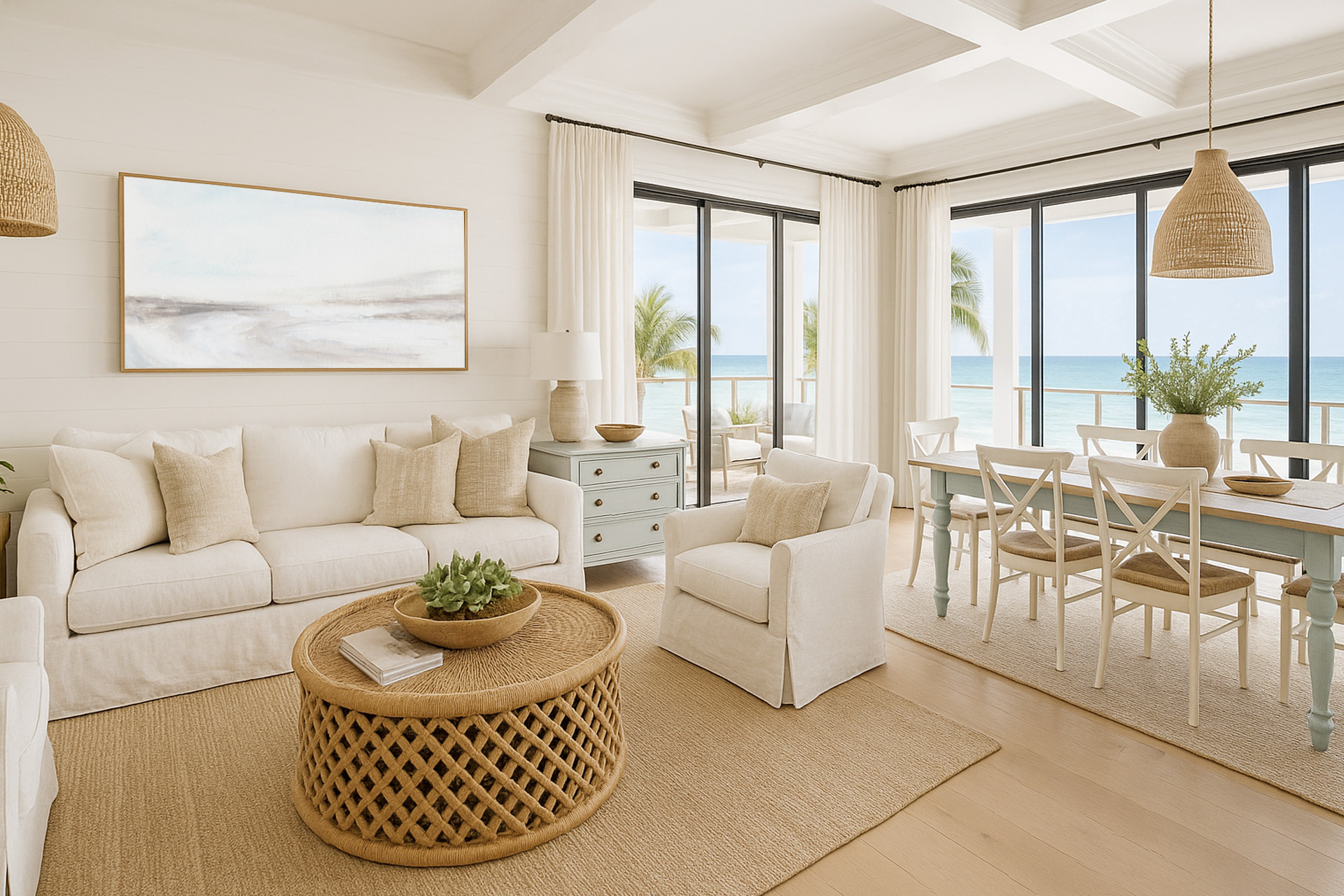
Marine-inspired hues continue commanding attention. A fluid spectrum—sea-glass teal, stormy slate blue, and abyssal navy—brings aquatic drama indoors. These colors, when paired with rattan furniture and driftwood accents, evoke the ebb and flow of tides. Accent pillows, area rugs, and vases in these shades can refresh any room with a coastal undercurrent.
14. Ember-Infused Yellows
Yellow’s primary cheer is evolving. Ember-inflected marigold, honey sputter, and ochre dusk weave warmth without saccharine undertones. They perform particularly well in dining rooms—where conviviality thrives—yet also enliven foyers and home offices. Use judiciously to illuminate corners without overwhelming the visual equilibrium.
15. Gradient and Ombre Installations
Walls are becoming canvases for subtle ombrés that transition across a spectrum—sunset pink to burnt orange, cerulean to indigo, or sage to moss. These gradients foster a sense of movement and fluidity, infusing rooms with an abstract, painterly quality. Embrace them on alcove interiors or ceiling transitions to craft athletically cocooned spaces.
Integration Guidelines
- Start Small: Introduce bold shifts via accent elements—pillows, throws, art frames—before committing to full-room applications.
- Texture Matters: Contrasting matte and gloss finishes, boucle and velvet textiles, or smooth plaster and rough stone augment color perception.
- Balance Boldness: For every vibrant hue, counterbalance with whispery neutrals to avoid visual overload.
- Layer Light: Experiment with different light sources—ambient, task, accent—to reveal the multifaceted nature of each shade.
The interior color trend shift of today is not a fleeting fad but a profound recalibration of how we inhabit and experience our surroundings. By harnessing these dynamic palettes—from subterranean earth tones to neon futurism—you can orchestrate rooms that feel alive, emotive, and undeniably you. Let color be your collaborator, not your afterthought, and watch your interiors transform into vivid expressions of personality and purpose.