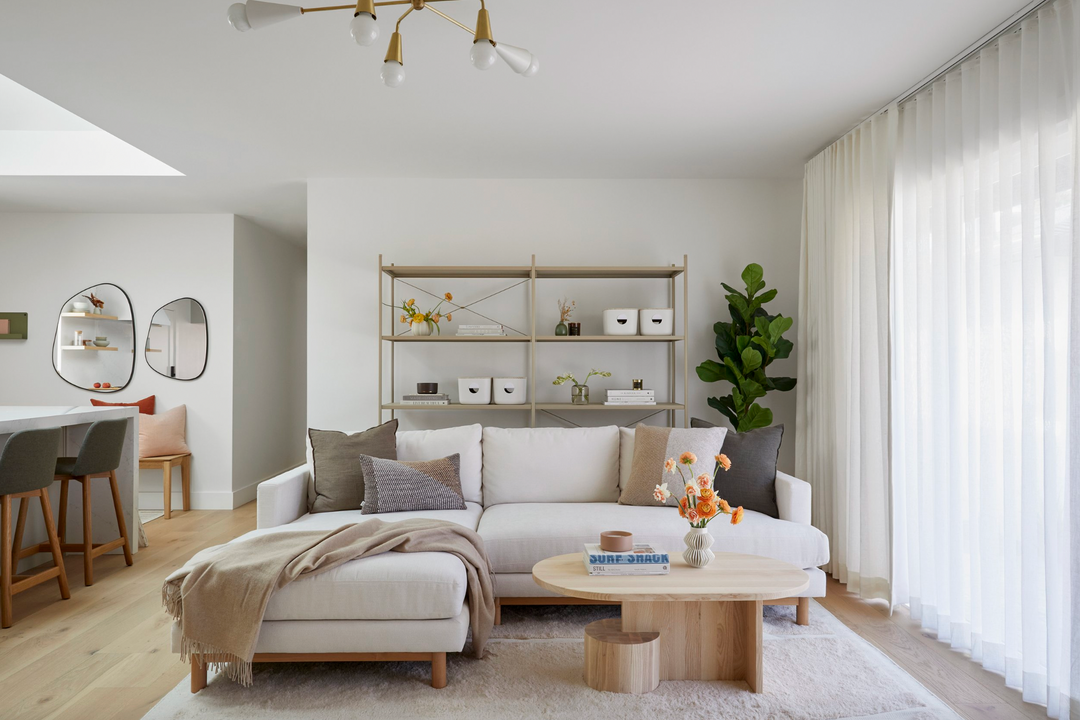
Zen Home Decor to Relax With creating a serene sanctuary begins with intentional design. A space imbued with tranquility soothes the mind and revitalizes the spirit. Embrace zen relaxing decor elements to craft an environment that feels both minimalist and nurturing. These principles fuse natural materials, mindful arrangements, and sensory harmony, cultivating calm in every corner.

1. Embrace Wabi-Sabi: Beauty in Imperfection
Find elegance in the unrefined. Wabi-sabi celebrates the imperfect, the transient, and the authentic. Incorporate:
- Uneven Ceramics: Hand-thrown bowls with irregular rims.
- Reclaimed Timber: Weathered planks showcasing age.
- Textured Plasters: Walls finished in lime plaster with variegated trowel strokes.
This philosophy underpins zen relaxing decor elements, grounding spaces in humility and warmth.
2. Neutral Palette Foundations
Color influences mood. Establish a base of subdued hues:
- Earthy Taupes and Greiges: Muted neutrals evoke quiet landscapes.
- Soft Whites: Warm undertones diffuse light gently.
- Pale Sage or Misty Blue Accents: Subtle nods to nature’s calm.
These core tones serve as a canvas for zen relaxing decor elements, ensuring visual serenity.
3. Declutter and Define Space
Clutter disrupts flow. Simplify by:
- Concealed Storage: Built-in cabinets with seamless fronts.
- Selective Minimalism: Retain only items with clear function or meaning.
- Boundary Zones: Define areas for rest, work, and ritual with rugs or sliding panels.
A streamlined environment is a foundation of authentic zen relaxing decor elements.
4. Natural Materials: Tactile Tranquility
Integrate materials that connect you to the earth:
- Bamboo and Rattan: Lightweight and renewable, perfect for furniture and screens.
- Stone and Slate: Polished or raw, use in flooring or accents.
- Organic Cotton and Linen: Breathable fabrics for bedding and curtains.
These tactile choices exemplify zen relaxing decor elements, promoting sensory calm.
5. Low-Profile Furniture for Grounding
Furniture should feel rooted:
- Floor-Level Seating: Tatami mats, zabutons, or low platform sofas.
- Platform Beds: Simple frames close to the floor.
- Minimalist Tables: Shallow, wide coffee tables in wood or stone.
Limiting vertical bulk supports zen relaxing decor elements through spatial harmony.
6. Biophilic Accents: Bringing the Outside In
Nature is inherently soothing. Include:
- Potted Ficus and Bamboo: Simple silhouettes that purify air.
- Moss Walls and Terrariums: Living art that requires minimal care.
- River Rock Arrangements: Collections of smooth stones in trays.
These living installations reinforce zen relaxing decor elements, fostering well-being.
7. Layered Lighting for Ambiance
Soft, diffuse light encourages relaxation:
- Ambient Glow: Concealed cove LED strips or rice-paper lanterns.
- Task Illumination: Adjustable reading lamps with warm LEDs.
- Accent Points: Candlelight votives and tea lights in ceramic holders.
Balanced illumination is essential among zen relaxing decor elements.
8. Shoji Screens and Sliding Panels
Flexible partitions promote flow:
- Translucent Shoji: Allow soft light while defining zones.
- Wooden Slatted Dividers: Partial visual breaks preserving openness.
- Operable Panels: Foldable or sliding to adapt spatial needs.
These add to zen relaxing decor elements, harmonizing privacy and unity.
9. Aromatherapy Rituals
Scent anchors mood. Integrate:
- Incense and Smudge Sticks: Palo santo or sandalwood for gentle cleansing.
- Essential Oil Diffusers: Ultrasonic devices diffusing lavender or eucalyptus.
- Herbal Bundles: Dried lavender or sage tied with twine.
Olfactory cues complete the suite of zen relaxing decor elements.
10. Meditative Corners
Designate spaces for reflection:
- Zafu and Zabuton Sets: Traditional meditation cushions and mats.
- Altar Niches: Small shelves for meaningful tokens or candles.
- Visual Focus Points: Simple artwork or a single bonsai tree.
These retreats are vital zen relaxing decor elements, nurturing mindfulness.
11. Textural Contrast: Soft and Hard
Juxtapose textures to enrich sensory experience:
- Stone Basins with Wooden Vanity: Warm-cool interplay.
- Wool Rugs on Polished Concrete: Inviting underfoot softness.
- Cotton Throws over Metal Frames: Tactile warmth meets industrial strength.
Such dualities underscore zen relaxing decor elements through balanced contrasts.
12. Curated Soundscapes
Sound shapes atmosphere. Consider:
- Water Features: Small tabletop fountains with gentle flow.
- Tibetan Singing Bowls: Resonant instruments for ritual and serenity.
- Minimalist Audio: Ambient playlists through concealed speakers.
Auditory layers complete the immersive zen relaxing decor elements.
13. Mindful Art and Symbolism
Select art that aligns with peaceful ethos:
- Monochrome Ink Washes: Subtle brushworks evoking landscapes.
- Minimalist Photography: Black-and-white images of misty horizons.
- Woven Wall Hangings: Abstract patterns in natural fibers.
Intentional artworks reinforce zen relaxing decor elements, guiding calmness.
14. Seamless Transitions Between Indoors and Out
Blur boundaries gently:
- Wide-Opening Doors: Retractable glass walls or bifold panels.
- Outdoor Platforms: Decks at floor level extending interior materials outside.
- Rock Gardens: Incorporate gravel and stepping stones near entrances.
This flow accentuates zen relaxing decor elements, inspiring unity with nature.
15. Ritualistic Textiles: Layered Softness
Introduce tactile rituals:
- Kotatsu Tables: Heated low tables draped in heavy covers.
- Sheer Linen Curtains: Diffuse sun and cast gentle shadows.
- Knitted Throws and Floor Cushions: Encourage lounging and warmth.
Fabric interplay is central to zen relaxing decor elements, offering comfort.
16. Practical Minimalism
Function supports peace. Incorporate:
- Hidden Storage Benches: Seating with lift-up tops.
- Floating Sinks: Wall-mounted basins freeing floor space.
- Multi-Purpose Furniture: Ottomans that double as side tables.
Efficiency without visual noise embodies zen relaxing decor elements.
17. Seasonal Adaptations
Refresh with subtle seasonal nods:
- Winter: Heavier throws in muted hues.
- Spring: Light cotton cushions and fresh blossoms.
- Autumn: Earth-toned rugs and dried foliage.
- Summer: Breezy linens and citrus-scented diffusers.
Responsive decor stays aligned with zen relaxing decor elements, honoring cycles.
18. Recessed Display Niches
Showcase treasured objects with restraint:
- Simple Ceramic Vases: Single-stem arrangements.
- Stone Incense Holders: Minimal carvings resting in alcoves.
- Monochrome Sculptures: Quiet forms in subtle lighting.
These vignettes exemplify zen relaxing decor elements, highlighting stillness.
19. Harmonized Patterns: Subtle Repetition
Patterns unify without crowding:
- Tone-on-Tone Geometrics: Softly contrasting motifs on rugs or textiles.
- Linear Grain Repeats: Vertical wood slat ceilings or paneling.
- Minimalist Ikat: Abstract blurred lines in neutral bands.
Controlled repetition reinforces zen relaxing decor elements through coherence.
20. Living with Intention
A zen home evolves gently:
- Observe daily how each element influences mood.
- Edit periodically, letting go of items that disrupt tranquility.
- Add only what aligns with your ethos of calm.
This mindful curation encapsulates the essence of zen relaxing decor elements, ensuring your home remains a bastion of relaxation and renewal.