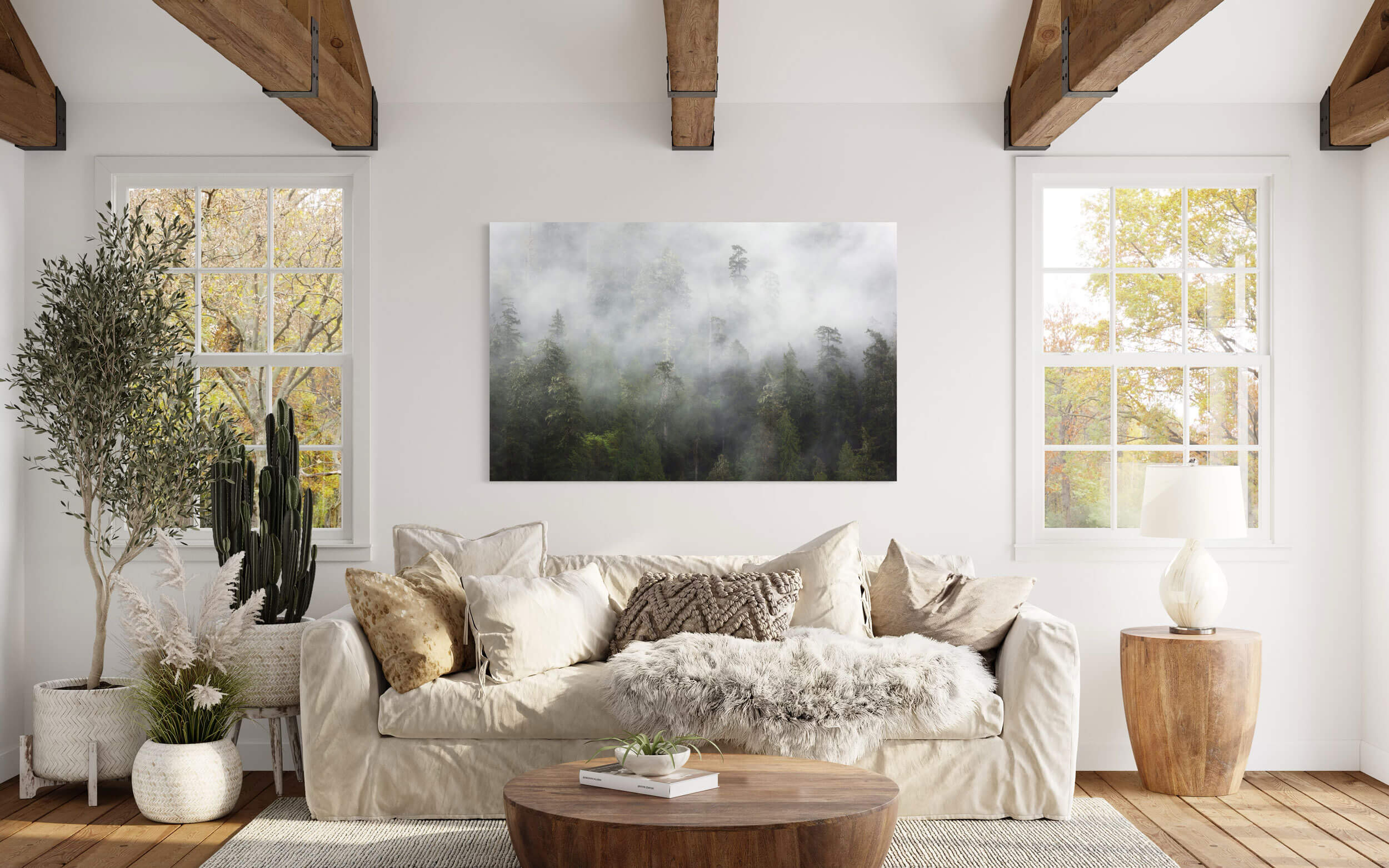
Biophilic Interior Design to Refresh nature is the ultimate designer. By integrating organic elements into built environments, interiors become sanctuaries of well‑being. Biophilic refreshing room design harnesses daylight, vegetation, natural materials, and sensory cues to invigorate mind and body. This comprehensive guide explores the philosophy, core principles, elemental strategies, room‑by‑room applications, and advanced techniques for crafting spaces that feel alive, restorative, and refreshingly green.

1. The Case for Biophilia
Humans possess an innate affinity for nature, a concept known as biophilia. Studies reveal that exposure to natural light, greenery, and organic textures reduces stress, improves cognitive function, and accelerates healing. In the context of interiors, biophilic refreshing room design activates this profound connection by embedding living systems, natural analogues, and sensory stimuli into daily life. The result: rooms that breathe, soothe, and renew.
Short. Then long: By weaving verdant elements with architectural finesse, one achieves environments that transcend décor—spaces that pulse with life and nurture human health.
2. Core Principles of Biophilic Design
- Direct Nature Access
Incorporate living plants, water features, and daylight. - Indirect Nature Representation
Use natural materials, botanical patterns, and nature‑inspired colors. - Spatial Variability
Create microclimates—sunlit alcoves, shaded nooks, breezy patios. - Dynamic Ambience
Embrace natural light rhythms and airflow instead of static conditions. - Sensory Enrichment
Activate sound (birdsong, water), scent (herbs, florals), and texture (wood grain, stone). - Refuge & Prospect
Design sheltered corners for privacy (refuge) and vantage points overlooking activity or views (prospect).
Uncommon term: âme‑locale—the unique atmosphere engendered by the interplay of natural elements in a space.
3. Light as Living Material
3.1. Maximizing Daylight
Floor‑to‑ceiling windows, clerestories, and skylights channel sunlight deep into interiors. Light shelves—horizontal projections—reflect UV‑filtered beams onto ceilings, brightening even remote corners.
3.2. Light Diffusion
Sheer linen curtains and fritted glass scatter glare into a gentle luminance. The interplay of light and shadow (known as chiarolucent layering) animates textures and fosters circadian alignment.
3.3. Artificial Augmentation
When daylight wanes, tunable‑white LEDs replicate sunrise to sunset color shifts. Warm amber at dusk simulates firelight, promoting relaxation, while cool white aids focus by day.
4. Vegetation & Living Systems
4.1. Potted Plant Strategies
Groupings of varying heights—tall Ficus, mid‑level rubber plants, and tabletop succulents—create verdure vignettes. Self‑watering planters and hydroponic shelves ease maintenance.
4.2. Living Walls
Modular panels with moss, ferns, or tropical epiphytes provide vertical greenery. They purify air and add a sculptural quality to walls.
4.3. Indoor Gardens
Terrariums, bonsai stands, and miniature rock gardens introduce contemplative microcosms. A shallow water bowl with floating lotus evokes serenity.
5. Materials & Textures: Tectonic Textures
- Wood: Unfinished ash, walnut live‑edge slabs, bamboo lattices.
- Stone: Honed granite, slate steps, travertine thresholds.
- Textiles: Hemp rugs, flax linen drapes, nubby wool throws.
- Surfaces: Limewash plaster, grasscloth wallpaper, hand‑knit poufs.
This layering of tectonic textures fosters tactile engagement and reinforces the natural narrative.
6. Color & Pattern: Organic Palette
6.1. Earthbound Neutrals
Clay beige, riverstone gray, driftwood taupe evoke grounds and stones.
6.2. Botanical Accents
Fern green, petal pink, berry purple enliven corners and draw the eye.
6.3. Sky & Water Hues
Mist blue, lagoon teal, cloud white reflect open air and water surfaces.
6.4. Pattern in Nature
Leaf‑vein motifs, woodgrain striations, and pebbled textures can appear on textiles or accent walls, offering a biomorphic resonance.
7. Water & Acoustic Cues
7.1. Fountains & Cascades
Small tabletop fountains produce aqua murmuration—the soothing trickle of moving water. Recessed troughs under planters double as humidifiers and sound dampers.
7.2. Reflective Ponds
Indoor reflecting pools enlarge perceived space and mirror overhead details.
7.3. Acoustic Softeners
Cork wall panels, textile hangings, and jute rugs absorb noise, creating a hushed ambiance reminiscent of forest understories.
8. Spatial Layout & Flow
- Refuge Corners: Enclosed nooks with low seating and soft lighting offer psychological safety.
- Prospect Vantages: Overlooks to gardens or living rooms provide expansive views.
- Circulation Paths: Winding walkways flanked by planters evoke garden strolls.
- Threshold Moments: Sliding bamboo screens or living partitions create moments of transition and anticipation.
This dynamic choreography assures a continuously evolving biophilic refreshing room design.
9. Room‑by‑Room Implementation
9.1. Living Room
- Walls: Vertical living wall panel behind the main sofa.
- Floor: Wide‑plank oak with a sisal rug anchoring seating.
- Seating: Curved linen sofa facing a low teak coffee table.
- Plants: Tall Fiddle‑leaf fig in a woven basket; pothos vines in suspended concrete planters.
- Lighting: Skylight above reading nook; pendant over seating in hand‑blown green glass.
- Accents: Terra cotta amphora, stone spheres, and a clustered ceramic fountain.
Long: The combination of direct vegetation, natural textures, and softly filtered light creates a living tableau—biophilic refreshing room design at its most immersive.
9.2. Kitchen
- Cabinets: Maple fronts with integrated recessed pulls.
- Countertops: Honed soapstone with a veined marble island extension.
- Backsplash: Hand‑pressed green-tinted glass tile.
- Plants: Culinary herb rail above the sink; trailing mint in small terracotta pots.
- Lighting: Under‑cabinet LED strips; skylight above cooking zone.
- Accents: Live-edge wood shelves displaying stoneware.
Short. Then long: Cooking becomes a multisensory ritual amid herbs, stone, and sunlit surfaces—a kitchen reimagined as an urban grotto.
9.3. Bedroom
- Walls: Mist‑blue limewash with a headboard wall clad in reclaimed cedar slats.
- Bed: Low platform in walnut, layered with organic cotton and wool bedding.
- Rug: Hand‑woven hemp beneath the bed’s perimeter.
- Plants: Peace lilies on bedside pedestals; air plants in a driftwood frame.
- Lighting: Paper lantern pendant; dimmable sconces for tasks.
- Accents: Himalayan salt lamps and a small tabletop fountain.
Long: The interplay of wood, water, and soft light crafts a cocoon of stillness—biophilic refreshing room design rendered intimate and restorative.
9.4. Bathroom
- Tiles: Large limestone slabs with honed finish.
- Vanity: Live-edge oak countertop with an integrated basin carved from limestone.
- Plants: Ferns in recessed niches; moss mats by the tub.
- Water Feature: Wall-mounted stone cascade beside the shower.
- Lighting: Skylight above vanity, recessed LED trough along ceiling perimeter.
- Accents: Bamboo ladder towel rack; ceramic incense burner.
Short. Then long: Bathing becomes a ceremony of immersion into elemental textures—stone, wood, and lichen adorning every surface.
9.5. Home Office
- Desk: Bamboo‑veneered top with blackened‑steel legs.
- Chair: Woven rattan seat with a low profile.
- Plants: Terrarium of succulents and air plants; small bamboo grove in corner.
- Lighting: Clerestory window; adjustable task lamp in antique copper.
- Accents: Chalkboard wall framed in reclaimed pine.
Long: Focus thrives amid plants and natural materials—a workspace suffused with the vitality of outdoor life.
10. Advanced Biophilic Strategies
- Air Quality Management
Integrate green walls not only for aesthetics but for air filtration—plants like spider ferns and pothos excel at removing VOCs. - Dynamic Ventilation
Operable skylights and cross‑ventilation paths reduce reliance on HVAC, allowing breezes to animate the space. - Thermal Mass Materials
Stone or concrete elements absorb heat during day and release it at night, creating a natural thermoregulatory effect. - Circadian Color Tuning
Intelligent lighting adjusts spectra and intensity to mimic natural daylight cycles, supporting sleep‑wake rhythms.
Uncommon term: “biosynchronous ambiance”—an interior that aligns environmental parameters with human biological cycles.
11. Common Pitfalls & Remedies
| Pitfall | Remedy |
|---|---|
| Overplanting | Limit to clusters; choose low‑maintenance species |
| Fussy Detailing | Opt for minimal frames and pots to let greenery stand out |
| Poor Lighting Integration | Sync daylight and artificial layers; use tunable controls |
| Clashing Materials | Stick to 3–4 core textures and repeat them subtly |
| Neglecting Maintenance | Design accessible planters; install auto‑watering systems |
12. Sustainability & Ethical Considerations
- Locally Sourced Stone & Wood: Minimize transport footprint.
- Recycled Materials: Terrazzo with recycled glass; wool rugs from reclaimed fibers.
- Native Plants: Species adapted to local climate require less water and care.
- Eco‑Friendly Finishes: Low‑VOC paints, natural waxes, and oil finishes.
Sustainability magnifies the restorative potential of biophilic refreshing room design—honoring both people and planet.
13. Uncommon Terminology to Enrich Design Dialogue
- Chiarolucent Layers: Gradations of light interacting with textures.
- Ecodynamic Textures: Material surfaces that evolve with environmental conditions.
- Verdure Vignette: A curated grouping of living plants as sculptural art.
- Biosynchronous Ambiance: Indoor conditions harmonized with circadian and seasonal rhythms.
- Tectonic Biotexture: Layered natural materials forming geological‑like strata indoors.
14. Final Reflections
Biophilic design transcends aesthetics—it is a holistic methodology to refresh mind, body, and spirit. Through biophilic refreshing room design, interiors become living ecosystems that nurture health, creativity, and well‑being. By harnessing natural light, vegetation, organic materials, dynamic systems, and circadian lighting, one crafts environments that feel vibrant and restorative. The ultimate goal: homes and workplaces that not only look beautiful but also feel alive and deeply refreshing.