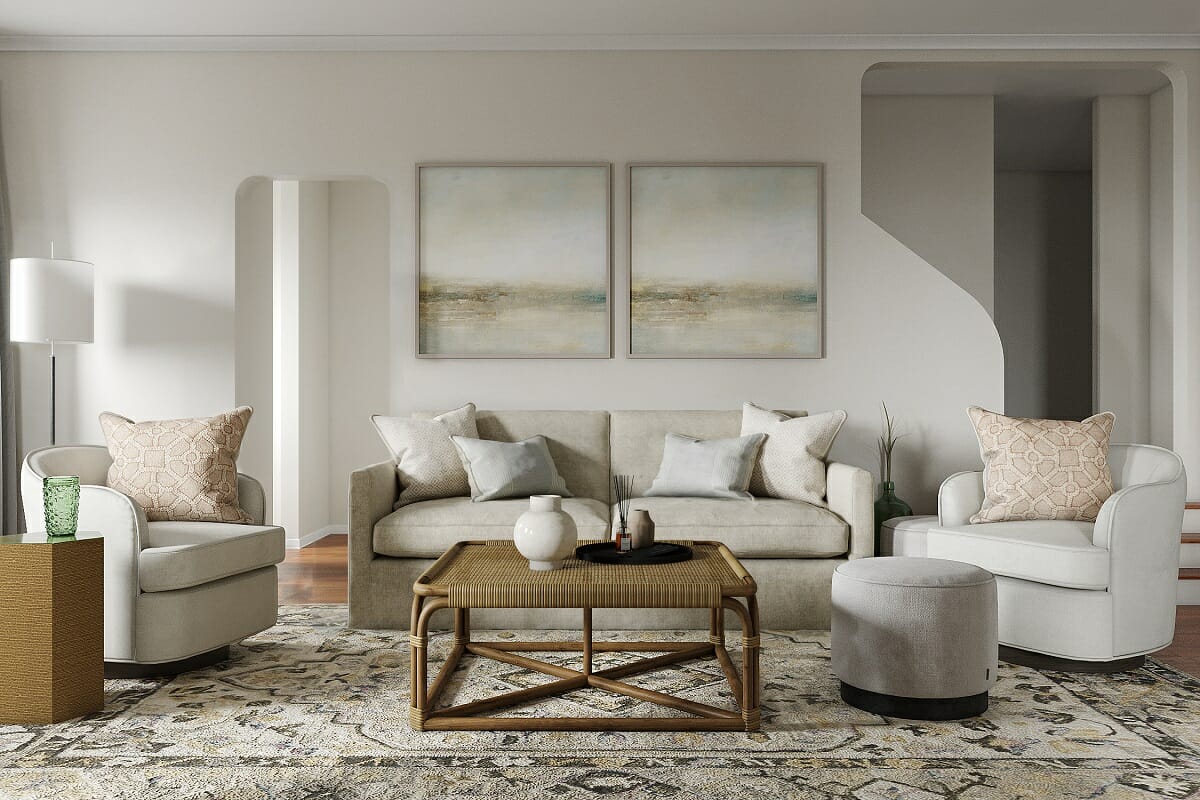
Interior Design That Grows With You change is the only constant. Homes should adapt as life evolves—new hobbies, family expansions, shifting aesthetics, or changing mobility needs. An adaptive growing room design embraces flexibility, ensuring spaces remain relevant, functional, and inspiring across years. This guide explores how to craft interiors that morph effortlessly with your needs, blending modularity, timeless materials, and anticipatory details into environments that grow alongside you.
Short. Then long: By weaving scalable furnishings, transformable layouts, and responsive finishes, one achieves a choreography of space that unfolds in concert with life’s unfolding narrative.

1. The Philosophy of Perpetual Evolution
Spaces often become obsolete as tastes or requirements shift. Instead of static designs, consider a home as a living organism, capable of adaptation. An adaptive growing room design harnesses principles from responsive architecture, modular furniture systems, and anticipatory planning to ensure longevity. It’s not about fleeting trends but creating a resilient foundation that embraces change with grace.
2. Core Principles of Adaptive Interiors
- Modular Flexibility
Furniture units that reconfigure—sectionals that break into chairs, shelving that shifts on tracks. - Zoned Scalability
Delineate activity zones (work, rest, play) with lightweight partitions or multi‑height platforms that can expand or contract. - Anthropometric Fluidity
Adjustable heights and depths on desks, countertops, and seating to accommodate growth, aging, or diverse users. - Tectonic Textures
Layer materials that endure—solid wood, honed stone, hand‑trowelled plasters—forming a timeless backdrop. - Biotonic Elements
Integrate living systems—planters on rails, modular green walls—to breathe life and evolving beauty into rooms. - Technology Integration
Concealed conduits and plug‑and‑play control modules ready for future upgrades in lighting, climate, or smart systems.
3. Spatial Framework: Laying the Foundation
3.1. Open‑Plan Canvas
Begin with an open‑plan shell. Unrestricted floor space maximizes adaptability. Install structural beams and columns rather than load‑bearing walls to enable future reconfigurations. This blank canvas becomes a palimpsestic stage, ready for successive inscriptions of activity.
3.2. Grid‑Based Layouts
Overlay a subtle grid on floors and ceilings—via recessed tracks or ceiling rails. These grids support movable walls, hanging storage, and adjustable lighting fixtures. The grid guides placement and ensures every component remains interoperative, anchoring the adaptive growing room design.
3.3. Vertical Stratification
Use height as a resource. High ceilings permit lofted platforms or suspended pods for reading nooks. Meanwhile lower zones host seating or storage. This aeriform layering exploits entire volumes, not just footprints.
4. Furniture Systems: Modularity and Mobility
4.1. Transformable Seating
Sectional sofas with removable armless units, ottomans that become side tables, chairs that stack or nest. Choose pieces with concealed casters or gliding feet for effortless relocation.
4.2. Track‑Mounted Storage
Wall cabinets on steel rails that adjust vertically. Shelves that slide laterally to expand or contract storage modules. This railway of storage fosters choreospatiality, letting inhabitants choreograph storage and display as needs change.
4.3. Multi‑Height Workstations
Desks and countertops equipped with pneumatic or electric lifts. Children, adults, and wheelchair users alike enjoy posture‑perfect ergonomics. Embrace anthropometric fluidity—furniture that listens to the body’s evolving metrics.
4.4. Collapsible Tables
Dining tables with drop‑leaf or telescoping extensions. A 4‑seater can stretch to 10 for gatherings. When small, it nestles against a wall or converts into a console table.
5. Surfaces That Stand the Test of Time
5.1. Solid Wood Foundations
Engineered wood panels with live‑edge elements for tables and counters. Over time, these develop a patina—a tectonic texture—that enriches character rather than showing wear.
5.2. Durable Stone Finishes
Quartz, granite, or porcelain slabs for high‑traffic zones. These surfaces resist scratches and stains, delivering beauty and resilience.
5.3. Adaptive Wall Treatments
Magnetic paint or rail‑based hanging systems allow art and displays to migrate without new holes. Walls can alternate between chalkboard, cork, or fabric panels to support creativity, noticeboard functions, or acoustic control.
6. Color & Light: Dynamic Ambience
6.1. Chameleon Color Schemes
Opt for base neutrals—greige, warm taupe, dove gray—that mesh with evolving accent hues. Introduce accent panels in removable vinyl or fabric that can be swapped seasonally or upon whim.
6.2. Layered Lighting Matrix
Install track lighting with adjustable fixtures. Include recessed cove lighting linked to dimming circuits. Provide task lighting with plug‑and‑play pendants. All fixtures attach via ready rails or concealed conduits for easy re‑routing.
6.3. Circadian and Mood Control
Smart bulbs that shift color temperature with time of day. Scenes programmable for “morning focus,” “evening calm,” and “party bright.” This biotonic illumination aligns interior life with natural rhythms.
7. Zones of Activity: Flexible Functionality
7.1. Adaptive Work Nook
An alcove with fold‑down desk attached to sliding panel. Shelving that adjusts to books or binders. When work is done, panels close to reveal art or a mirror.
7.2. Play and Learning Corner
A section of wall equipped with modular play panels—whiteboard, magnetic board, pegboard. Low benches house toy bins that slide out. A lofted reading pod above encourages imaginative exploration.
7.3. Hospitality Module
A cabinet with expandable bar tray, integrated cooling drawers, and hidden stemware racks. When guests arrive, surfaces extend; when they depart, everything retracts.
7.4. Rest & Retreat Suite
A bedroom with under‑bed storage drawers on wheels, a Murphy bed that folds vertically, and wall‑mounted audiovisual system that tucks away. Surfaces around the bed adapt from work to sleep seamlessly.
8. Biophilic Infusion: Rooms That Breathe
8.1. Modular Planter Rails
Ceiling‑to‑floor rails supporting swap‑out planter modules. Herbs in the kitchen, ferns in the living room, succulents in the office—each rotates with mood and season.
8.2. Living Wall Panels
Prefabricated green‑wall sections that attach like frames. Replace species easily for evolving aesthetics, phenology, or maintenance schedules.
8.3. Water Features on Demand
A fold‑down spout that reveals a shallow trough for a tabletop fountain. When not in use, panels close to mirror, restoring smooth expanses.
9. Technology & Infrastructure: Future‑Proofing
9.1. Concealed Conduits
Install under‑floor and behind‑wall raceways for power, data, and audio‑visual cables. Modular outlets that snap into place—USB, Ethernet, or smart home control—wherever needed.
9.2. Integrated Sensor Networks
Environment sensors for temperature, humidity, and air quality feed into smart hubs. Motorized shades, ventilation, or humidifiers adjust proactively, ensuring comfort as seasons shift.
9.3. Plug‑and‑Play Control Panels
Wall modules with swappable faceplates—lighting, sound, security—installed on universal backboxes. As needs change, new modules click in without rewiring.
10. Sustainability & Longevity
10.1. Reclaimed & Responsibly Sourced Materials
Local reclaimed timber, recycled metal frames, low‑VOC finishes, and GOTS‑certified textiles. These foundations last decades while aligning with ecological values.
10.2. Repair & Replace Philosophy
Design details to be serviceable. Hinges, slides, and connectors standardized so components can be swapped rather than entire units replaced.
10.3. Lifecycle Planning
Choose carpets, fabrics, and finishes with known lifespans and recycling pathways. Implement maintenance schedules to refresh rather than remodel.
11. Common Pitfalls & Remedies
| Pitfall | Remedy |
|---|---|
| Over‑modularity leading to fragmentation | Combine modular pieces into cohesive clusters; anchor with large art |
| Loss of warmth through too much minimalism | Introduce tactile textiles and warm woods to temper sleek systems |
| Hidden storage turning into junk dumps | Implement “one‑in, one‑out” policy; include clear‑front bins for visibility |
| Technology obsolescence | Use universal backboxes and upgrade only panels or modules |
| Visual chaos from too many moving parts | Maintain a consistent palette and repeat key materials for unity |
12. Uncommon Terminology to Enrich the Narrative
- Choreospatiality: The orchestrated movement patterns cultivated by modular layouts.
- Anthropometric Fluidity: Furniture and fixtures that adjust to human physical changes.
- Palimpsestic Layering: The ability of walls and surfaces to bear successive functional inscriptions.
- Biotonic Illumination: Lighting designed to sync with biological rhythms and environmental cues.
- Tectonic Textures: Layered material surfaces that provide depth without clutter.
13. Final Reflections
An adaptive growing room design transforms static living environments into dynamic companions for life’s journey. By embracing modularity, timeless materials, biophilic touches, and future‑proof infrastructure, interiors become resilient, deeply personal canvases—spaces that support who you are, and who you will become. This approach marries practicality with poetry, ensuring each room remains relevant, revitalizing, and ready for whatever comes next.