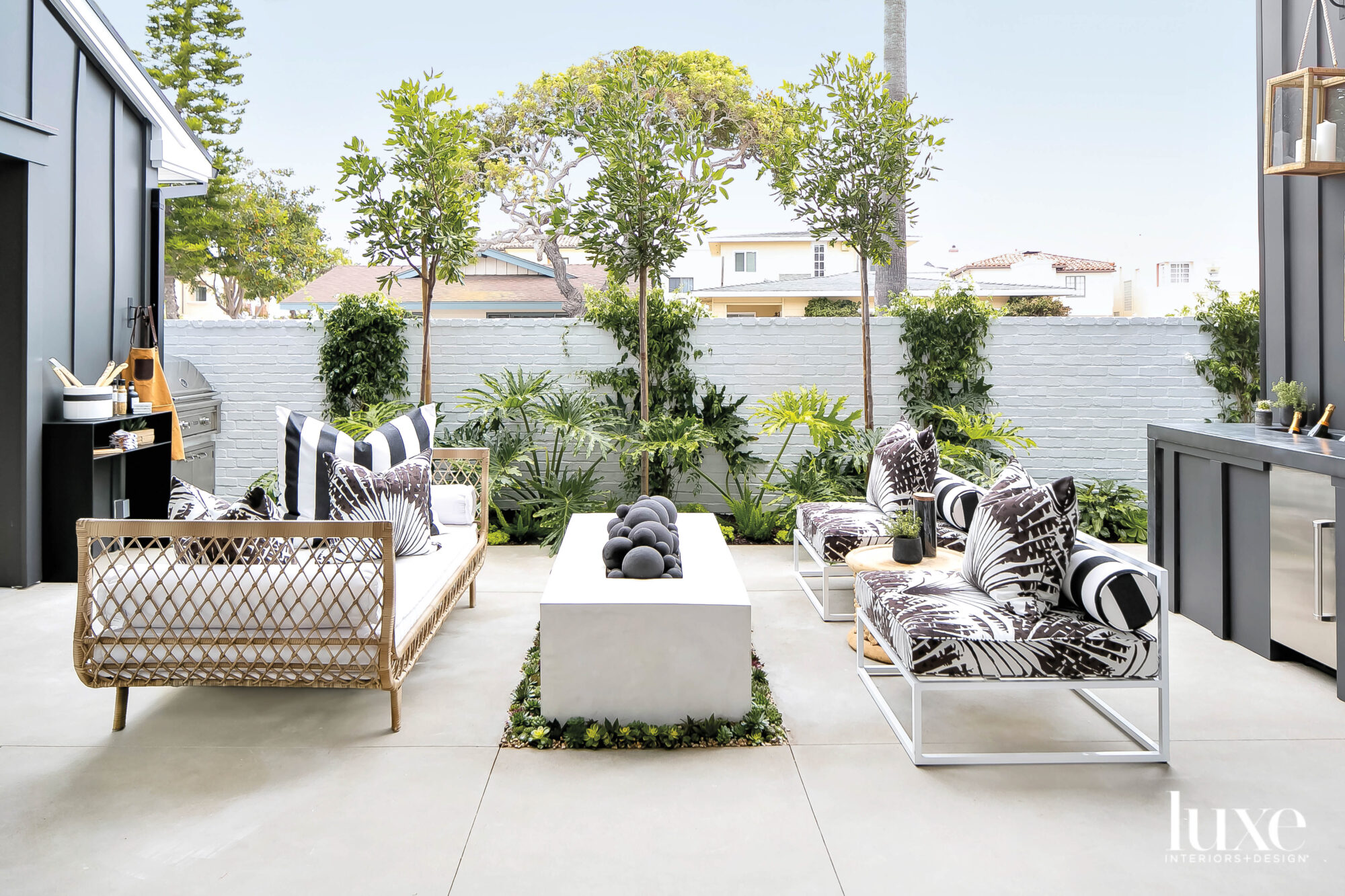
Home Decor to Boost Your Mood is a subtle yet powerful designer. A space that looks good but feels flat isn’t doing its job. Instead, a home should energize, calm, uplift, or soothe—depending on what you need. Enter mood boosting home decor, a thoughtful approach that uses color, texture, light, scent, and placement to elevate emotional well-being. In this guide, discover how to transform ordinary rooms into joyful retreats that respond to your inner rhythm.
Why Mood Matters in Your Home
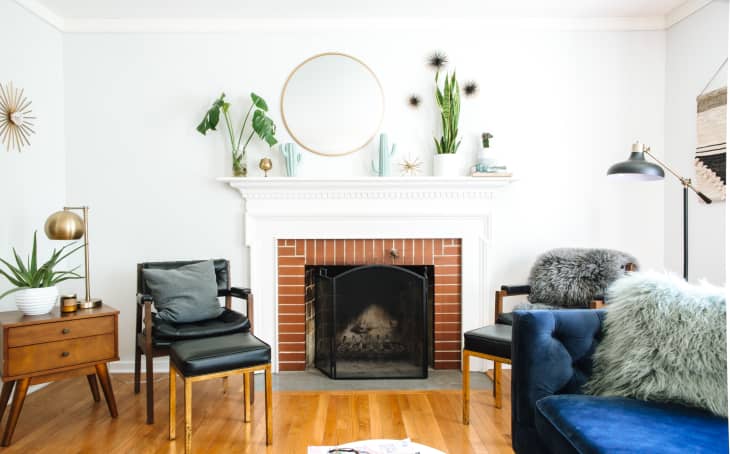
Homes are more than backdrops—they are emotional chambers. Uninspiring rooms drain energy. Under-stimulating spaces leave you reaching for comfort in less healthy ways. On the flip side, an intentional interior can comfort, invigorate, and even spark creativity. Choosing mood boosting home decor is like fine-tuning a personal instrument—each element plays a role in orchestrating emotional harmony.
Color Therapy: Paint Your Feelings
Warm Hues for Comfort
Peach, dusty rose, buttery yellow—these hues conjure warmth and welcome. Paint an accent wall, swap throw pillows, or add a honey-toned rug. They evoke a sense of being wrapped in a soft blanket.
Cool Hues to Calm
Blues, soft greens, and muted lavenders mimic sky, sea, and foliage. Use them in bedrooms and bathrooms to lower stress hormones and invite restorative energy.
Bold Shades for Energy
Fuchsia, tangerine, lime—use sparingly. A vibrant lamp, a colorful vase, or a small art piece provides a jolt of energy without overwhelming the senses.
Color Layering
Use triadic color theory: three hues equidistant on the color wheel. For example: sage green walls, terracotta accents, and deep indigo accessories. The result is vibrant harmony that feels deliberate—and cheerful.
Light Design: Let Sunshine Inside
Natural Light is Healing
Maximize daylight with sheer curtains, large windows, and mirrored surfaces. Natural light alleviates seasonal blues and enhances mood naturally.
Warm Ambient Lighting
Soft white bulbs (2700–3000K) mimic sunset hues. Use floor lamps, candles, and lanterns to build soothing layers of light. Dimmable fixtures are especially effective for mood modulation.
Accent Lighting
Highlight artwork, plants, or cozy reading corners. Uplights to shelves or low-level table lamps add depth and intimacy.
Textures That Trash Tedium
Plush Comfort
Velvet cushions, lavender-scented blankets, and faux-fur throws evoke tactile luxury and calm.
Natural Touch
Woven rattan, jute rugs, and driftwood tables bring grounding energy. These textures connect you to nature, even indoors.
Mix of Finishes
Contrast glossy ceramics with matte plaster and woven textiles. This interplay catches attention and keeps visuals engaging.
Art and Object Curation
Uplifting Artwork
Choose art infused with movement and vitality. Think abstract swirls, diamond-line geometrics, or vibrant floral photography.
Meaningful Mementos
Display photos, souvenirs, or small treasures. When your home resonates with your story, it boosts your sense of belonging.
Sculptural Accent Pieces
A bold vase or statement light fixture can feel like a mini celebration in the room.
Plant Power: Green Therapy Indoors
Lush Foliage
Low-maintenance plants like snake, monstera, or pothos purify air and calm the mind. Their green presence signals life and renewal.
Flower Color Bursts
Seasonal blooms—tulips in spring, dahlias in summer—add transitory beauty and refreshing color.
Mini Zen Gardens
A countertop tray with succulents, pebbles, or sand offers soothing touch opportunities during stressful moments.
Aroma: Invisible Mood Alchemy
Essential Oils
Citrus oils awaken. Lavender calms. Eucalyptus clears the mind. Use diffusers to control intensity.
Ink-Stained Candles
Scented candles offer gentle fragrance with a soft flicker—best for unwinding after work.
Natural Potpourri
Dried oranges, cedar bark, and cinnamon sticks add gentle fragrance without overwhelming.
Soundscaping Spaces
Embedded Audio
Discreet speakers play nature sounds or mellow tunes. Morning birdsong can enhance wakefulness.
Textiles Muffle Noise
Rugs, curtains, and cushions reduce echo and make rooms feel cozy.
Voice of Water
Small tabletop fountains add white noise and create ambient calm.
Furniture Placement: The Flow Factor
Conversation Zones
Group seating in semi-circle or L-shape to invite connection and warmth.
Solo Retreat Nooks
A single-armchair under a reading lamp fosters mindfulness and rest.
Clear Pathways
Cluttered spaces create mental tension. Aim for intuitive flow and open movement zones.
Scent, Sight, Touch: All the Senses
Floral Arrangements
Bouquets of jasmine, gardenia, or peonies add visual and olfactory pleasure.
Cozy Cushions
Textiles that invite touch—knit throws, velvet pillows—make relaxation irresistible.
Warm Metals
Brushed brass, aged copper, or peach porcelain bring shine and earthiness at once.
Personal Ritual Corners
Create zones for intentional rituals:
- A journal corner: soft light, a stack of diaries, a scented candle.
- A gratitude corner: framed daily affirmations and dried flowers.
- A music corner: record player and comfortable pillows.
Embedding small rituals enhances home’s emotional resonance.
Nature-Inspired Materials
Form follows nature. Curved furniture and pebble-shaped rugs echo natural shapes. Earthy materials—riverstone coasters, driftwood frames—invoke calm continuity with nature.
Seasonal Mood Modifiers
Spring
Pastel quilts, botanical prints, and fresh lily-of-the-valley.
Summer
Bright coral cushions, glass vases with marigolds, and citrus scents.
Autumn
Plaid blankets, burnt-orange pillows, and spiced candles.
Winter
Dark woods, evergreen wreaths, and vanilla woods candles.
Each season introduces a new emotional palette to your environment.
Balancing Energy
Kinetic decor—dangling mobiles, wind chimes—introduces movement and liveliness. But balance is key. Include still-life zones—candle trays, Zen gardens—for calm.
Minimalism with Purpose
Radiant minimalism: sparse yet meaningful. One wall hung with a dozen pinned photos, a single large plant, and a sculptural light. The focus is on items with emotional gravity. Keeps look clean and intention clear.
Wellness-Centric Additions
Adaptive Furniture
Ergonomic chairs, adjustable tables, and footstools support both posture and comfort.
Aromatherapy
Use reed diffusers with calming scents in the bedroom and citrus in social spaces.
Visual Declutter
Keep surfaces clear. Use attractive bins. A clean environment clears the mind.
Technology with Emotional Intelligence
Smart Lighting
Change light color and intensity with voice commands or apps to match mood needs.
Sound Zones
Background soundtracks—white noise at night, soft classical at day—shape daily rhythm.
Digital Photo Frames
Display rotating images of loved ones or travel to keep mood elevated.
Mood-Boosting Color Accents
Use the 60-30-10 color rule:
- 60% calm base: walls, floors
- 30% secondary colors: upholstery, rugs
- 10% accent tones: cushions, vases
Choose shades with emotional resonance—like cerulean blue for clarity, marigold for energy.
Case Examples
Sunny Living Room
Warm white walls, terracotta sofa, mustard pillows, jute rug, fiddle-leaf fig. It hums with welcoming energy.
Serene Bedroom
Pale sage walls, linen bedding, rattan headboard, lavender diffuser. It whispers rest.
Energetic Entryway
Bold artwork, bright runner, sunshine yellow bench, vase of tulips. It beams optimism before the front door even closes.
Integrating Mood with Everyday Life
Morning Start
Open drapes, silk robe, citrus reed diffuser, soft jazz. A ritual that signals the beginning of positivity.
Workday Strategy
Natural light desk placement, supportive chair, sticky plant pot, low-level lamp for late hours.
Evening Recharge
Soft lighting and candles, herbal tea station, soundtrack of floating ambient tones.
Troubleshooting Mood Hits
When rooms feel off:
- Add a mirror to increase light
- Swap out throw colors
- Introduce fresh greenery
- Change scent profile
- Rearrange furniture
These simple actions reset emotional tone instantly.
Final Thoughts
Elevating your home with mood boosting home decor isn’t a luxury—it’s a necessity for emotional well-being. It’s about understanding the interplay of light, color, texture, scent, and meaning. Start small. Choose one room. Add one rug, one plant, or one piece of art. Let the space shift your mood, little by little—until every room resonates with joy, serenity, and personality.