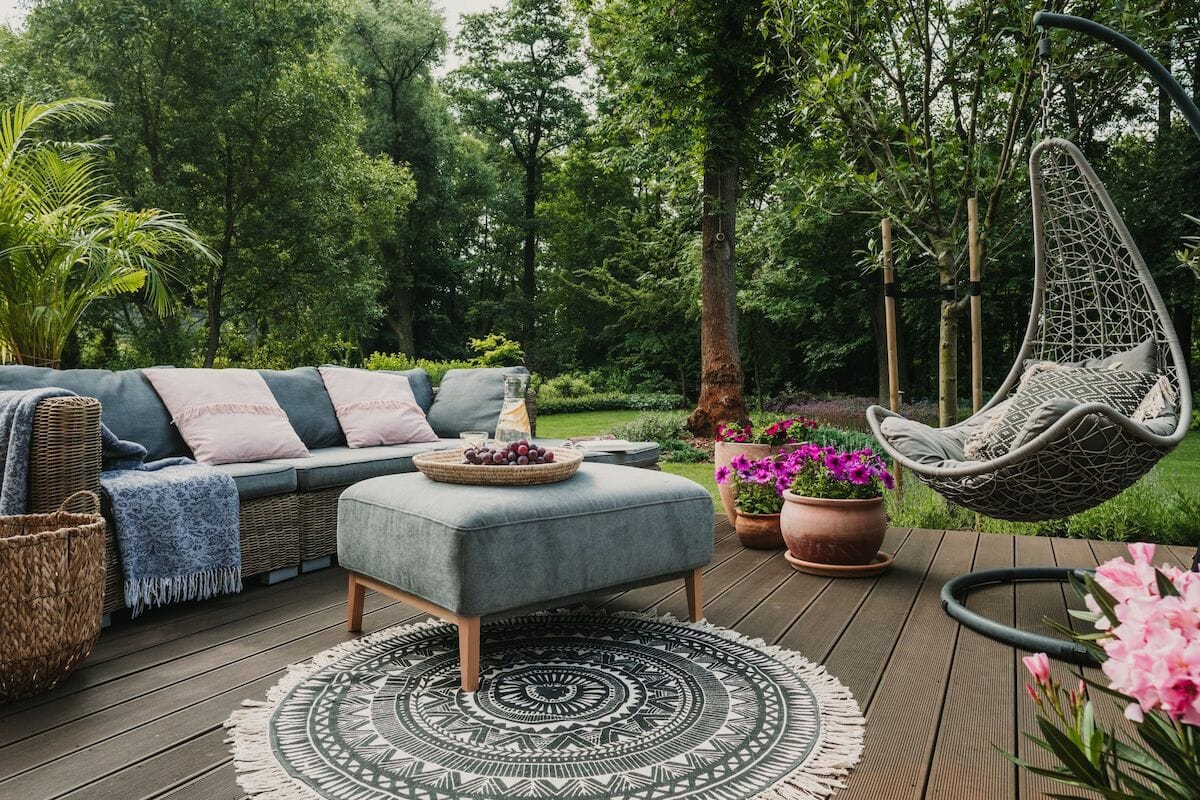
Top Color Trends Designers Are Loving Now in an ever-evolving design landscape, hues reign supreme. From sumptuous jewel tones to whisper-soft pastels, today’s leading creatives are embracing chromatic innovation with gusto. Dive into this comprehensive exploration of top designer color picks, where each section unpacks a trend beloved by tastemakers and industry visionaries alike.

1. Moody Neutrals with Depth
Designers are moving beyond flat greys and sandy beiges. Instead, they’re indulging in moody neutrals—tones infused with unexpected undertones that shift in different lights. Imagine a dove gray streaked with lavender or a taupe threaded with umber. These nuanced neutrals serve as sublime backdrops for artful accents and sculptural furnishings.
Usage Tip: Paint an entire room in a moody neutral, then layer in metallic accessories to catch and reflect ambient light.
Why It Works: Such hues evoke a contemplative ambiance, grounding spaces without rendering them austere.
2. Luscious Jewel Tones
A perennial favorite, jewel tones have returned with renewed fervor. Picture sumptuous emeralds, regal sappires, and amethyst lavenders—all rendered in velvety matte or high-gloss finishes. These saturated pigments create an atmosphere of opulence, perfect for statement walls, plush upholstery, and art pieces.
Usage Tip: Opt for a modular sofa in a deep emerald hue and complement it with brass side tables.
Why It Works: These hues channel a sense of timeless luxury, instantly elevating any interior.
3. Soft Pastel Renaissance
Pastels aren’t just for nurseries. Today’s pastels are dusted with gray or brown undertones, yielding sophisticated shades like mauve haze, chalk blue, and muted mint. This updated palette feels both fresh and mature, striking the perfect balance between playful and poised.
Usage Tip: Incorporate pastel cabinetry in the kitchen, paired with marble countertops for contrast.
Why It Works: These hues imbue lighter, airier interiors while retaining an element of warmth.
4. Earthy Clay and Terracotta
Biophilic design continues to ascend, and nowhere is it more evident than in the embrace of clay and terracotta tones. These earthen pigments foster a palpable connection to nature, evoking sunbaked landscapes and handmade pottery.
Usage Tip: Introduce terracotta through ceramic planters, accent pillows, or an accent wall inspired by Mediterranean vistas.
Why It Works: Such hues ground interiors, creating a sanctuary-like retreat that feels both organic and cohesive.
5. Futuristic Metallics
From liquid silver to iridescent copper, metallic finishes are morphing into immersive statements. Designers are applying prismatic coatings to everything from cabinetry fronts to ceiling installations, creating interiors that shimmer and shift with every angle.
Usage Tip: Use a sheath of metallic paint on a recessed niche or alcove to deliver an unexpected effulgence.
Why It Works: Reflective surfaces amplify natural light and bestow a dynamic sense of movement.
6. Biophilic Greens & Blues
Deep forest greens, olive drabs, and cerulean blues continue to captivate, nodding to the restorative power of nature. These hues work especially well in spaces intended for relaxation—bathrooms, reading nooks, and bedrooms.
Usage Tip: Wallpaper an accent wall in a botanical motif dyed in inky green, then furnish with rattan and jute for textural interplay.
Why It Works: Such tones anchor spaces in serenity, fostering an environment conducive to mindfulness.
7. Warm Minimalism
Minimalism has softened its edges. Designers now favor warm white, creamy vanilla, and blush-infused neutrals as the foundation of a pared-back aesthetic. The result is a minimalist canvas that feels inviting rather than austere.
Usage Tip: Pair warm-white walls with light-toned wood flooring and sculptural furniture for a cohesive look.
Why It Works: It retains the clarity of minimalism while adding a layer of tactile comfort.
8. High-Contrast Black & White
Monochrome remains an enduring classic, but in 2025 it’s evolving. Designers juxtapose deep ebony with chalky white in graphic patterns—hexagonal tiles, oversized stripes, or angular wallpaper—transforming interiors into living galleries.
Usage Tip: Combine a black-painted ceiling with crisp white walls to create an enveloping cocoon effect.
Why It Works: The stark opposition of light and dark heightens drama and sharpens architectural features.
9. Global-Inspired Chromatics
Worldly pigments are taking center stage. Moroccan indigos, Japanese aizome blues, and Indian turmeric yellows are popping up in textiles, tilework, and artisan ceramics. These storied hues celebrate cultural craftsmanship and tradition.
Usage Tip: Layer hand-dyed textiles in varied international motifs atop neutral upholstery for a collected vibe.
Why It Works: It weaves narrative depth into interiors, making color a vessel for storytelling.
10. Seasonless Transitional Hues
Designers are gravitating toward chameleon-like pigments—dusty rose, mellow mustard, and stormy gray—that transition effortlessly between seasons. These versatile shades eliminate the need for frequent color overhauls, ensuring interiors age gracefully.
Usage Tip: Select a stormy gray paint that reads cool in summer light and warm under winter lamps.
Why It Works: It provides longevity and continuity, adapting to shifting daylight and seasonal decor.
11. Neon Pops and Electric Accents
For the avant-garde, neon brights are staging a resurgence. Electric pinks, acid greens, and ultraviolet purples function as vibrant punctuation marks, animating minimalist backdrops and injecting audacity into urban lofts.
Usage Tip: Introduce neon via sculptural lighting or artwork that glows under blacklight for a multimedia effect.
Why It Works: Such jarring contrast captivates the eye and redefines conventional notions of “livable” color.
12. Polychromatic Layering
Gone is the single-accent-wall paradigm. Today, designers layer multiple hues—often from the same tonal family—across walls, ceilings, and trim. This prismatic approach yields a kaleidoscopic tableau without sacrificing cohesion.
Usage Tip: Paint walls in a gradient from light to dark within a single hue family, then echo the darkest shade in furnishings.
Why It Works: It creates a seamless flow and a sensation of immersive artistry.
13. Chalkboard & Writable Walls
Function meets color in writable finishes. Chalkboard paint reimagined in deep charcoal or jewel-tone variants allows homeowners to personalize spaces with drawings, notes, and seasonal motifs.
Usage Tip: Install a floor-to-ceiling writable panel in a family room or kitchen command center.
Why It Works: It introduces interactivity, transforming walls into dynamic canvases.
14. Ultra-Matte Textures
High-gloss is no longer the default. Designers are enamored with ultra-matte finishes that absorb light, offering a velvet-like tactile impression. Walls, cabinetry, and even textiles are rendered in these low-sheen marvels.
Usage Tip: Select a rich matte navy for kitchen cabinets, paired with brass hardware to punctuate luster against the muted base.
Why It Works: The absorption of light accentuates form and color depth, generating an intimate aura.
15. Soft Sunset Gradients
Gradient paint techniques are mellowing out into sunset-inspired ombrés. Walls transition from rose-gold to peach, or from lavender to powder blue, conjuring the sky’s ephemeral drama within domestic interiors.
Usage Tip: Employ a two-tone gradient in a dressing area, starting with pastel pink at the base and ascending into pale buttercup.
Why It Works: It imbues spaces with a poetic, ever-changing quality.
Every hue carries meaning, mood, and magnetism. By incorporating these top designer color picks, you’ll not only mirror the avant-garde of contemporary interiors but also curate spaces that resonate on an emotional level. Whether you lean into the depth of moody neutrals, the opulence of jewel tones, or the interactive allure of writable walls, today’s trends offer boundless avenues for expression. Embrace the palette revolution and let color be your compass in crafting a home that’s both gallery-worthy and irresistibly inviting.
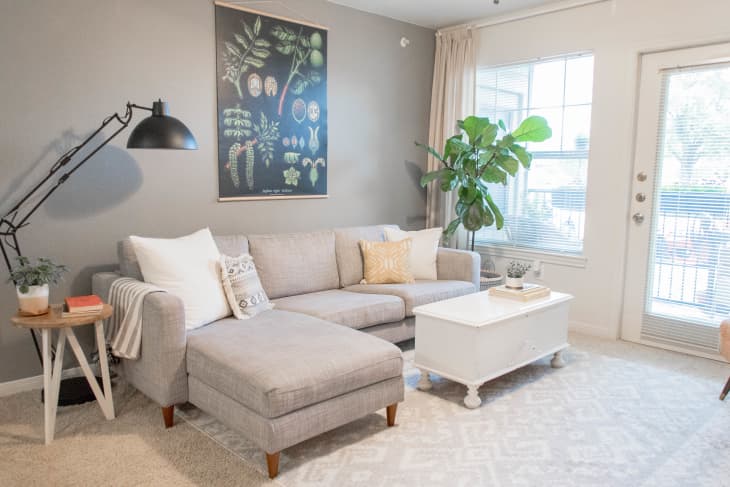
:strip_icc()/STAINMASTER_Truffle_2-105d5fb051df424890e4f17416a4ad42.jpg "Color Trends That Blend Old and New")