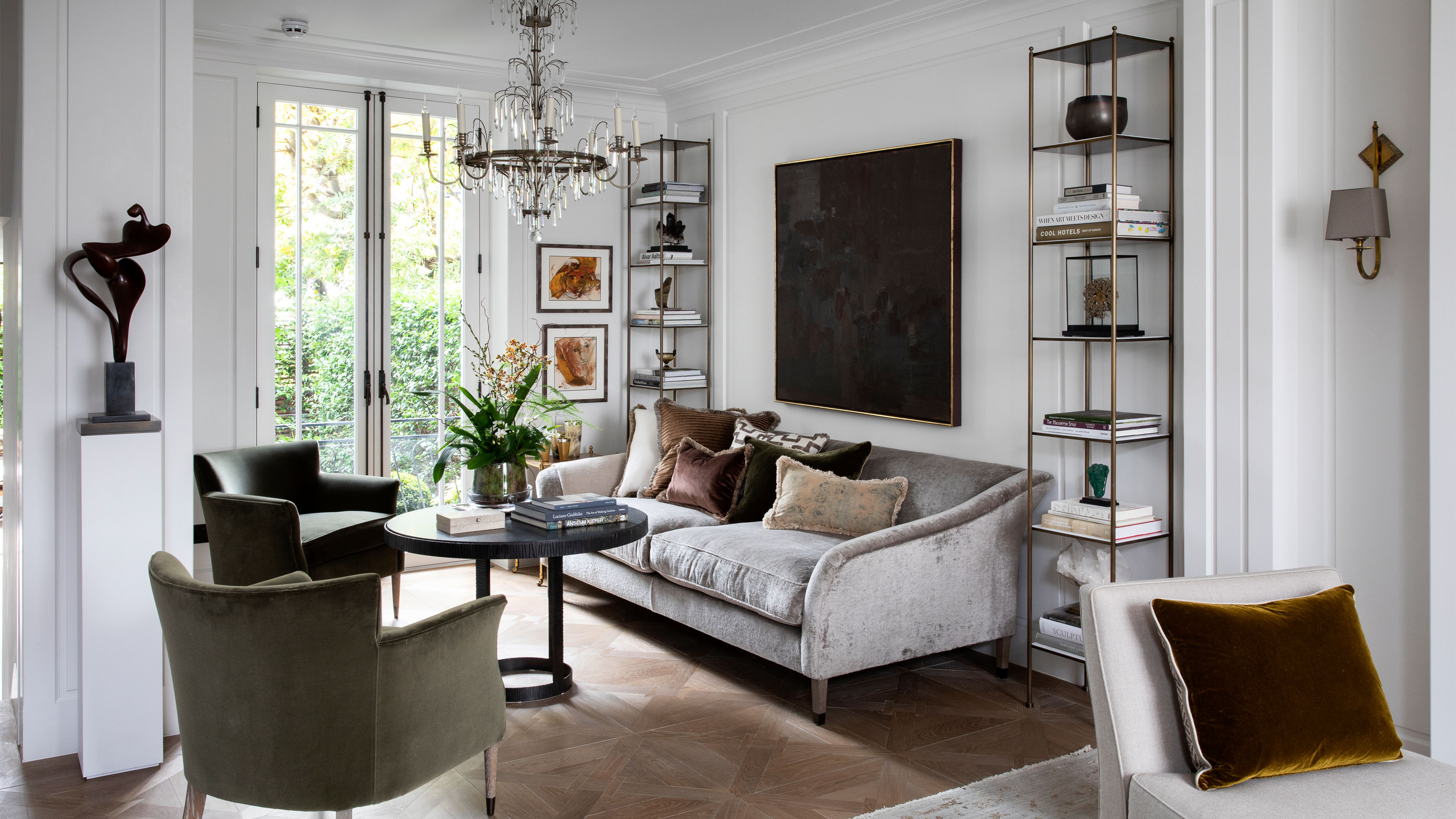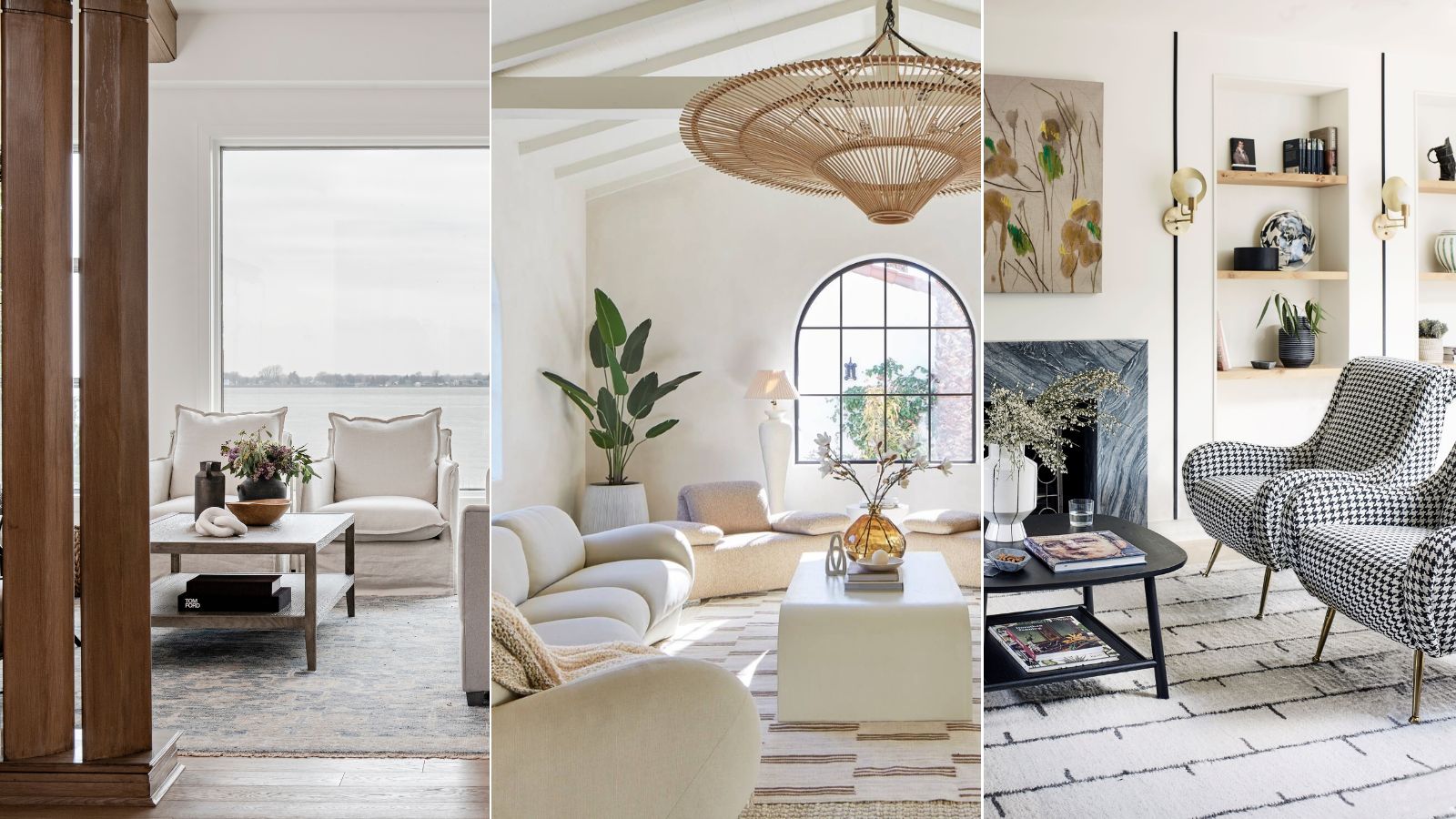
Color Trends for a Luxe Feel from the velvet drapes of grand châteaus to the sleek tones of a modern penthouse, color has always played a defining role in what we perceive as luxurious. Opulence is no longer just about gold leaf and marble—it’s about harmony, depth, and intentionality. The right hues can elevate even the simplest space or outfit, turning the ordinary into something extraordinary. Today’s discerning creatives and homeowners are turning to palettes that exude elegance, sophistication, and a distinctly elevated aura.
Let’s explore the color trends that are currently shaping what it means to achieve a luxurious aesthetic—and how luxury feel color choices are evolving across industries.
Defining the Essence of Luxury Through Color
Luxury is a feeling before it is a label. It’s the weight of silk, the glimmer of brushed brass, the quiet depth of oxblood. And just as texture and light play crucial roles, color is arguably the most immediate and emotional element in this visual equation.
The psychology of color suggests that we instinctively associate certain hues with prestige, wealth, and comfort. Deep jewel tones, warm neutrals, and metallics have always conveyed an air of refinement. However, contemporary luxury is pushing boundaries—favoring new interpretations that still feel lavish without being overindulgent.
Earthy Riches: A Grounded Approach to Opulence
One of the most notable shifts in luxury feel color choices is the rise of rich, earthy hues. Think sienna, olive, terracotta, ochre, and deep clay. These colors draw from nature’s most grounding elements—soil, stone, foliage—but are elevated through texture and tone.
They feel curated, not rustic. Elegant, not primitive.
Why They Work:
- Earth tones add warmth and a sense of timelessness.
- They pair effortlessly with metallic accents like brushed gold or matte bronze.
- When applied to walls, fabrics, or flooring, they create a cocoon-like ambiance of comfort and elegance.
Interior designers are using deep rusts with creamy whites and dark wood for a luxe look that feels both classic and contemporary. These tones also work beautifully in high-end fashion when layered with neutral accessories or luxe fabrics like velvet and silk.
Jewel Tones Reimagined
Sapphire. Emerald. Amethyst. Ruby. These are not just stones—they’re archetypes of luxury. In 2025, jewel tones remain essential, but with a twist. The updated versions are slightly dustier, moodier, and more mysterious.
Trending Variants:
- Moody Emerald: Less vibrant, more mossy. Perfect for modern spaces.
- Smoky Sapphire: Muted with a hint of gray for a more intellectual vibe.
- Burnished Amethyst: A deeper, duskier purple with hints of mulberry.
Used sparingly, these colors deliver maximum impact. Whether as accent walls, velvet upholstery, or statement coats, these sophisticated shades ooze richness. They’re classic, but not cliché.
Monochrome with Meaning
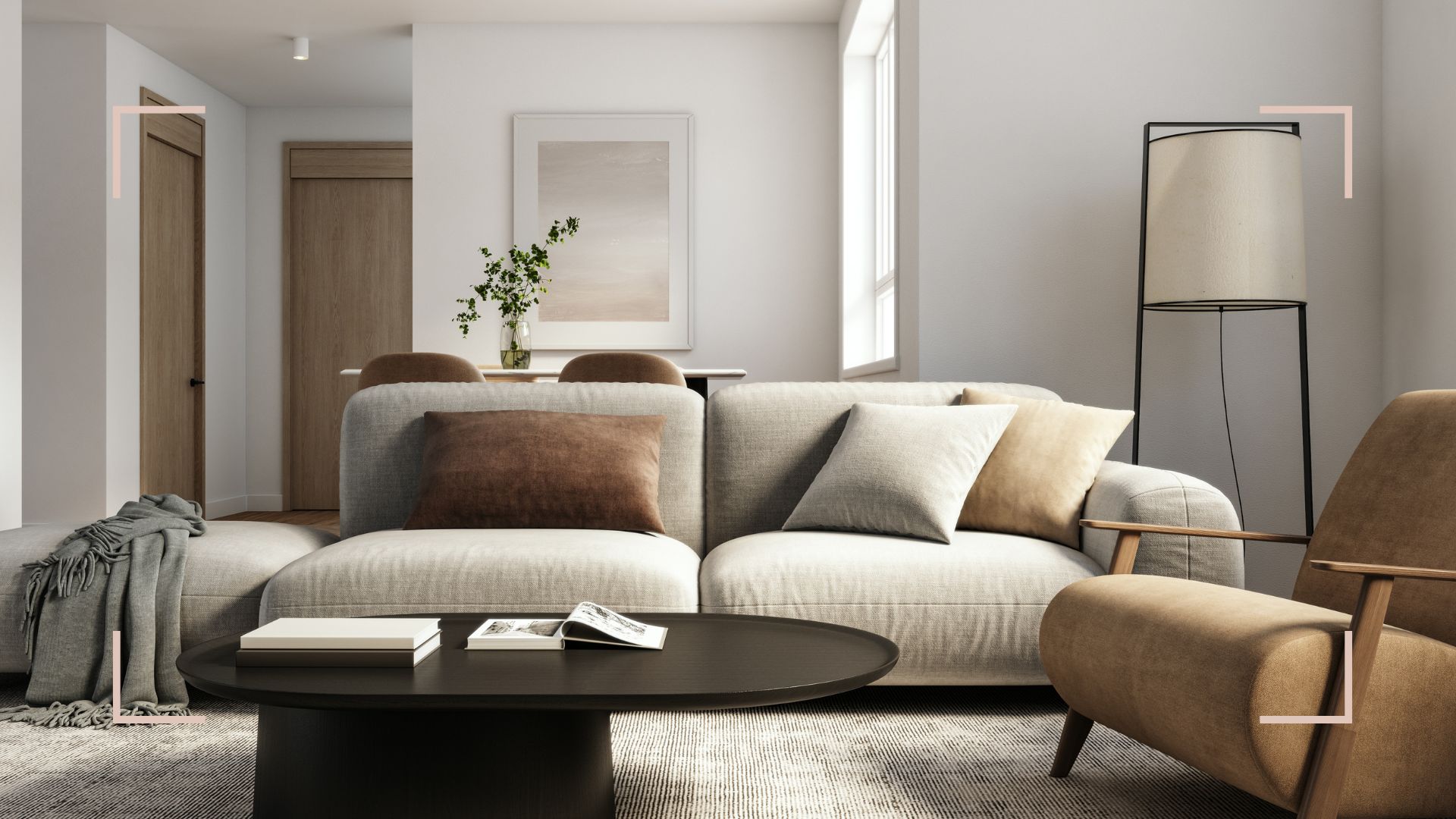
Minimalism isn’t going away—it’s just getting smarter. The use of monochrome palettes is a subtle yet highly impactful approach to achieving luxury. Soft gradients of the same color family—think taupe, sand, mocha, greige—are being used to create visual depth without loud contrasts.
How It Elevates:
- Monochrome palettes let materials and textures shine.
- They convey cohesion and restraint, both hallmarks of luxury.
- Subtle color variation draws the eye slowly and deliberately, inviting closer inspection.
This approach works beautifully in fashion and interiors alike. A living room entirely in shades of gray (from whisper to charcoal) can feel more luxurious than a gold-accented one, provided the materials are high-end and thoughtfully layered.
Dark Drama: Black as the New Gold
Once considered too stark or heavy, black has made a dramatic comeback as a pinnacle of elegance. But it’s not just flat black—it’s nuanced. Matte black, ink black, charcoal, and obsidian are being used as grounding tones in everything from cabinetry to couture.
Black conveys certainty and bold sophistication. In design, it’s used to frame lighter elements, adding contrast that feels sculptural. In fashion, it’s the foundation of timeless elegance.
Pairing Tips:
- Combine with warm neutrals (camel, ivory, cognac) for balance.
- Add gold or rose gold accents for warmth.
- Use matte and gloss finishes together for dynamic layering.
Black is no longer just a backdrop. It’s the star.
Metallics That Whisper, Not Shout
Forget gaudy gold and blinding chrome. Today’s luxe metallics are softer, subtler, and more refined. Think antique brass, champagne gold, brushed copper, and rose bronze. These finishes catch the light without overwhelming the eye.
These muted metals complement luxury feel color choices beautifully, acting as elegant punctuation marks in otherwise toned-down palettes.
Where to Use Them:
- Lighting fixtures
- Drawer pulls
- Frames and trims
- Footwear and accessories
They are the jewelry of any design—meant to accent, not dominate.
Neutrals with a Warm Undertone
Cool neutrals have long dominated the minimalist aesthetic, but in the realm of luxury, warm neutrals are taking over. Think creamy alabaster, French vanilla, sandy beige, and soft camel. These hues offer a more inviting and indulgent ambiance.
They pair exceptionally well with dark wood tones, aged metals, and organic textiles like linen, wool, and leather.
Warm Neutrals in Action:
- In interiors: enveloping walls and upholstery.
- In fashion: layered tonal dressing for an understated luxe look.
- In branding: subtle sophistication for high-end wellness or hospitality brands.
These tones serve as the canvas upon which more dramatic luxury feel color choices can shine.
Unexpected Pairings That Work
Luxury today isn’t afraid of contrast—it just does it with finesse. Designers are experimenting with combinations that once seemed counterintuitive but now feel curated and fresh.
Examples:
- Powder Blue and Terracotta – soft and strong in balance
- Olive Green and Blush Pink – grounded romance
- Mustard Yellow and Navy – vintage richness reimagined
- Cranberry and Dusty Teal – bold but not brash
These pairings rely on tonal balance and a touch of restraint, ensuring they read as refined rather than whimsical.
Textural Color: A Sensory Approach
The color itself is only part of the equation. In luxury design, texture and finish are just as important. A matte olive wall feels different from a high-gloss one. A velvet maroon chair evokes more indulgence than a cotton one in the same hue.
Color + Texture Pairings for Luxe Impact:
- Matte Charcoal Walls + Brass Sconces
- Velvet Emerald Sofa + Silk Taupe Pillows
- High-Gloss Navy Lacquer + White Marble Accents
These combinations elevate luxury feel color choices into experiences. They engage not just the eyes, but the senses.
The Role of Lighting in Luxury Color
Lighting is the unsung hero of color perception. A warm LED bulb can transform a cold white into a glowing ivory. A chandelier’s flicker can add life to a matte wall. In luxury environments, lighting is always intentional and layered.
Using color temperature wisely enhances the richness of any chosen hue. Cool lights emphasize clean lines and crisp colors; warm lights bring out depth, texture, and sensuality.
Pro Tips:
- Use dimmable lighting to adapt color mood by time of day.
- Install accent lighting to highlight architectural features or focal art pieces.
- Pair natural light with sheer curtains to let warm hues filter through gently.
The interplay between color and light defines whether a space feels flat or fantastic.
Branding and Luxury Color
In the branding world, color is a powerful signifier of positioning. Premium brands choose hues that reflect their values and clientele. A skincare line using blush and cream evokes softness and purity. A luxury car brand using deep navy and chrome signals power and precision.
Notable Brand Examples:
- Chanel: Black and white with gold accents—timeless and structured.
- La Mer: Seafoam green and pearl—purity and oceanic richness.
- Moët & Chandon: Gold and champagne tones—celebratory indulgence.
The consistency and exclusivity of these luxury feel color choices help reinforce the brand’s identity in every touchpoint—from packaging to websites to retail environments.
High Fashion and Couture
In haute couture, colors are storytelling tools. Recent collections from leading fashion houses have leaned into jewel tones, molten metallics, and even sophisticated pastels. The contrast between structure and softness, saturation and subtlety, is what makes these garments feel exclusive.
Designers are also borrowing from historical palettes—think Roman red, Byzantine gold, Victorian emerald—and infusing them with contemporary silhouettes.
Luxury fashion isn’t afraid of color—it thrives on using it masterfully.
Global Influences on Luxury Palettes
Color preferences in luxury design vary across cultures but often intersect in interesting ways. In Japan, wabi-sabi aesthetics elevate subdued hues like stone gray and moss green. In India, regal shades like royal blue, marigold, and deep magenta symbolize grandeur and celebration.
Global inspiration expands the spectrum of luxury feel color choices, allowing designers to blend tradition with innovation. It’s not unusual now to see a Scandinavian interior with Moroccan color accents, or a French fashion house interpreting African textiles in its palette.
Cultural hybridity in color is redefining what global luxury looks and feels like.
Sustainability Meets Sophistication
Eco-luxury is no longer niche—it’s the future. Brands and consumers are embracing natural dyes, plant-based pigments, and non-toxic color processes that produce sophisticated results without environmental compromise.
Colors derived from natural sources—like indigo, turmeric, hibiscus, and charcoal—are being celebrated for their depth and organic irregularities.
When paired with clean lines, handcrafted textures, and sustainable materials, these hues convey authenticity and conscientious refinement.
Eco-Chic in Action:
- Organic cotton throws dyed in beetroot pinks or indigo blues.
- Interior paints made from clay and lime in muted earth tones.
- Sustainable packaging in kraft browns with soft pastel branding.
These earthy, nuanced tones are becoming key players in the world of luxury feel color choices—proving that ethics and aesthetics can coexist beautifully.
Looking Ahead: Future Luxe Palettes
The future of luxury is multisensory and emotionally resonant. As we step further into a tech-forward world, color will play a vital role in grounding our experiences with beauty, memory, and mood.
Anticipated Color Directions:
- Digital Dust: Soft metallic grays with a holographic sheen.
- Neo-Neutrals: Hybrid colors like lavender-gray or mushroom-taupe that defy categorization.
- Shadow Pastels: Pale colors with a moody undertone—lilac with a drop of soot, mint with a trace of steel.
- Sun-Baked Brights: Saturated, slightly faded hues inspired by Mediterranean summers—perfectly imperfect.
These palettes will continue to evolve the lexicon of luxury feel color choices, blending emotion, innovation, and sensory indulgence into every shade.
Final Thoughts
Luxury is not loud—it’s intentional. It’s not bound by trends—it refines them. Through color, we craft environments and identities that speak of care, quality, and quiet confidence. Whether you’re curating your personal wardrobe, renovating your home, or developing a brand, choosing the right palette makes all the difference.
Color doesn’t just decorate—it defines. And with today’s sophisticated approach to luxury feel color choices, opulence is only ever a brushstroke away.