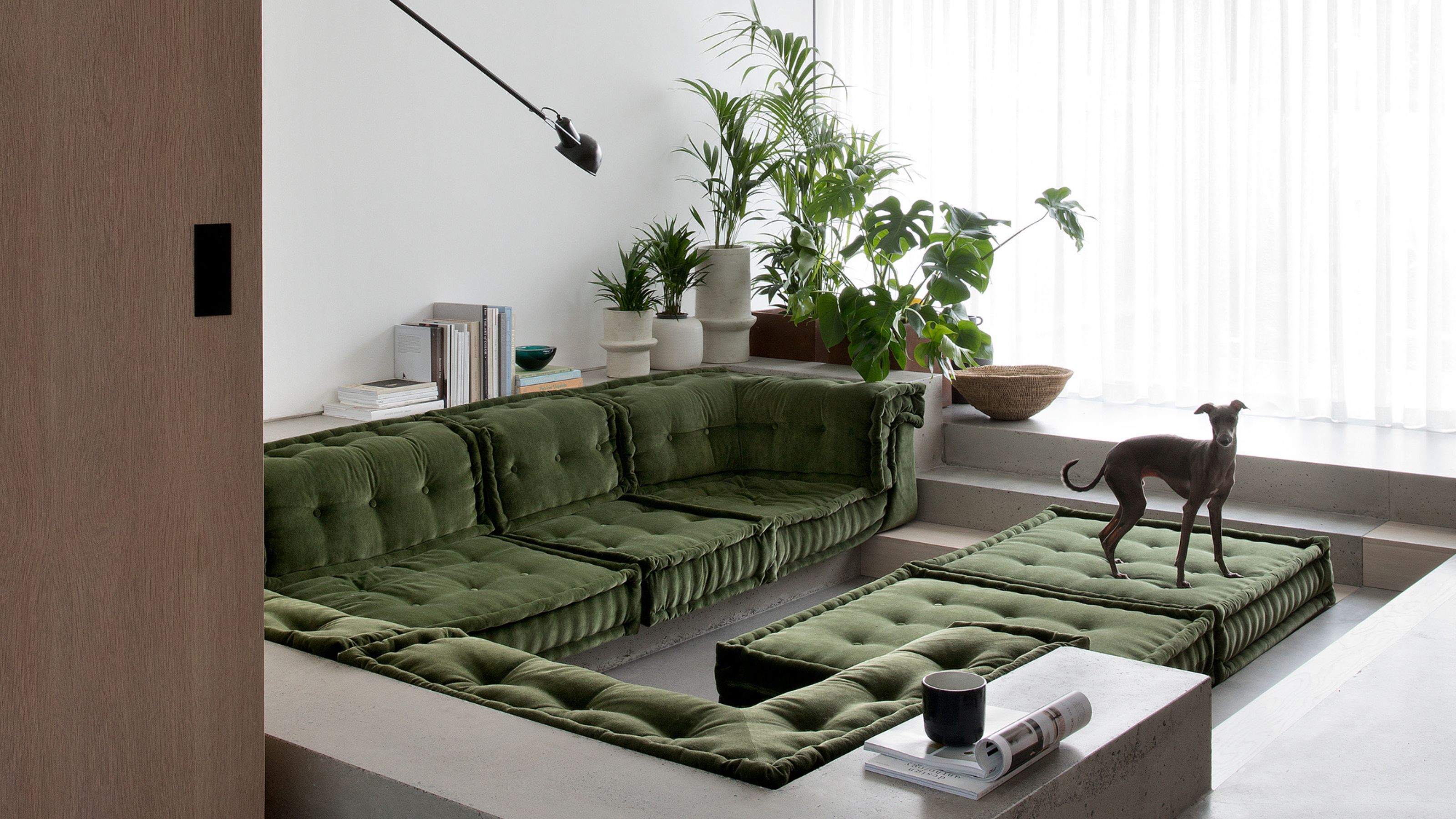
Japandi Interior Design for Serenity creating a space that radiates calm and clarity need not sacrifice style. By fusing the minimalist elegance of Scandinavian design with the timeless tranquility of Japanese aesthetics, serene japandi design trends deliver interiors that feel both functional and profoundly peaceful. This comprehensive guide explores the philosophy, core principles, materials, color palettes, furnishings, and room-by-room strategies to curate Japandi sanctuaries deserving of modern living.

1. Philosophy: Wabi-Sabi Meets Hygge
Japanese wabi-sabi honors imperfection and impermanence, finding beauty in simplicity and natural aging. Scandinavian hygge celebrates coziness and conviviality, crafting warmth through texture, light, and gathering. Merging these yields spaces that are:
- Understated yet emotive: Each element breathes intentionality.
- Organic yet structured: Natural materials grounded by clean lines.
- Serene yet inviting: A refuge that welcomes connection.
Embrace the tensile balance between empty space (ma) and carefully placed objects, fostering a “chiarotactile harmony”—a dialogue of light, shadow, and texture.
2. Core Principles of Serene Japandi Design Trends
- Minimalist Restraint
Edit relentlessly. Every item must serve function or spark joy. Negative space becomes as potent as furnishings. - Natural Authenticity
Emphasize raw grains, honed stones, and hand-finished surfaces. Celebrate tectonic textures that reveal material lineage. - Warm-Neutral Palette
Base tones—a mélange of alabaster white, greige, and driftwood taupe—set the stage. Accent with muted umber, charcoal gray, or olive green. - Low-Profile & Grounded
Furniture sits close to the floor: platform beds, low tables, and bench seating evoke a sense of rooted calm. - Curvilinear & Geometric Forms
Pair gentle arcs—arched doorways, rounded tables—with rectilinear shelving or cabinetry for rhythmic tension. - Mindful Light Curation
Layer ambient, task, and accent lighting. Favor paper lanterns, slender sconces, and indirect LED coves to sculpt mood.
3. Color Palette: Subtlety in Spectrum
| Tone Category | Example Hues | Application |
|---|---|---|
| Foundation Neutrals | Alabaster White, Greige, Ash Wood | Walls, ceilings, large furnishings |
| Warm-Accent Neutrals | Driftwood Taupe, Sandstone, Stone Gray | Area rugs, upholstery, drapery |
| Muted Earth & Forest | Olive Green, Terracotta, Charcoal | Cabinets, accent walls, accessories |
| Soft Punctuations | Dusty Rose, Sage Blue, Moss Gray | Throw pillows, art pieces, ceramics |
A subtle tonal gradient from floor to ceiling fosters “vertical ma,” where each plane flows effortlessly into the next. Accent hues should remain subdued, echoing natural dyes—ochre, indigo, cochineal.
4. Materials & Textures: Honoring Grain and Hand
- Wood: Ash, oak, walnut—finished in matte or soft-lacquer to preserve tactile warmth. Live-edge tables and hand-carved joinery celebrate artisanal savoir-faire.
- Stone: Honed marble or slate hearths. Polished concrete with subtle aggregate. Each strike of stone feels rooted in geologic time.
- Textiles: Bouclé, linen, hemp, and organic cotton. Layer throws, pillows, and woven floor cushions to introduce tactility.
- Metals: Brushed brass, matte black steel, antique bronze—used sparingly for hardware and light fixtures.
- Natural Fibers: Jute and seagrass rugs underscore hygge, while silk shōji screens filter light with papery translucence.
Interweave these in strata—hard floors, soft rugs, firm furniture, cushioned accents—crafting a “tectonic tableau” of surfaces.
5. Furniture & Form: Curated Simplicity
5.1. Seating
- Low Sofas & Sectionals: Tapered legs, neutral upholstery, deep seats.
- Zaisu Chairs: Japanese legless chairs with slim backrests, perfect for reading nooks.
- Bench Seating: Multipurpose wooden benches—entryway perch or dining accompaniment.
5.2. Tables & Storage
- Platform Tables: Slightly raised plinths for coffee or dining, low enough to encourage grounded posture.
- Modular Shelving: Scandinavian-inspired cubbies with sliding doors; Japanese tansu drawers for concealed storage.
- Minimal Consoles: Narrow credenzas with subtly rounded edges, balancing lightness and solidity.
5.3. Beds & Bedrooms
- Platform Beds: Flush frames that feel like a tatami platform.
- Headboards: Integrated wood slats or upholstered panels in calming hues.
- Side Tables: Asymmetrical nesting surfaces in wood and stone.
6. Lighting: Layered Luminance
- Ambient
- Paper Lanterns: Rice-paper globes diffuse soft day-to-night glow.
- Recessed Cove Lighting: Concealed LEDs beneath ceiling coffers or shelves create an “aureate calm.”
- Task
- Adjustable Wall Sconces: Brushed metal arms with pivoting heads.
- Desk Lamps: Minimalist profiles with cylindrical or conical shades.
- Accent
- Spotlights: Highlight art alcoves or textural walls.
- Floor Lamps: Slender stems with soft, tambourine-like shades for upward wash.
Smart controls allow dimming and color-temperature shifts—mimicking sunrise and sunset’s natural rhythms.
7. Spatial Layout & Flow
- Open but Zoned: Use low shelving, rattan screens, or a single wood column to delineate living, dining, and working areas.
- Circulation Corridors: Maintain clear 80 cm+ pathways. Furniture should feel “breathable.”
- Feng Shui & Ma: Position primary seating facing natural light sources. Respect energetic voids—spaces left intentionally empty for mental clarity.
A “radial arrangement” around a hearth or central rug fosters communal focus, while peripheral seating invites solitary repose.
8. Room-by-Room Guide
8.1. Living Room
- Anchor: A low-profile sofa in stone-gray linen, facing a live-edge ash table.
- Textural Layers: Jute area rug topped by a small wool flatweave.
- Accents: A single bonsai on a carved pedestal; a neutral ceramic vase with a bare branch.
- Lighting: Paper lantern cluster overhead; wooden floor lamp beside a reading chair.
Short. Then: The space reads as an uncluttered tableau, each piece breathing in “negative chi” and exhaling serenity.
8.2. Dining Room
- Table: Round walnut platform table, fostering egalitarian seating.
- Seating: Scandinavian bentwood chairs with woven seats.
- Storage: A sideboard with sliding ash veneers concealing tableware.
- Accents: Linen runners in muted indigo; handcrafted flatware displayed on a floating shelf.
- Lighting: A sculptural pendant—perhaps paper-and-metal fusion—casting patterned shadows.
Long sentence: Through a restrained interplay of materials and silhouette, every meal becomes a meditative ritual, anchored in the essence of serene japandi design trends.
8.3. Bedroom
- Bed: Platform frame in bleached oak, layered with organic cotton bedding in off-white.
- Nightstands: Asymmetrical floating shelves, one in stone, the other in wood.
- Rug: Chunky wool slab beside the bed for a cushioned first step.
- Accents: A single hanging scroll (kakemono) above the headboard.
- Lighting: Wall-mounted sconce with rice-paper diffuser.
Short. Restful elegance defines every glance, every breath.
8.4. Kitchen
- Cabinets: Flat-panel matte-lacquer fronts in greige, with recessed wooden handles.
- Countertops: Honed concrete surfaces, unsealed for subtle patina development.
- Island: Live-edge butcher block perched on blackened-steel legs.
- Open Shelving: Display stoneware and hand-thrown mugs.
- Lighting: Under-cabinet LED with warm output; a single metal-and-paper pendant above the island.
Long: The kitchen becomes a workshop of calm efficiency, where every tool is both a utensil and an object of quiet beauty.
8.5. Bathroom
- Walls: Tadelakt plaster in pale oyster white, hand-trowelled for organic undulations.
- Vanity: Floating slab of eucalyptus wood with integrated basin.
- Fixtures: Matte-black taps and shower fittings.
- Accents: A bamboo stool holding rolled towels; a small rice-paper window screening light.
- Lighting: Backlit mirror creating an aureate halo.
Short. Spa-level serenity emerges through mindful material choice.
8.6. Home Office
- Desk: Minimalist ash tabletop with hairpin steel legs.
- Chair: Ergonomic zaisu cushion on natural fiber mat.
- Storage: Wall-mounted slatted wood panels with integrated hooks and shelves.
- Accents: A small succulent in a stone planter; a rice-paper scroll pinned at eye level.
- Lighting: Desk lamp with an adjustable conical shade; indirect LED cove above shelving.
Long: Productivity merges with tranquility, each task framed by a harmonic interplay of wood grain and soft luminance.
9. Accessorizing with Intent
- Ceramics: One handcrafted bowl per shelf, unglazed on the exterior, glazed interior—a “dual-texture delight.”
- Plants: A single specimen—bonsai, sansevieria, or peace lily—promotes biotactic resonance, an immersive connection with living elements.
- Textiles: Layered throws in wool or hemp, each folded asymmetrically for casual elegance.
- Art: Monochrome ink brushstrokes or minimalist line drawings evoke contemplative silence.
Each accessory must align with the ethos of serene japandi design trends, contributing to rather than competing with the overall calm.
10. Common Pitfalls & Remedies
| Pitfall | Remedy |
|---|---|
| Over-decorating | Edit to essentials; apply “one-in, one-out.” |
| Excessive whiteness | Introduce warm neutrals and natural grain textures. |
| Bulky furniture | Opt for low-profile, leggy silhouettes. |
| Harsh lighting | Layer with soft ambient and accent sources. |
| Cultural clichés | Focus on material integrity, not stylized motifs. |
11. Sustainability & Longevity
- Reclaimed Wood: Upcycle beams and boards for tables, shelving, and accent walls.
- Low-VOC Finishes: Preserve air quality and material authenticity.
- Natural Fiber Textiles: Invest in GOTS-certified hemp, linen, and wool.
- Local Artisans: Commission pottery, weaving, and woodwork to support craft traditions.
These choices honor both the planet and the spirit of Japandi serenity.
12. Uncommon Terminology to Enrich Discourse
- Ma-spatial Philosophy: The concept of purposeful voids creating tension and focus.
- Chiarotactile Resonance: The interplay of subtle light gradients and tactile richness.
- Tectonic Texture: Layered surfaces that reveal material sedimentation.
- Aeriform Toning: Airy color modulations that feel weightless.
- Biotactic Integration: Harmonizing living elements within static architectural forms.
13. Final Reflections
Japandi is more than a trend—it is a mindful design philosophy. By weaving together serene japandi design trends, one creates interiors that are both refined and restorative. Through minimalist restraint, natural authenticity, warm-neutrals, and layered textures, every room becomes a testament to calm craftsmanship. Let each space resonate with wabi-sabi imperfection and hygge warmth, invoking serenity with every glance and every breath.