Color Trends That Boost Your Mood colors are far more than visual stimuli. They influence how we feel, think, and even how we behave. Certain shades can energize us, soothe our nerves, spark creativity, or encourage calm reflection. In a world where wellness is as much about mental clarity as it is physical health, harnessing mood boosting color trends has become an exciting and meaningful part of design—whether for homes, offices, or even digital spaces.
The Psychology of Color: More Than Just Aesthetic Appeal
Color psychology reveals that different hues impact emotional and physiological responses. For instance, red is associated with energy and urgency, while blue often invokes feelings of peace and reliability. But when curated with subtlety and intention, colors can elevate not only interior design but also emotional well-being.
As the conversation around wellness and interior styling grows richer, color schemes are moving beyond mere trends. They are becoming tools for fostering positivity, grounding, and inspiration.
Why Mood Matters in Color Selection
When choosing a color palette, we often focus on personal preferences or design rules. However, understanding how colors affect mood opens up a deeper level of intentionality. Imagine a workspace that promotes focus and calm through soft green undertones. Or a bedroom that wraps you in lavender tones, inviting rest and stillness after a long day.
Colors play a silent, yet powerful role in our daily experiences. The emerging mood boosting color trends reflect a cultural shift toward environments that nurture mental clarity and emotional balance.
The Palette of Positivity: Exploring Colors That Uplift
Let’s dive into the hues making waves in 2025 and why they deserve a place in your environment.
1. Buttery Yellow: Sunshine Indoors
Yellow has always symbolized optimism. But the latest trend leans into a more muted, buttery yellow rather than its bold, bright cousin. This variation softens spaces without sacrificing warmth. It feels like morning sunlight—fresh, tender, and invigorating.
Use it in kitchens or reading nooks to inspire joy and alertness. Pair it with creamy whites or pale wood tones for an airy, inviting look.
2. Earthy Terracotta: Grounded Warmth
Terracotta is resurging, and for good reason. Its earthy richness connects us to natural elements and evokes a sense of security. Deep, clay-like tones are perfect for spaces where you want to feel cozy and rooted, like living rooms or meditative corners.
This is one of the mood boosting color trends that taps into the resurgence of biophilic design—where natural textures and colors soothe overstimulated minds.
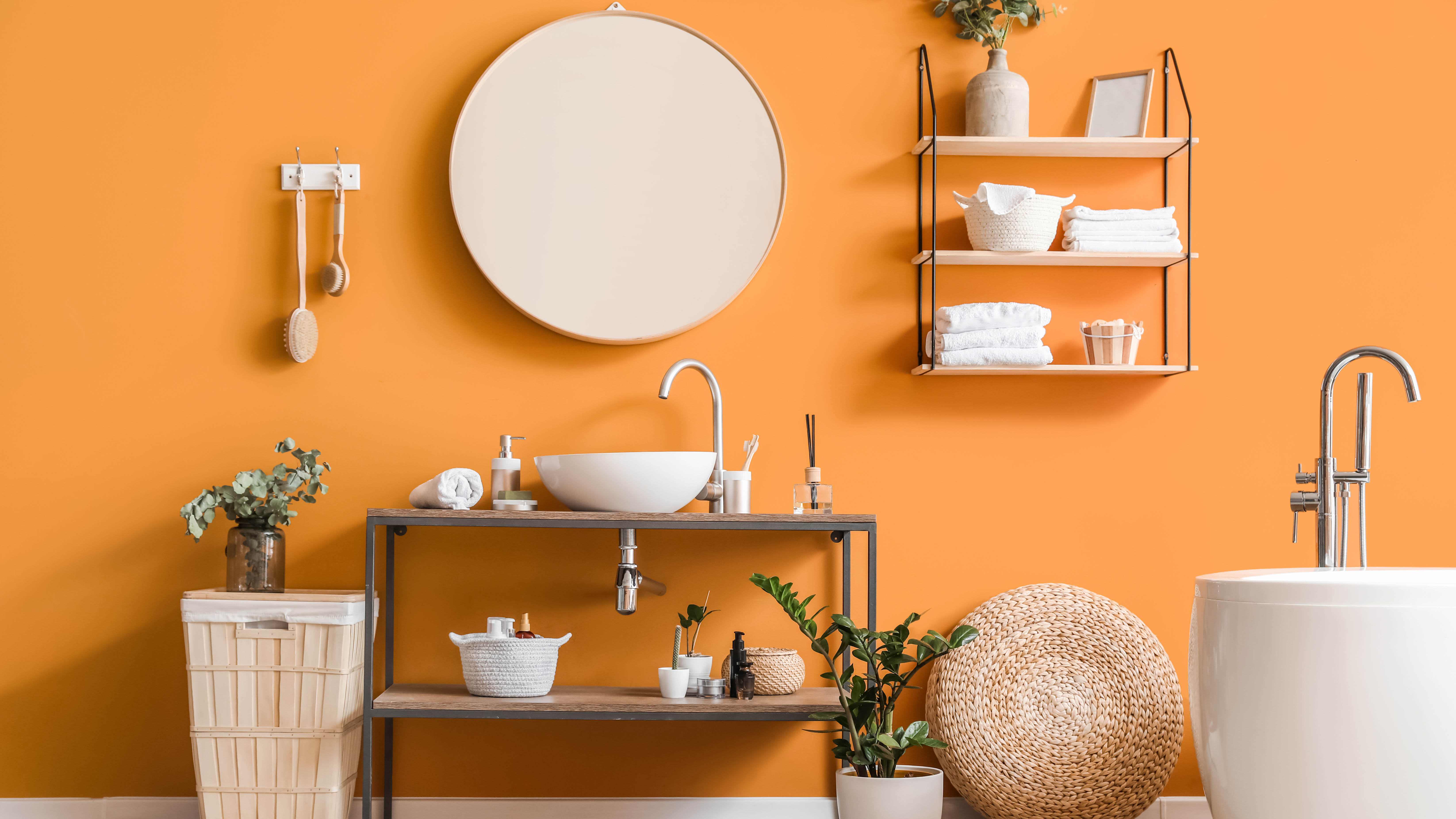
3. Dusty Rose: The New Comfort Neutral
Once considered overly feminine or outdated, dusty rose has returned with a grown-up twist. This muted blush tone feels nurturing without overwhelming the senses. It’s subtle enough to function as a neutral yet brings an unmistakable warmth.
Ideal for bedrooms or bathrooms, dusty rose whispers relaxation and quiet confidence. Pair it with soft greys, sage green, or brushed brass for a sophisticated palette.
4. Serene Sage: Calm with Character
Green is intrinsically tied to growth and tranquility, and sage green delivers both. It brings the outdoors in, offering a soft, organic backdrop for modern interiors. Sage is particularly helpful in areas designed for focus and rest—like home offices or entryways.
As a leading hue in mood boosting color trends, sage green supports emotional regulation and offers a timeless appeal.
5. Sky Blue: Clarity and Breath
Blue is known for its calming effects, but sky blue offers a unique twist—it feels airy and expansive. This tone mimics the open sky, promoting mental clarity and a sense of endless possibility.
Use sky blue in bathrooms, bedrooms, or creative studios. It pairs effortlessly with white, silver, or sand tones to elevate a sense of clarity and mindfulness.
Curating Color by Function
A powerful way to incorporate mood boosting color trends is to think about the function of each space.
For Rest and Rejuvenation: Soft and Cool Tones
- Lavender: Encourages sleep and spiritual calm.
- Powder Blue: Promotes serenity and mental cooling.
- Light Sage: Offers gentle grounding without heaviness.
These shades work best in bedrooms, meditation rooms, and bathrooms. They create a cocoon-like atmosphere where the brain is invited to slow down and recharge.
For Productivity and Creativity: Energizing Yet Balanced Hues
- Coral: Adds energy without the intensity of red.
- Pale Mustard: Encourages mental sharpness and optimism.
- Peachy Pink: Sparks warmth and emotional openness.
Apply these hues in workspaces, home offices, or study corners. Their vibrancy helps avoid fatigue without being overstimulating.
For Social Interaction: Welcoming and Warm Colors
- Warm Taupe: Feels familiar and inviting.
- Clay Red: Adds earthiness and conversation-starting depth.
- Olive Green: Rich yet neutral enough to harmonize diverse elements.
Living rooms, dining areas, and entryways benefit from these convivial tones that encourage connection and ease.
Trending Combinations That Hit the Emotional Sweet Spot
Color trends are rarely experienced in isolation. The way hues interact can significantly influence the energy of a space. Below are a few current pairings from mood boosting color trends that combine harmony with emotional intention.
Buttery Yellow + Warm Taupe
Cheerful yet grounded, this combination is perfect for kitchens or family rooms. The yellow lifts while the taupe stabilizes, creating emotional balance.
Sage Green + Dusty Rose
A match made in tranquility. Ideal for bedrooms or nurseries, this pair evokes gentleness and compassion without becoming saccharine.
Sky Blue + Soft Terracotta
This pairing blends cool clarity with grounding warmth. It’s striking in living rooms or creative spaces where balance between inspiration and focus is needed.
Coral + Pale Gray
This mix balances vibrancy with sophistication. Coral keeps the space upbeat while gray adds depth. Perfect for entryways or guest bathrooms.
Color in Texture and Materials
Mood-enhancing color doesn’t have to be confined to walls. In fact, using color through texture and material can be just as impactful.
- Velvets in muted jewel tones like amethyst or sapphire bring tactile richness.
- Matte finishes on furniture or decor keep bright colors from becoming too aggressive.
- Natural wood with pigmented stains adds subtle warmth and character.
These elements allow you to explore mood boosting color trends without fully committing to repainting or permanent changes. Small accents can shift the atmosphere of a room profoundly.
Seasonal Adaptability in Mood Colors
One of the best things about color is its ability to evolve with the seasons without overhauling your entire space.
Spring & Summer Palettes
- Soft Coral
- Mint Green
- Blush and White
- Butter Yellow
These shades reflect natural blooming and longer daylight hours. They feel fresh, energetic, and light.
Fall & Winter Palettes
- Cinnamon Brown
- Dusty Blue
- Warm Olive
- Eggplant Mauve
These richer, deeper hues make interiors feel cozy and safe—ideal for shorter, colder days.
With just a few accessories—pillows, throws, artwork—you can seasonally rotate between various mood boosting color trends to align your environment with nature’s rhythm.
Cultural and Global Influences on Mood Colors
Global trends influence how color is used emotionally and symbolically. In Scandinavian design, for instance, muted palettes dominated by white, greige, and pale woods reflect the desire for light and peace during long winters. In contrast, Latin American interiors embrace bold combinations like cobalt and mustard, reflecting vibrancy and community.
The growing popularity of Japanese-inspired minimalism also highlights soothing tones like warm clay, soft black, and pale washi-paper whites. These approaches emphasize mindfulness and balance—principles central to mood boosting color trends.
Digital Wellness Through Color
With more of life spent online, digital design now plays a role in our emotional landscape. From app interfaces to desktop backgrounds, color usage affects how we engage with screens.
Emerging UI trends favor soft backgrounds like seafoam, off-white, and muted peach over harsh bright whites. These subtle choices reduce eye strain and create a more calming digital environment. Even social media platforms and productivity tools are exploring themes that mirror physical wellness design, integrating hues that calm and encourage focus.
Making the Shift: Where to Start
Not sure how to integrate these mood boosting color trends into your life? Start small:
- Throw pillows in buttery yellow or coral can brighten a neutral sofa.
- Artwork featuring soft blues or sage brings color without permanence.
- Table linens in dusty rose or terracotta instantly cozy up dining areas.
- Paint an accent wall in sky blue or peach for a refreshing change.
- Update hardware like cabinet pulls or light fixtures in matte gold or warm black for added contrast and warmth.
Each addition, however subtle, contributes to an overall environment that promotes emotional well-being.
The Future of Color Is Emotional
In an era where mental wellness is a top priority, the spaces we inhabit are increasingly recognized as part of that equation. Color is a free, dynamic, and deeply personal tool for creating emotional resonance in any environment. From muted tones that soothe to vibrant shades that energize, the rise of mood boosting color trends is not just about fashion—it’s about feeling.
As design continues to evolve toward more human-centered approaches, expect to see even more emphasis on emotionally intelligent color choices. The goal isn’t to follow rules—it’s to cultivate joy, peace, and creativity wherever you are.
Final Thoughts
Color doesn’t just beautify—it communicates. It tells your nervous system whether to relax, energize, reflect, or engage. With thoughtful use of today’s mood boosting color trends, it’s possible to create spaces that feel good, support your emotional needs, and spark delight day after day. Whether you’re painting walls or just swapping out a throw blanket, the right color choice is always a step toward better living.