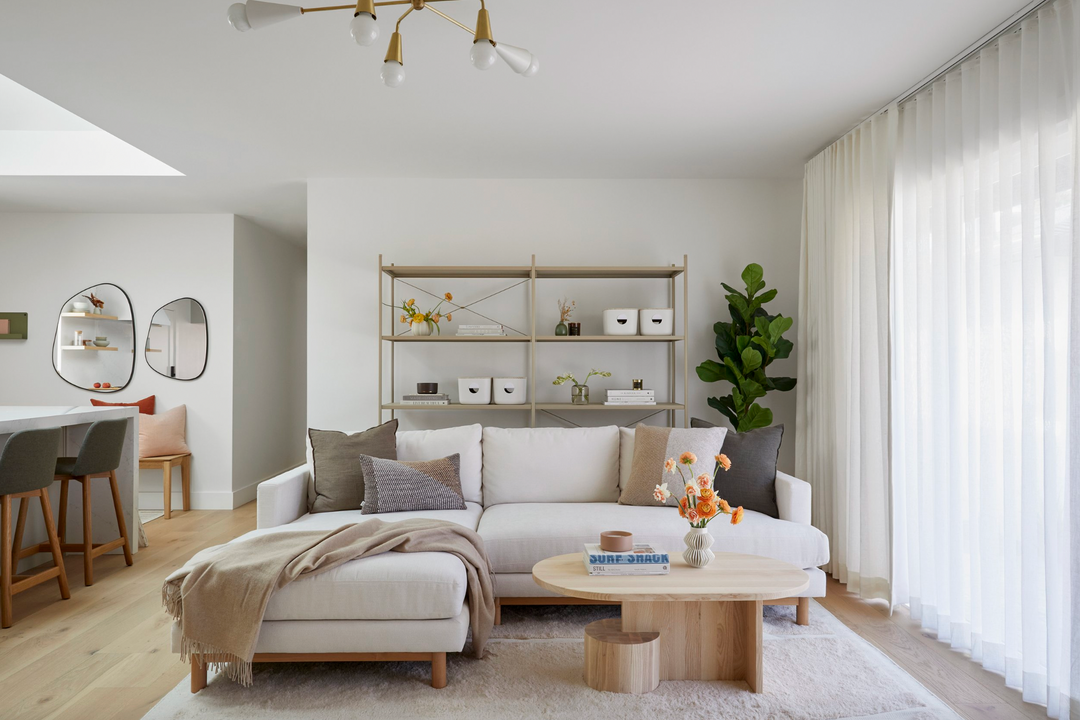
Home Decor That Maximizes Light transforms a space. It breathes life into walls, enhances colors, and evokes emotion. Designing with light in mind is not merely about installing fixtures; it’s about crafting an environment where every corner radiates warmth and openness. From reflective surfaces to strategic layouts, light maximizing home accents can completely redefine how you experience your living space.
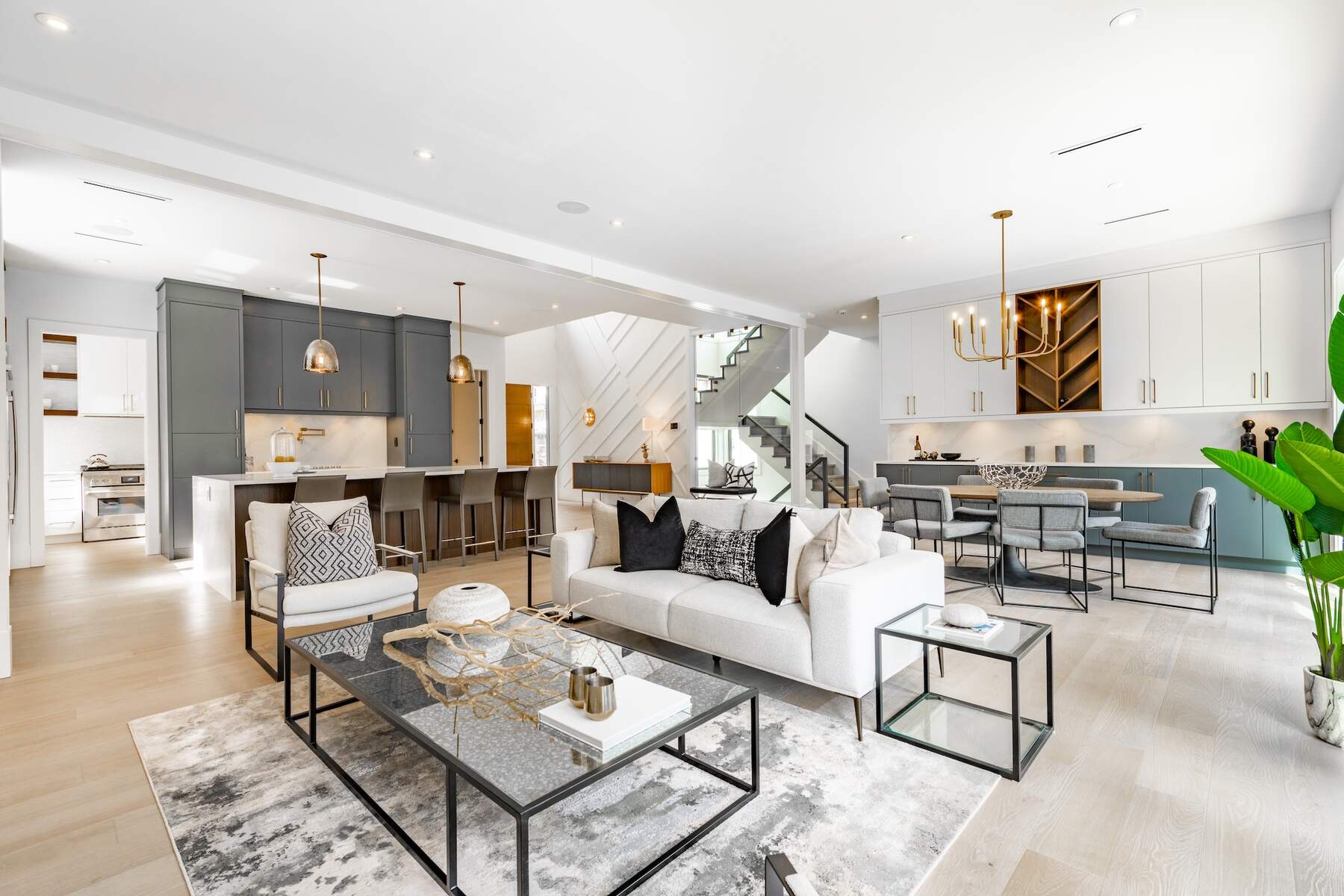
1. Understanding the Power of Light in Interiors
Natural light creates an ever-changing canvas. It shifts with time and weather, casting dynamic shadows and enhancing textures. Artificial light, when thoughtfully layered, complements sunlight to create ambiance and function. The key to making any room feel expansive and welcoming lies in amplifying available light and using it as a design cornerstone.
2. Harnessing Natural Light
Windows are portals to the outside world, but their potential can be underutilized. Enhancing natural light starts with:
- Window Treatments: Opt for sheer, light-filtering curtains or blinds that can be fully retracted. Heavy drapes, while luxurious, can suffocate sunlight.
- Mirrors: Strategically placing mirrors opposite or adjacent to windows reflects sunlight deep into rooms, doubling brightness and creating the illusion of more space.
- Glass Doors: Sliding or French doors with glass panels allow light to flow between rooms, maintaining connectivity and illumination.
- Minimal Obstruction: Keep window sills clear from bulky decor or furniture that block the sun’s path.
Using these simple tactics, you invite light to dance freely through your home.
3. Reflective Surfaces as Light Maximizing Home Accents
Materials that bounce light around the room increase brightness exponentially. Incorporate:
- Mirrored Furniture: Console tables, dressers, or side tables with mirrored panels add sparkle and amplify daylight.
- Glossy Finishes: Lacquered cabinets, high-gloss tiles, or polished countertops catch and reflect light beautifully.
- Metallic Elements: Brass, chrome, or gold fixtures subtly shimmer, enhancing both natural and artificial light.
- Glass and Lucite: Transparent or translucent furnishings reduce visual clutter and help light pass unobstructed.
Layering these finishes as light maximizing home accents creates a bright and uplifting atmosphere.
4. Color Palettes That Enhance Light
The colors you choose directly impact how light behaves in a space:
- Whites and Off-Whites: Classic choices that reflect nearly all light, amplifying the room’s glow.
- Pale Pastels: Soft hues of blue, lavender, or mint retain lightness while adding subtle color.
- Light Neutrals: Beige, taupe, or warm greys can provide warmth without absorbing too much light.
- Accent Colors: Use sparingly to avoid diminishing brightness but to create focal points.
Avoid deep, saturated tones on large surfaces as they tend to absorb light and can make spaces feel smaller.
5. Flooring that Invites Light In
Floors are often overlooked in lighting design, but they play a pivotal role:
- Light Hardwood: Blonde or whitewashed wood floors reflect sunlight, adding a natural warmth.
- Glossy Tiles: Porcelain or ceramic tiles with a polished finish increase light reflection.
- Area Rugs: Choose light-colored, low-pile rugs to avoid dulling the floor’s reflective properties.
A thoughtfully selected floor can act as a foundational light maximizing home accent that brightens the entire room.
6. Layered Lighting Strategies
Artificial light supplements natural light and creates ambiance after sunset. To maximize its effect:
- Ambient Lighting: Overhead fixtures or recessed lighting provide general illumination.
- Task Lighting: Desk lamps, under-cabinet lights, or reading lamps focus light where it’s most needed.
- Accent Lighting: Spotlights or wall sconces highlight artwork or architectural features.
- Dimmer Switches: Control intensity to suit mood and function.
A layered approach ensures balanced illumination that complements daylight.
7. Transparent and Translucent Elements
Incorporating see-through materials reduces visual weight and allows light to flow uninterrupted:
- Glass Coffee Tables: Avoid blocking light pathways.
- Acrylic Chairs: Visually open the space.
- Sheer Partitions: Separate spaces without sacrificing brightness.
- Light-Filtering Shades: Soften sunlight without darkening the room.
These pieces serve as subtle light maximizing home accents that enhance spatial flow.
8. Utilizing Architectural Features
Architectural elements can be designed or adapted to optimize light:
- Clerestory Windows: High windows that usher in sunlight while maintaining privacy.
- Skylights: Bring natural light from above, ideal for interior rooms lacking windows.
- Transoms: Small windows above doors to channel light between rooms.
- Open Staircases: With open risers or glass balustrades to allow light passage.
Integrating these features capitalizes on architectural possibilities for brightness.
9. Plants that Thrive in Bright Spaces
Living greenery not only enlivens decor but also interacts beautifully with light:
- Choose plants with light-reflecting leaves, such as fiddle leaf figs or rubber plants.
- Position plants near windows or under skylights.
- Use light-colored pots or reflective stands to further amplify light.
Plants paired with light maximizing home accents add vitality and freshness.
10. Minimizing Visual Clutter to Enhance Light
A cluttered room traps light, making spaces feel heavy and closed-in. To counter this:
- Use open shelving instead of bulky cabinets.
- Opt for furniture with legs rather than solid bases.
- Keep surfaces clear and decorate selectively.
- Choose multi-functional pieces to reduce unnecessary items.
Minimalism promotes light’s natural expansiveness.
11. Ceiling Treatments that Reflect and Extend Light
Ceilings are a large surface often neglected in lighting strategies:
- White or Light Paint: Maximizes reflection upward and throughout the room.
- Glossy or Metallic Paints: Create a subtle sheen that bounces light.
- Decorative Molding: Adds shadows that provide depth but still retain lightness.
- Exposed Beams in Light Wood: Offer texture without absorbing light.
A well-considered ceiling is a prime opportunity for light maximizing home accents.
12. Windows and Window Frames
Small details can make a big difference:
- Choose thin window frames painted white or in light tones.
- Avoid heavy drapes; instead, use rollers or roman shades in light fabrics.
- Keep window panes spotless to maximize light entry.
- Consider tinting or UV films that preserve brightness but reduce glare.
Optimizing windows is foundational to any light-maximizing decor.
13. Reflective Backsplashes and Wall Surfaces
In kitchens and bathrooms, backsplashes can amplify light and add style:
- Mirror tiles or glass mosaics reflect light and add sparkle.
- Polished stone or quartz counters with reflective qualities brighten the room.
- Metallic or pearlescent finishes add dimension.
Walls treated as light maximizing home accents draw light into everyday spaces.
14. Furniture with Light-Reflecting Finishes
Select furnishings that enhance brightness:
- Lacquered cabinets or dressers.
- Tables with glass or metal legs.
- Upholstery in light fabrics with subtle shimmer.
Such choices ensure light is invited into every facet of the room.
15. Art and Decorative Pieces that Play with Light
Art isn’t just visual—it interacts with light to create atmosphere:
- Metallic or foil prints shimmer subtly.
- Sculptures in reflective materials cast shifting shadows.
- Layered glass or resin artworks create depth.
These pieces become dynamic light maximizing home accents.
16. Flooring Patterns that Draw in Light
Patterns can influence how light moves through a room:
- Diagonal wood planks can elongate and open space.
- Geometric tiles with glossy finishes add visual interest without dimming.
- Lighter colors with subtle veining simulate natural light play.
Floor design impacts both brightness and perception of space.
17. Incorporating Technology for Light Control
Smart lighting allows you to tailor brightness effortlessly:
- Adjustable white LED bulbs to match daylight.
- Automated window shades that optimize sun exposure.
- Sensors that adjust light based on time of day or occupancy.
Technology blends function with light maximizing home accents for ultimate control.
18. Outdoor Spaces that Enhance Indoor Light
Outdoor elements influence indoor brightness:
- Reflective paving or light-colored decks near windows.
- Minimalist landscaping to avoid blocking sunlight.
- Large glass doors or walls blur boundaries and invite light.
Exterior design should be considered part of your indoor light strategy.
19. Seasonal Adjustments for Light Maximization
Light availability changes with seasons; adapt decor accordingly:
- Swap heavier curtains for lighter ones in summer.
- Use reflective cushions or throws during darker months.
- Position mirrors seasonally to capture changing sun angles.
This flexibility keeps spaces luminous year-round.
20. Personalizing Your Light Maximizing Decor
Ultimately, your home should feel uniquely yours. Use light maximizing home accents that resonate with your style—whether it’s a gleaming brass lamp, a statement mirror, or a sleek glass vase. The goal is to create a luminous, welcoming space that feels alive and expansive, wherever you are.
Light is the soul of home design. By intentionally integrating light maximizing home accents and strategies, you open the door to spaces that feel not only larger but more joyful and vibrant. Embrace the brilliance and transform your home into a sanctuary of glow and grace.