
Industrial Interior Design That Works in the realm of contemporary aesthetics, industrial style home design emerges as a bold manifesto, marrying raw textures with urban sensibilities. It is a design ethos that celebrates patina over polish, structural integrity over ornamental excess. This guide delves deeply into the principles, materials, and strategies that constitute a functional and visually compelling industrial interior, ensuring that every space not only looks authentic but also functions with seamless efficiency.
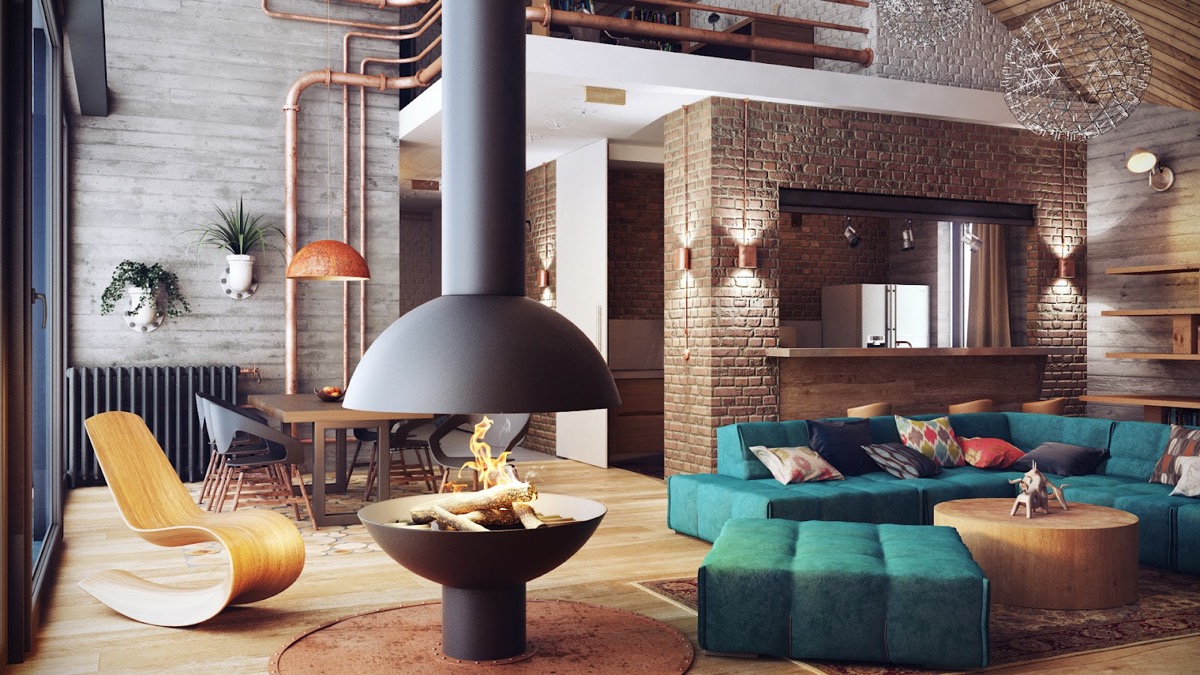
Origins and Evolution
Industrial interior design traces its lineage to converted warehouses, railway depots, and factories—spaces reimagined for living in the mid-20th century. Pioneering designers saw potential in exposed beams, iron girders, and cavernous volumes. Rather than conceal these features, they accentuated them, positing that the beauty of a space lies in its unvarnished truth.
- Adaptive repurposing: Transforming former industrial sites into residences gave birth to the archetype of factory-chic lofts.
- Postmodern reinterpretations: Over time, a more nuanced tension developed between utilitarian austerity and curated refinement.
- Global diffusion: Today, industrial style home design infuses urban and suburban dwellings alike, from New York lofts to converted mills in rural settings.
Core Principles
- Structural Honesty
Expose columns, beams, and ductwork. Let these elements stand as testaments to the building’s provenance. Avoid cosmetic cladding that obscures inherent character. - Textural Contrast
Juxtapose rough-hewn surfaces—brick, concrete, metal—with softer textiles such as linen, wool, and suede. This chiaroscuro of tactility prevents the space from feeling austere. - Monochromatic Backbone with Pops of Contrast
Base palettes often orbit around grays, charcoals, and muted earth tones. Strategic injections of color—rust-red, muted teal, or ochre—animate the otherwise restrained spectrum. - Functional Minimalism
Clutter is antithetical to the industrial creed. Each object must justify its presence through utility or poignant aesthetic value. - Patina as Narrative
Embrace imperfections—oxidation, distressed edges, and weld seams. These become visual anecdotes, chronicling the ebb and flow of time.
Key Elements
1. Exposed Masonry and Concrete
- Brick walls: Original or reclaimed brick adds warmth and rustic gravitas.
- Concrete finishes: Polished, honed, or matte—concrete floors and countertops lend an urbane edge. Microtoppings can mask imperfections while preserving texture.
2. Structural Metalwork
- Steel beams and columns: Often left unpainted or coated with clear sealants to showcase the metallic luster.
- Iron window frames: Tall, slender muntins provide a cathedral-like synergy of light and geometry.
- Riveted joints: Celebrate these historical artifacts rather than mitigating them.
3. Open-Plan Configurations
- Lofted ceilings: Create vertical drama.
- Mezzanine additions: Use steel framing to insert intermediate levels without compromising transparency.
- Minimal partitioning: Glass walls or sliding barn doors delineate zones while sustaining visual flow.
4. Industrial Lighting
- Pendant fixtures: Oversized metal shades, wire cages, and Edison bulbs evoke factory interiors.
- Track lighting: Flexibility and adaptability suit multi-functional spaces.
- Floor and task lamps: Sturdy tripod bases or articulated arms in matte black or brushed nickel.
5. Furnishing Aesthetics
- Reclaimed wood tables: Live edges accentuate authenticity.
- Metal-framed seating: Leather upholstery with patinated anvils.
- Modular storage units: Cubbies and lockers with matte enamel finishes echo workshop cabinets.
6. Accessory Accents
- Mechanical artifacts: Vintage gears, drafting tables, or pulley systems repurposed as towel racks.
- Typography and signage: Retro factory stencils, neon tubing, or enamel signage referencing industrial nomenclature.
- Textile infusions: Kilim rugs or handwoven throws introduce artisanal warmth.
Materials and Finishes
| Material | Typical Use | Aesthetic Effect |
|---|---|---|
| Exposed Brick | Accent walls, fireplace surrounds | Rustic warmth, historic resonance |
| Polished Concrete | Flooring, countertops | Sleek minimalism, reflective sheen |
| Raw Steel | Beams, window frames, railings | Structural boldness, metallic shimmer |
| Reclaimed Wood | Tables, shelving, flooring inserts | Organic depth, sustainable ethos |
| Patinated Leather | Sofas, armchairs | Sensual texture, vintage allure |
| Matte Black Paint | Trim, cabinetry, fixtures | Graphic definition, modern contrast |
Color Palette Strategies
While the foundational palette is restrained, consider these schemes:
- Urban Anthracite: Deep charcoal with silver accents and oak highlights.
- Rustic Patina: Terra cotta, burnt sienna, and mustard yellow juxtaposed with blackened steel.
- Minimalist Concrete: Cool grays, white-washed wood, and discreet brass elements.
- Industrial Noir: Matte black walls, dark walnut furnishings, and shimmering copper lamps.
Short accent walls or alcoves painted in a complementary hue can cocoon a reading nook or studio corner, offering moments of repose.
Room-by-Room Application
Living Areas
A living room conceived through industrial optics features a sectional sofa with angular metal legs, a raw wood coffee table, and a gallery of black-framed abstract prints. A concrete hearth anchors the seating, flanked by steel-and-glass shelves that display sculptural objets d’art alongside hardback tomes.
Short sentence. Balance achieved.
Kitchen and Dining
Kitchens gravitate toward open shelving in galvanized steel, suspended pot racks, and butcher-block islands on castered frames. Backsplashes of penny tile in smoky hues introduce subtle curvature. Stools with perforated metal seats invite perching at the island.
In dining areas, communal tables hewn from old scaffold planks are paired with mismatched metal chairs. Pendant lanterns hang in regimented symmetry above, casting pools of incandescent warmth.
Bedrooms
Bedrooms should whisper softness through layered textiles. Exposed conduits run along the ceiling, leading to industrial sconces with gooseneck arms. Bed frames in matte black tubular steel support mattresses draped in washed linen. A single reclaimed-wood dresser acts as both storage and sculptural focal point.
Bathrooms
Bathrooms channel a spa-like austerity. Concrete vessels serve as sinks, their unglazed exteriors contrasting with polished interior basins. Floating vanities in charred oak sit beneath frameless mirrors. Edison bulbs glimmer in wire-mesh pendants. Towel racks repurposed from pipe fittings offer utilitarian hooks.
Home Office and Studios
A studious enclave benefits from adjustable steel drafting tables and task lamps with articulated joints. Pegboards in raw MDF or perforated steel offer customizable tool organization. Rolling file cabinets from repurposed locker doors add mobility and nostalgia.
Entryways and Corridors
First impressions matter. An entry vestibule may showcase a vintage steel locker for jackets, a cast-iron trough sink, and an overhead shelf of iron mesh. Corridors are defined by track lights that accentuate brick textures and lead the eye onward.
Textural Layering
To avoid a flat, industrial-by-numbers look, introduce these soft touches:
- Faux-fur or sheepskin throws draped over metal chairs.
- Handcrafted ceramics in matte glazes for planters and vases.
- Wool-blend rugs with graphic motifs to ground seating areas.
- Linen drapery hung from ceiling-mounted rods in gunmetal finishes.
Each layer counterpoints the hard surfaces, creating a balanced symphony of feel.
Lighting Nuances
An effective scheme blends ambient, task, and accent lighting:
- Ambient: Recessed fixtures or pendant clusters provide general illumination.
- Task: Swing-arm sconces for reading, under-cabinet LEDs in the kitchen, adjustable floor lamps in work zones.
- Accent: Wall-washers to highlight textural walls, strip LEDs under shelving, and candles in steel holders for transient glow.
Consider dimmers for flexible mood control. In an industrial style home design, lighting is as much about shadowplay as luminosity.
Sustainability Considerations
- Reclaimed materials: Salvage timber, bricks, and metals reduce environmental impact while enriching the narrative.
- Low-VOC finishes: Many modern industrial coatings emit fewer harmful compounds.
- LED fixtures: Emulate vintage filaments without the energy penalty.
- Local sourcing: Commission local metalworkers and carpenters for bespoke pieces, supporting community economies.
These measures ensure that the gritty elegance of industrial design aligns with contemporary ecological values.
Common Pitfalls and How to Avoid Them
- Overly Gritty: An unrelenting palette of gray and black can feel oppressive. Mitigate with wood, greenery, or textile warmth.
- Over-Accessorizing: Resist the temptation to fill open shelves with random ephemera. Curate objects that resonate with the theme.
- Poor Acoustics: Hard surfaces create echo. Soften with rugs, curtains, and upholstered elements.
- Safety Oversights: Ensure that exposed pipes and beams comply with building codes, especially in families with children.
By attending to these challenges, one crafts a home that is both arresting and livable.
Styling Tips for Individual Expression
- Mix Eras: Pair mid-century chairs with reclaimed factory trolleys used as side tables.
- Incorporate Artisanal Crafts: A handblown glass pendant or a forged-steel sculpture injects singularity.
- Layer Metals: Bronze, copper, and blackened steel can coexist when balanced across hardware, fixtures, and decor.
- Green Interjections: Fiddle-leaf figs or succulents in concrete planters soften industrial austerity.
Individual flair distinguishes a space from a showroom.
Case Studies
The Urban Warehouse Loft
A converted 1920s warehouse in Brooklyn reveals 14-foot ceilings, polished concrete floors, and original steel-framed windows. The open floor plan accommodates a gallery wall, a streamlined kitchen with a live-edge island, and a mezzanine bedroom accessed via a steel catwalk. Here, industrial style home design is not a veneer but the very fabric of living.
The Rustic Mill Conversion
In a repurposed gristmill, thick stone walls coexist with patinated iron trusses. Oversized barn doors carved from reclaimed oak slide on blackened steel tracks. The kitchen’s concrete countertops bear trowel marks, while a cast-iron range becomes a focal ritual hearth for communal cooking.
Measuring Success
An effective industrial interior must satisfy three metrics:
- Authenticity: Does every element resonate with the industrial narrative?
- Functionality: Are spaces ergonomic, adaptable, and free of superfluous ornament?
- Aesthetic Cohesion: Do colors, textures, and materials coalesce into a harmonious whole?
If these criteria are met, the design works.
Industrial style home design is more than a trend; it is an allegory of resilience and unpretentious beauty. By foregrounding structural veracity, textural interplay, and purposeful minimalism, one achieves environments that feel simultaneously raw and refined. The judicious selection of materials, the calibration of lighting, and the strategic incorporation of soft elements coalesce into spaces that both inspire and function impeccably.
Adopt these guidelines, infuse them with personal narratives, and watch as your home transforms into a canvas where steel, stone, and soul converge.

