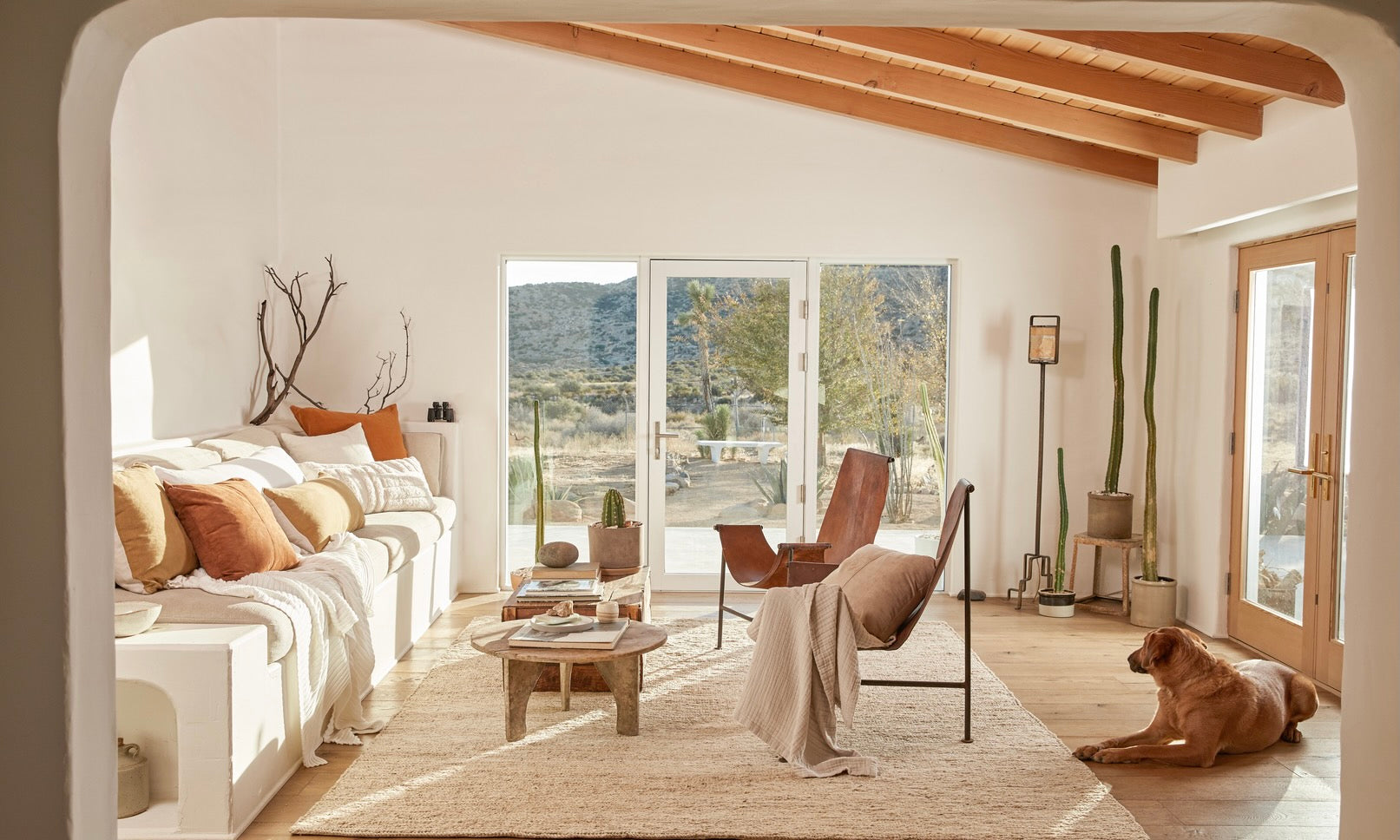
Interior Design That Feels Custom a home should resonate with its inhabitants as if it were hand‑tailored. Spaces imbued with bespoke details, artisanal finishes, and intentional layering give rise to a custom feel interior style—a realm where every corner, surface, and accent seems uniquely crafted. The alchemy of personalization transforms mere rooms into extensions of identity, narratives, and taste.
Short. Then long: By weaving bespoke millwork, curated color narratives, and one‑off furnishings into an integrated tapestry, interiors acquire an unmistakable sense of authorship and soul.
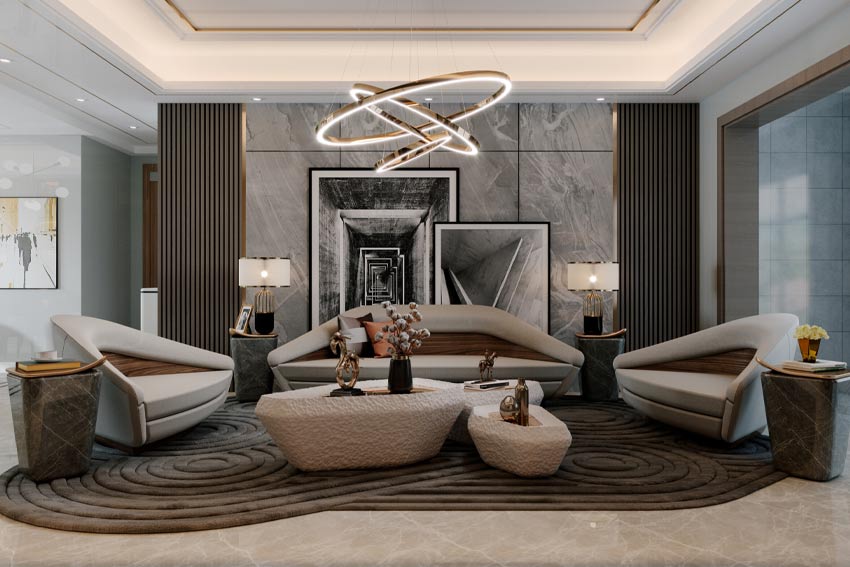
1. The Philosophy of Personal Imprint
Every person brings a constellation of experiences, preferences, and memories. A truly custom interior draws on these individual constellations:
Emotive Resonance: Textures and hues that evoke personal history—whether a grandmother’s quilt pattern or the coastal blue of a cherished vacation.
Artisanal Integrity: Hand‑made elements—carved wood, hand‑blown glass, hand‑stitched upholstery—imbue warmth and authenticity.
Narrative Layering: Objects and finishes that reference milestones: a vintage travel trunk, a locally sourced ceramic vase, or commissioned art.
This philosophy elevates design from generic specification to a deeply personal odyssey: a canvas that wears one’s own story.
2. Core Principles of Custom Feel Interior Style
- Site‑Specific Solutions
Every architectural feature—from window niches to angled ceilings—becomes an opportunity for bespoke joinery and fittings. - Material Palimpsest
Layer surfaces that speak of provenance: reclaimed oak boards, hand‑trowelled Venetian plaster, honed marble with fossil inclusions. - Color Curation
Develop a signature palette through custom‑mixed paints and dyes, tuned to the precise undertone that flatters light, shadow, and mood. - Craft Integration
Commission local artisans for metalwork, textiles, or ceramics. Their distinctive techniques ensure each piece is singular. - Functional Poetry
Furniture and fixtures are sculptural yet purposeful—hidden drawers, pop‑up charging modules, pivoting display cases. - Sensory Architecture
Acoustic treatments woven into wall panels, subtle under‑counter lighting embedded in mahogany shelves, and tactile handles carved with bespoke profiles.
3. Bespoke Millwork & Joinery
3.1. Custom Cabinetry
Cabinet doors carved with continuous grain patterns, never repeated. Soft‑close mechanisms engineered to silence. Interiors lined with hand‑dyed suede to cradle heirlooms.
3.2. One‑Off Mantels and Hearths
Reclaimed beam mantels reshaped to fit uneven ceiling heights. Hearth surrounds in inlaid terrazzo, calibrated to mirror floor‑tile fractions.
3.3. Engineered Nooks & Alcoves
Floating desks that fold into walls, revealing secret bookshelves. Window seats with contoured benches and hidden storage beneath hinged panels.
Uncommon terminology: “tectonic joinery” describes layers of wood, metal, and stone interlaced to form structural‑sculptural elements.
4. Curated Color Narratives
Off‑the‑shelf colors rarely align perfectly with vision. Custom walls begin with:
- Spectrophotometer Analysis: Sampling artwork, textiles, or natural surroundings, then formulating bespoke pigments.
- Gradient Applications: Ombré plaster finishes that transition from pale ivory to deep umber across a single wall.
- Contrast Washes: Subtle glazes applied over textured plaster, generating “stratified patination” reminiscent of ancient frescoes.
Accent furnishings—sofas in custom-dyed mohair, bespoke draperies in botanical block prints—reassert the color story in complementary keys.
5. Handcrafted Furnishings & Textiles
5.1. Upholstery Adventures
Commission a furniture maker to tailor a chair silhouette to your posture—seat depth, arm height, cushion density. Choose fabrics woven with custom slubs, knots, and metallic threads for “chiarotactile vitality.”
5.2. Artisanal Rugs
Hand‑knotted carpets with irregular wefts evoke landscape contours. Custom motifs—an abstracted family monogram, a stylized topography—embroidered within border fields.
5.3. Drapery & Soft Goods
Curtains cut from yardage hand‑printed using indigo vats or cochineal dyes. Edge‑stitched with contrasting thread for an artisanal flourish. Pillows and throws in bespoke wool blends, felted with botanicals for subtle fragrances.
Short. Then long: Each textile element becomes a tactile storyteller, referencing lineage and locale.
6. Architectural Impact: Walls, Ceilings, Floors
6.1. Feature Walls
Emphasize focal planes with inlaid wood veneers or resin panels embedded with natural inclusions—seashells, minerals, or botanical fragments.
6.2. Ceiling Treatments
Coffered ceilings clad in hand‑beaten copper or silk‑backed grasscloth. Custom stencilling in metallic mica paints yields a “constellatory shimmer” overhead.
6.3. Flooring Artistry
Parquet patterns laid in bespoke configurations—herringbone nested within chevron borders. Stair treads surfaced in ebonized ash with luminous resin inlays.
Uncommon phrase: “spatial marquetry” for layered floor patterns that map movement across rooms.
7. Lighting as Bespoke Sculpture
7.1. Signature Pendants
Commission blown‑glass fixtures with organic contours mirroring local geology—agate‑like striations, smoky quartz ombrés.
7.2. Integrated Fixtures
Recessed lighting modules with custom‑drilled trims, projecting precise beam spreads. Wall‑washer details honed to highlight rail‑carved paneling.
7.3. Decorative Lamps
Table lamps built around found objects—a driftwood branch, an antique architectural fragment—transformed into lamp bases by a metal artisan.
Short. Then long: Lighting becomes a choreography of matter and luminescence, casting bespoke patterns onto walls and floors.
8. Personalized Art Curation
- Site‑Specific Installations: Local sculptor commissions a site‑fitting piece that responds to ceiling height and sightlines.
- Rotating Exhibits: Custom hanging systems allow effortless swapping of canvas sizes and orientations.
- Micro‑Galleries: Integrated niches fitted with LED picture lights and floating shelves for small collections of works on paper.
Each art selection aligned to the custom feel interior style narrative, forging emotive connections.
9. Sensory & Smart Integration
9.1. Acoustic Alchemy
Textured wall panels in cork, wool, or felt sculpt rooms for sound clarity—imperceptible installations that feel invisible yet tangible.
9.2. Scent‑Diffusion
Concealed in millwork, fragrance silos dispense custom-designed blends of cedar, bergamot, and amber at timed intervals.
9.3. Smart Controls
Hidden rotary dimmers and flush‑mounted sensors preserve clean lines while offering intuitive control over light, shade, and climate.
Long: The interplay of technology and craftsmanship ensures that functionality remains seamlessly integrated, never detracting from the handcrafted ambiance.
10. Room‑by‑Room Custom Strategies
10.1. Living Room
- Focal Joinery: A bespoke media wall with asymmetrical niches for display and cabinet doors veneered in book-matched walnut.
- Seating: Modular sofas tailored to the room’s exact dimensions, with cushions upholstered in custom-dyed velvet.
- Rug: Oversized, hand-knotted carpet featuring a custom abstract motif derived from aerial landscape photography.
- Lighting: Integrated linear LEDs within a plaster soffit, complemented by a central Murano‑style chandelier featuring custom‑blown glass orbs.
10.2. Kitchen
- Cabinet Inlays: Front panels in inlaid flaxwood geometric tessellations.
- Countertops: Resin‑infused butcher block containing embedded river pebbles from a nearby stream.
- Island: Custom height and overhang calibrated to the chef’s posture, with motorized pop‑up spice racks.
- Lighting: Under‑cabinet strips concealed behind a brass fillet; adjustable pendant rails for artful positioning.
10.3. Dining Room
- Table: Hand‑carved dining table in live‑edge teak, shaped to follow the wood’s natural contours.
- Chairs: Side chairs reupholstered in patterned linen, internally reinforced with shaped steel frames.
- Built‑Ins: A display cabinet with backlighting and adjustable shelving, clad inside with custom‑printed fabric.
- Lighting: A linear chandelier with adjustable height and direction, finished in custom‑patinated metal.
10.4. Bedroom
- Bed: Platform with headboard in compressed straw‑mat detailing, referencing traditional Tatami weaving.
- Nightstands: Carved stelae of dyed ash.
- Closet: Walk‑in outfitted with leather‑lined drawers and bespoke hanging rods.
- Lighting: Backlit headboard edges and concealed toe‑kick LEDs along storage benches.
10.5. Bathroom
- Vanity: Floating slab of marble quarried locally, cut to preserve veining continuity.
- Basins: Hand‑formed ceramic bowls glazed in custom gradient hues.
- Fixtures: Solid‑brass fittings machined to ergonomic profiles.
- Accents: Inset mosaic niches in artisan‑made glazed tiles.
- Lighting: Concealed cove lights washed behind a translucent onyx panel.
11. Common Pitfalls & Solutions
| Pitfall | Solution |
|---|---|
| Overabundance without cohesion | Anchor with a consistent motif—material, color, or pattern |
| Generic “builders’ grade” finishes | Replace with custom alternatives—plaster, inlays, artisanal hardware |
| Functional compromises | Integrate bespoke furniture tailored to ergonomic and spatial needs |
| Clashing styles | Develop a unifying narrative—textural, chromatic, or thematic |
| Loss of flow | Maintain clear circulation and sightlines, using built‑ins sparingly |
12. Sustainability & Ethical Craftsmanship
- Local Sourcing: Commission regional woodworkers, ceramists, and metalworkers to reduce carbon footprint.
- Reclaimed Materials: Upcycle vintage elements—doors, beams, hardware—into new configurations.
- Low‑VOC & Natural Finishes: Preserve health and material integrity.
- Fair‑Trade Textiles: Hand‑loomed fabrics from ethical cooperatives.
This ethos aligns the exclusive nature of customization with global responsibility.
13. Uncommon Terminology to Enhance Dialogue
- Palimpsestic Interiors: Layers of finish and joinery revealing historical fragments.
- Tectonic Joinery: Structural‑sculptural woodwork that interlocks planes like geological strata.
- Chiarotactile Artifacts: Elements that play on light/shadow dynamics and tactile presence.
- Synaesthetic Craft: Designs that evoke multiple senses—sight, touch, and even scent.
- Aeriform Modularity: Furniture and fittings that reconfigure seamlessly, as fluid as air.
14. Final Reflections
Interiors that resonate with a custom feel interior style transcend trend and prefab limitation. Through site‑specific joinery, curated palettes, artisanal furnishings, and sensory integration, homes become intimate sanctuaries of expression. Each bespoke element echoes personal narratives, crafting a space that feels not just designed, but authored—and deeply lived.