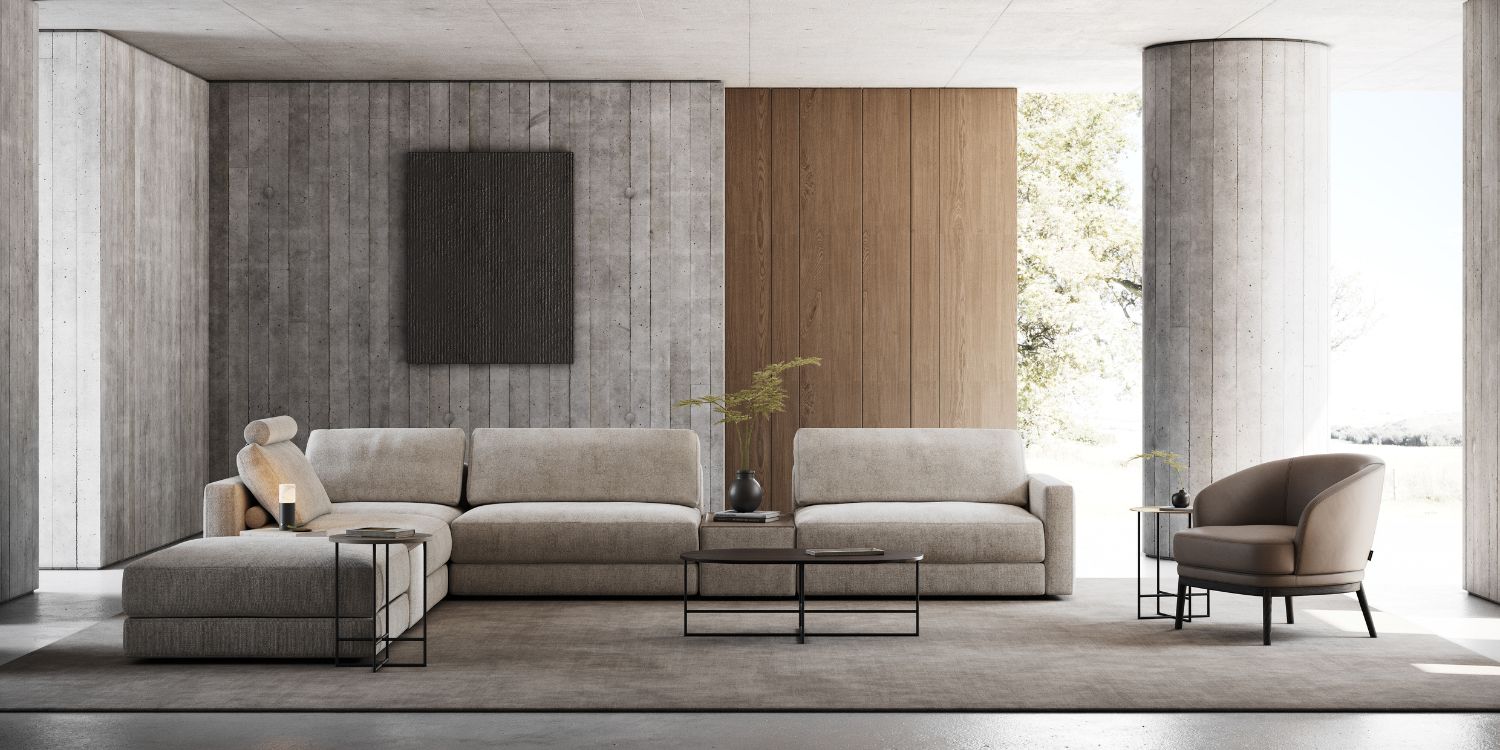
Light-Filled Interior Design Ideas natural illumination transforms a room from merely inhabitable to transcendent. A well-lit space invigorates the senses, uplifts the spirit, and forgives spatial limitations. These light filled design inspiration concepts delve into every facet of harnessing daylight, optimizing artificial light, and orchestrating luminance into a symphony that breathes life into interiors.

The Psychology of Light
Sunlight is more than illumination; it is a mood regulator. Exposure to daylight synchronizes circadian rhythms, elevates serotonin levels, and mitigates seasonal affective disorder. Conversely, poorly lit rooms induce lethargy and visual strain. Achieving a light filled design inspiration requires both an understanding of light’s physiological impact and a mastery of spatial choreography.
Core Principles of Radiant Interiors
- Maximize Daylight Access
Remove obstructions. Thin mullions, minimal frames—every square millimeter of glazing counts. - Diffuse and Disperse
Sheer curtains, frosted glass, and translucent screens scatter harsh sunbeams into a gentle luminance. - Reflect and Amplify
Mirrored surfaces, lacquered finishes, and glossy tiles bounce light deeper into the room. - Balance Warmth and Coolth
Choose light sources with adjustable color temperatures—warm amber for evening repose, cool white for productivity in daylight hours. - Layer Light Sources
Combine ambient, task, and accent lighting. Each stratum contributes to a nuanced chiaroscuro rather than a flat wash. - Integrate Nature’s Palette
Light refracted through foliage creates dappling effects. Position plantings for alpenglow impulses at dawn and penumbra textures by dusk.
Architectural Strategies
Expansive Glazing
- Floor-to-Ceiling Windows: Create a portal between interior and exterior.
- Sliding Glass Walls: Collapse the boundary when weather permits.
- Clerestory Openings: Admit high-level light without compromising privacy.
Skylights and Roof Lanterns
Skylights introduce vertical shafts of light, ideal for hallways, bathrooms, and kitchens. Roof lanterns over central living areas generate a luminous atrium effect.
Light Wells and Solariums
Excavate interior courtyards or enclosed glass verandas. These micro-environments act as solar collectors, diffusing brightness throughout surrounding rooms.
Material Palettes for Luminance
| Material | Application | Luminance Effect |
|---|---|---|
| Whitewashed Oak | Flooring | Reflects and softens daylight |
| Polished Concrete | Countertops, floors | Subtle sheen that amplifies overhead light |
| Lacquered MDF | Cabinet fronts | Mirror-like quality for bounce |
| Translucent Onyx | Backsplashes, accents | Backlit glow reminiscent of alabaster |
| Handcrafted Mirrors | Walls, panels | Depth and multiplied vistas |
Uncommon Terminology
- Aphelion Glimmer: The cool brilliance felt in high summer light.
- Chiarolucent Layering: Interplay of shadows and highlights for visual texture.
- Lucent Carpentry: Woodwork finished in light-reflective lacquers.
- Penumbral Zoning: Gradients of light leading from bright cores to softer peripheries.
Color and Finish Selections
A palette of pale neutrals enhances reflectivity. Tints of oyster white, dove grey, and mist blue create an expansive backdrop. Accent walls in pearlescent finishes produce prismatic effects when struck by sunbeams.
- High-Gloss Lacquer: Ideal for cabinetry and ceilings.
- Satin-Matte Walls: Evade glare while maintaining reflectance.
- Metallic Accents: Brass, stainless steel, and champagne bronze fixtures catch and redirect light.
Furniture and Decor for Radiant Spaces
Low-Profile Furnishings
Furniture with slim silhouettes and raised legs allows light to circulate underneath, avoiding visual heaviness.
- Lucite Tables: Virtually disappear, letting light flow uninterrupted.
- Wire-Frame Seating: Create a lattice of shadows that shift with daylight angles.
Reflective Accessories
- Polished Chrome Vases: Scatter specular highlights.
- Mirrored Coffee Tables: Double the perceived brightness.
- Glass Bead Rugs: Tiny facets catch light like gemstones underfoot.
Layered Lighting Techniques
- Ambient
Recessed fixtures with diffusers deliver an even base illumination. - Task
Adjustable pendants and under-cabinet LEDs focus light where needed—kitchen counters, reading nooks, desks. - Accent
Wall sconces, spotlights, and picture lights frame artworks and architectural features.
Smart controls enable seamless transitions: a morning boost of 6500K ‘daylight’ shifting to a relaxing 2700K ‘sunset’ glow by evening.
Room-by-Room: Implementing Light Filled Design Inspiration
Living Room: A Celestial Salon
Begin with a wall of glass that reflects the sky. Pair slim-framed windows with retractable screens. A central chandelier of blown-glass pendants echoes raindrop motifs. Upholstery in linen and silk-lamé captures both diffuse daylight and lamplit warmth. A polished alabaster side table glows from integrated LED cores—an objet d’art by night.
Short. Then long. Then prolong.
Kitchen: Culinary Vista
Cabinets in high-gloss cream flank a window splashback. Beneath upper cupboards, backlit onyx panels provide both task light and sculptural drama. A skylight above the island generates an ever-changing beam that delineates chopping zones. Counter stools in bent-wire steel catch shadows that migrate as the sun arcs.
Bedroom: Dreamscapes in Light
Translucent linen drapes diffuse morning sun. Behind the bed, a backlit alabaster headboard bathes the room in a soft opalescence. Concealed cove lighting in the ceiling plinth simulates first light. Mirrors recessed into wardrobe doors extend the vista. A crystal pendulum lamp casts prismatic rainbows across pale walls.
Bathroom: Spa of Daylight Rituals
Roof lanterns channel fierce zenith sun to the bathtub rim. Frosted glass partitions ensure privacy without sacrificing brightness. Walls clad in marble-veined porcelain reflect both daylight and candlelight. A backlit niche showcases fragrance oils and pebble vessels in muted chiaroscuro.
Home Office: Clarity and Focus
A clerestory window above eye level admits glare-free light. A cantilevered desk in lacquered white floats before textured grasscloth walls. Task lighting on the desk edge uses perforated metal to create a soft starburst effect. A mirrored whiteboard behind the workspace doubles as a light amplifier.
Entryway and Hall: Illuminated Passage
Long corridors benefit from ribbon windows at ceiling height. Recessed floor uplights wash walls in gentle gradients. Glossy floor tiles reflect both upward and lateral light. A skylit vestibule becomes a beacon, guiding visitors inward.
Outdoor-Interior Thresholds
Deploy retractable glass walls that, when open, fuse terrace and living room. In cooler months, a solarium functions as a light reservoir, its glazed roof supporting potted palms that cast dancing coronas.
Case Study: A Sunlit Atrium Loft
In a converted industrial warehouse, designers replaced a solid roof section with a glazed barrel vault. Beams were powder-coated white to recede. The floor uses honed concrete seeded with tiny quartz fragments that glitter beneath sunlight. A custom bench of perforated steel and frosted resin acts as both seating and light diffuser, offering dusk-time luminescence.
Common Pitfalls and Correctives
- Over-Transparency
Too much clear glazing can overheat and glare.
Correction: Add low-E coatings, external louvers, and adjustable solar shades. - Flatness
Uniform lighting lacks depth.
Correction: Introduce accent and task layers. Vary beam angles and intensities. - Color Temperature Clash
Mixing warm and cool lamps without strategy creates visual dissonance.
Correction: Use tunable white fixtures or designate zones by color temperature. - Neglected North-Facing Rooms
These spaces often feel gloomy.
Correction: Employ mirrored art, pale walls, and uplighting to compensate.
Sustainability Considerations
- Daylight Harvesting Controls: Dim artificial lights automatically when natural light is sufficient.
- Low-E, Argon-Filled Glazing: Improves insulation without sacrificing clarity.
- Solar Tubes: Channel daylight into windowless interior spaces.
- Biophilic Integration: Place plants in well-lit spots to enhance air quality and daylight diffusion.
Personalization: Curating Radiant Details
- Stained-Glass Transoms: Introduce colorful refractions at room thresholds.
- Laser-Cut Screens: Project patterned shadows across floors and walls.
- Prismatic Chandeliers: Transform ceiling fixtures into kaleidoscopic centers of attention.
- Trompe-l’œil Murals: Painted skyscapes that extend daylight into darker corners.
Maintaining Luminosity
Routine cleaning of glazing surfaces prevents grime buildup. Refinish high-gloss materials to preserve reflectivity. Service skylight seals and shade mechanisms to ensure optimal performance. Recharge integrated LED modules as needed to maintain uniformity.
A well-executed light filled design inspiration marries architecture, material science, and human psychology. It cultivates environments that feel expansive, nurturing, and endlessly variable. By integrating daylight strategies, reflective materials, layered illumination, and judicious color palettes, interiors become luminous realms—sanctuaries of wellbeing where every corner resonates with radiant possibility.