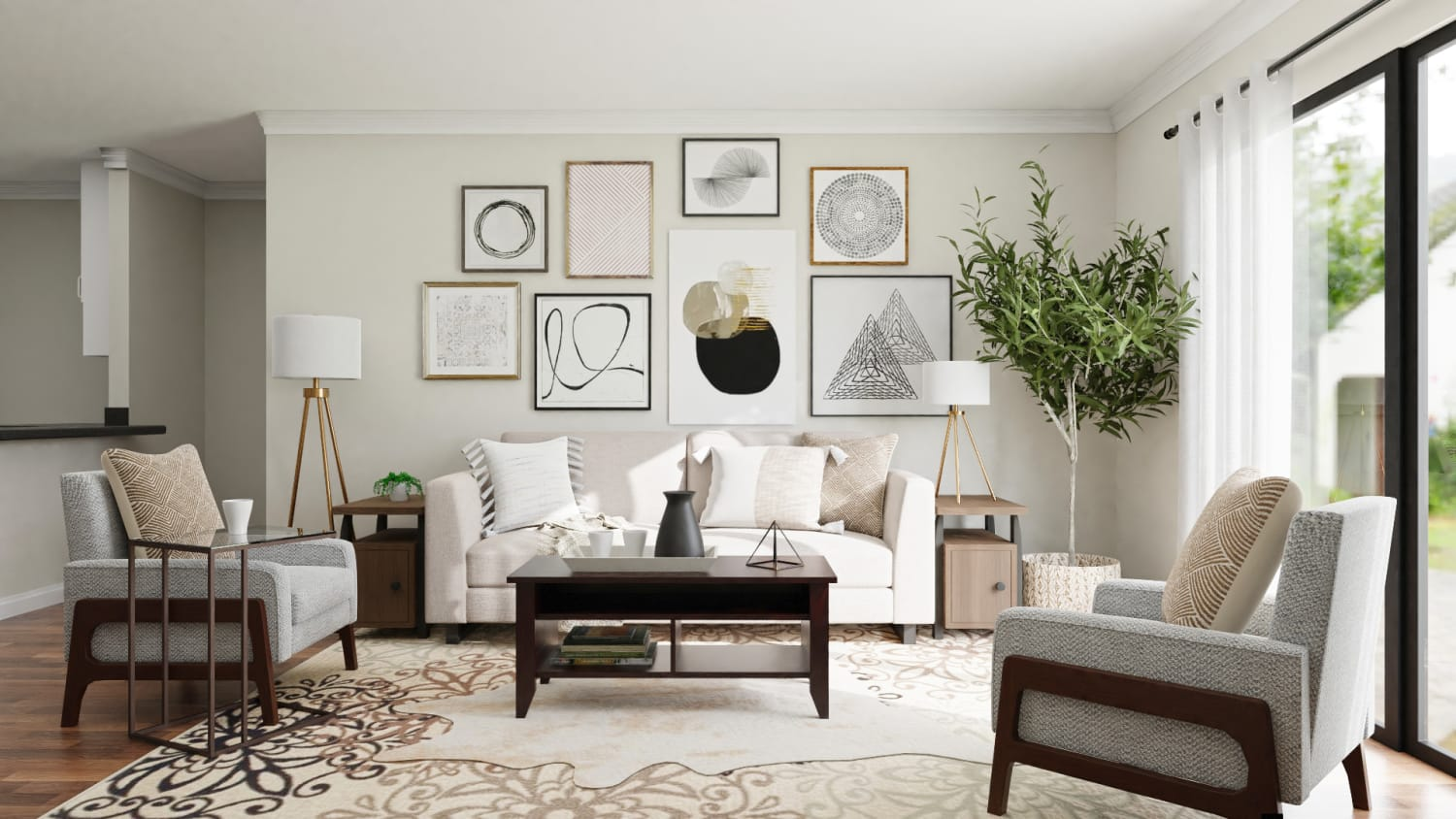
Minimalist Home Decor That Feels Warm minimalism has long been associated with stark spaces, sleek lines, and a crisp, almost clinical aesthetic. But today’s interpretation of minimalism has taken on a much softer tone. Homeowners and designers alike are embracing a version that feels cozy, inviting, and deeply personal. Welcome to the world of warm minimalist home decor—a design philosophy that finds harmony between simplicity and soul.
Unlike its more rigid predecessors, this approach softens the sharp edges of traditional minimalism by integrating tactile materials, earthy tones, and thoughtful details. The goal isn’t to strip away comfort but to make space for it. Through strategic layering, natural textures, and meaningful objects, minimalism becomes not only livable but lovable.
1. Embrace a Muted Earth-Toned Palette
Color is the first language of warmth. While minimalism typically leans into grayscale palettes, adding subdued shades like clay, ochre, soft olive, warm beige, and blush can shift the mood entirely.
Use these tones on your walls, upholstery, or decorative accents. A terracotta vase or taupe linen throw can ground the space without disrupting the minimalist ethos.
This subtle infusion of color adds dimension and soul while maintaining visual clarity.
2. Incorporate Natural Materials
Think wood, wool, rattan, linen, leather, and clay. These materials inherently possess warmth and character.
Opt for oak or walnut wood furniture with matte finishes. Introduce woven baskets, jute rugs, or stoneware to add texture and authenticity.
Layering natural materials not only enhances the tactile experience but also ties the space back to nature—a key element in warm minimalist home decor.
3. Use Lighting to Set the Mood
Minimalist design often emphasizes natural light, but artificial lighting plays an equally critical role in setting the tone.
Choose soft white or warm yellow LED bulbs to mimic natural sunset tones. Paper lanterns, linen lampshades, and sconces with dimmers allow you to create layers of ambient light.
Candles and lanterns—particularly in handmade vessels—bring flickering charm to minimalist spaces.
4. Limit Decor but Choose Meaningful Pieces
Quality over quantity defines this style. Instead of cluttering shelves, choose a few decor items that carry personal value or artisanal integrity.
A sculptural ceramic bowl, a handwoven wall hanging, or a framed black-and-white photo can serve as understated yet powerful focal points.
Every item should serve a visual or emotional purpose.
5. Prioritize Cozy Textiles
Softness underfoot and overhead is crucial in transforming minimal into warm. Layer plush area rugs, linen curtains, chunky wool throws, and tactile pillows.
Even in a monochrome palette, texture variation creates depth. Opt for crinkled cotton, washed linen, or slub wool.
These elements evoke comfort while maintaining the minimalist principle of restraint.
6. Choose Rounded Forms Over Harsh Lines
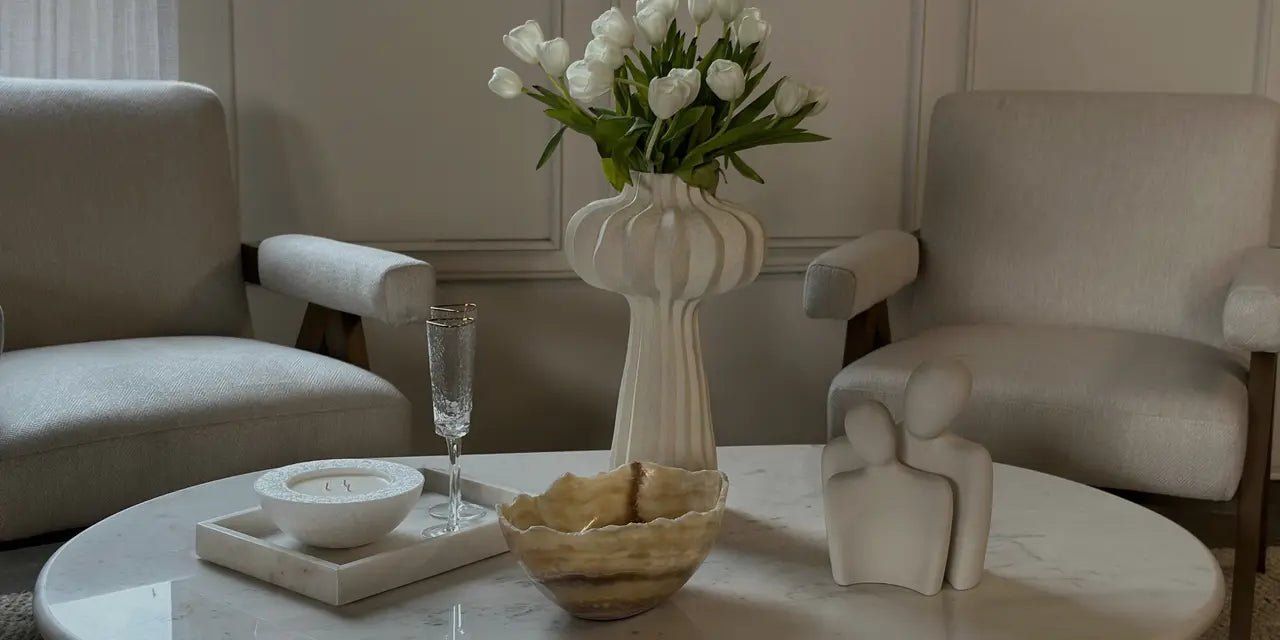
Clean lines are a hallmark of minimalism, but incorporating curvature adds a gentle touch. Look for round coffee tables, oval mirrors, or curved-back chairs.
Organic shapes mimic nature and invite relaxation. They soften the angularity often found in traditional minimalist interiors.
The result is a space that feels both structured and soothing.
7. Embrace Open, Airy Layouts
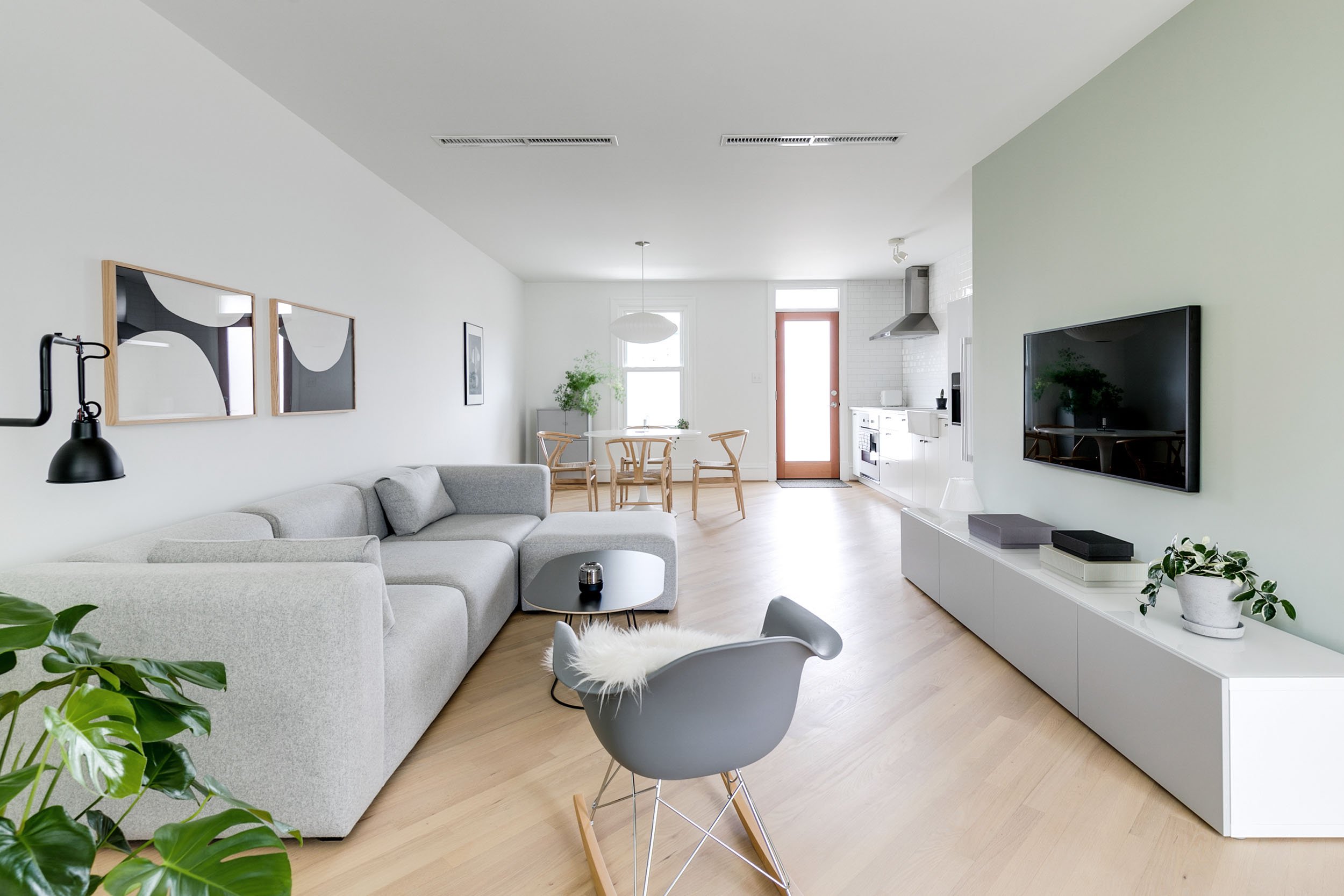
Clutter-free doesn’t mean character-free. Open floor plans with negative space allow key pieces to shine.
Float furniture away from walls, use rugs to define zones, and ensure clear pathways for movement.
This spatial breathing room supports mental calm and visual harmony.
8. Infuse the Space with Scent and Sound
Sensory layers are often overlooked in design but are essential for creating warmth.
Introduce scented candles, essential oil diffusers, or fresh herbs like rosemary or lavender in minimalist vessels.
Soft background music or nature sounds playing from a hidden speaker can turn your space into a multisensory haven.
9. Add Personal Art and Photography
Minimalist doesn’t mean sterile. Personal touches—especially curated wall art—add a sense of intimacy and identity.
Stick to neutral frames or frameless mountings to preserve the clean aesthetic. Choose artwork with calming tones or minimalist compositions.
Even a single large canvas can become an emotive centerpiece.
10. Elevate Storage to an Artform
Minimalism demands organization. But that doesn’t mean hiding everything behind closed doors.
Use built-in shelves, pegboards, or open cabinetry with neatly arranged items. Think glass jars with spices, linen-covered boxes, or wooden trays.
Let storage blend into the overall decor theme seamlessly.
11. Bring the Outdoors In
Nature is inherently calming. Introduce potted plants, dried branches, or a curated display of pebbles and pinecones.
Choose low-maintenance options like snake plants, ZZ plants, or air plants. Their sculptural forms complement minimalist aesthetics.
Even a vase with a single stem can transform the energy of a room.
12. Make Room for Rituals
Designing intentional spaces for rituals—like reading nooks, morning meditation corners, or tea prep stations—adds purpose and personality.
Include a comfortable chair, a small side table, a soft throw, and maybe a candle. These zones serve as daily reminders to slow down and enjoy.
They are the heartbeat of warm minimalist home decor.
13. Tone-on-Tone Styling
Layering similar hues is a minimalist’s secret weapon. Play with variations of white, cream, and sand to create a rich, cohesive palette.
Mix matte and glossy finishes, dense and airy fabrics, and warm and cool tones of the same color family.
This technique adds subtle sophistication without overwhelming the senses.
14. Go Vintage and Handmade
Pre-loved furniture and handcrafted pieces bring unmatched charm. Incorporate antique wooden stools, reclaimed tables, or hand-stitched cushions.
These unique items introduce character and a sense of history into otherwise pristine environments.
The juxtaposition of old and new enlivens minimalist decor with authenticity.
15. Highlight Architectural Details
Instead of relying on accessories, let your home’s bones be the star. Exposed beams, arched doorways, wall niches, and textured plaster walls speak volumes.
Use soft uplighting or natural light to enhance these details.
Let the structure of your space become a sculptural backdrop.
16. Understated Window Treatments
Floor-to-ceiling sheer curtains in soft neutrals filter light beautifully and add movement.
Roman shades in linen or cotton offer clean lines without harshness. Avoid heavy drapes unless in colder climates, and stick with light fabrics that flutter.
Windows are portals for light and calm—let them breathe.
17. Use Functional Art
Select furniture or storage that doubles as art. Sculptural chairs, asymmetrical shelves, or handcrafted ceramic stools serve dual purposes.
Minimalist pieces that surprise with form bring delight without cluttering.
Focus on objects that perform while pleasing the eye.
18. Be Deliberate with Empty Space
In warm minimalist home decor, space is sacred. Resist the urge to fill every surface.
Let certain corners or walls remain untouched to allow the room’s energy to flow freely. This creates contrast and lets each design element breathe.
Empty space can be as powerful as any piece of furniture.
19. Welcome Patina and Imperfection
Perfectly smooth surfaces and pristine finishes can feel cold. A worn wood table, a slightly irregular bowl, or a wrinkled linen slipcover adds humanity.
Wabi-sabi—the Japanese philosophy of beauty in imperfection—aligns beautifully with warm minimalism.
These flaws make your home feel more lived-in and loved.
20. Mindful Arrangement and Flow
The positioning of each element should feel intuitive. Observe how light moves through the space and where people naturally gravitate.
Use this awareness to place seating, lighting, and decor thoughtfully.
Function and feeling should drive every placement decision.
Warm minimalist home decor balances the art of restraint with the comfort of thoughtful, sensory-rich details. It is about creating a space that soothes rather than overwhelms—one that leaves room for breath, light, and personal rituals.
Through earthy palettes, textural contrast, and intentional design choices, this aesthetic invites serenity without sacrificing style. It’s minimalism with a heartbeat. Let your home become a refuge that radiates both clarity and coziness—proof that simplicity can indeed feel like a warm embrace.