Minimalist Interior Design Made Simple crafting a serene, clutter-free living space doesn’t require an army of contractors or a bottomless budget. By adhering to fundamental principles and introducing judicious details, you can achieve a tranquil abode that feels expansive and purposeful. Below are expert strategies and simple minimalist design ideas—woven together with concise bursts and more elaborate insights—to guide your journey toward streamlined sophistication.
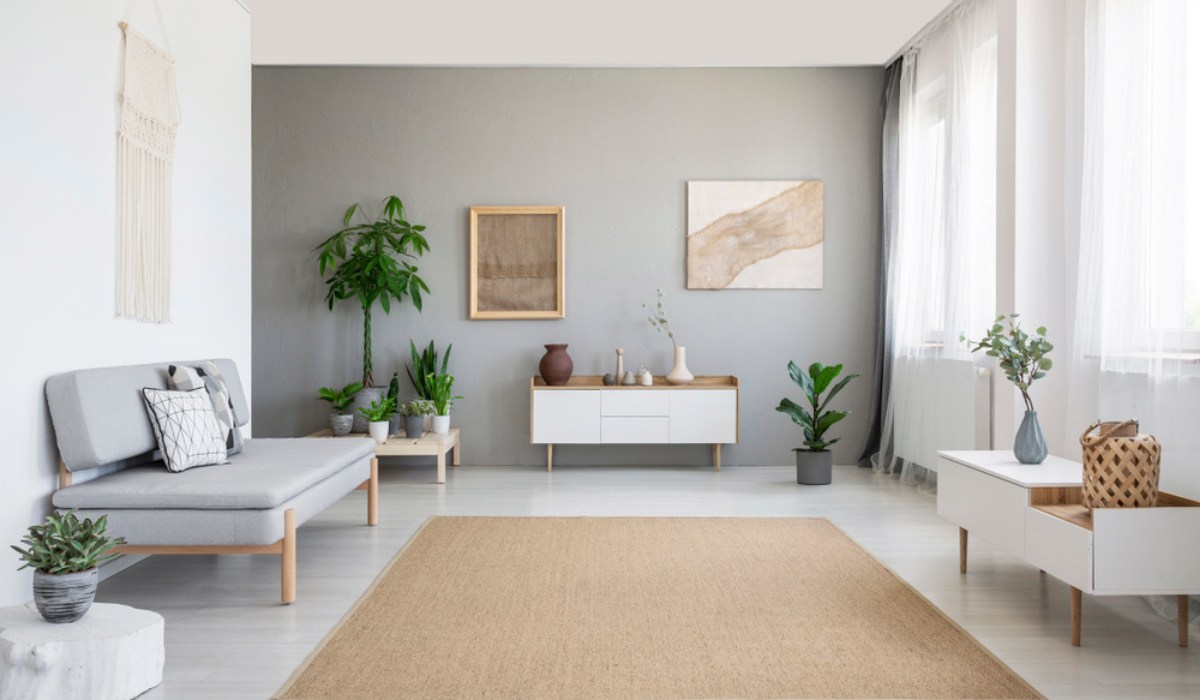
Embrace the Core Principle: “Less Is More”
Minimalism thrives on intentional reduction. Each element in a room must justify its presence, either functionally or aesthetically.
Short sentence.
Longer sentence to elaborate on context and nuance, ensuring clarity about why restraint is paramount.
- Functional Justification: Furniture should serve a clear, necessary purpose—no more, no less.
- Aesthetic Merit: Decorative objects must contribute to the overall harmony rather than compete for attention.
- Emotional Resonance: Every piece should evoke calm, joy, or inspiration.
These simple minimalist design ideas underscore the importance of deliberate curation: choose quality over quantity, and let negative space breathe life into your interiors.
Begin with a Clear Plan
Chaos often stems from a lack of direction. Before moving any furniture, map out your intentions.
- Define Zones: Assign areas for lounging, working, dining, and circulation.
- Measure Precisely: Record each wall’s length, window placements, and floor obstacles.
- Mood Boarding: Compile textures, palettes, and inspirational imagery in one cohesive vision.
Short. Then a longer clarification: sketched floor plans and digital mock‑ups help prevent costly mistakes. A clear roadmap streamlines decision-making and prevents drifting into visual disarray.
Opt for a Neutral Foundation
A restrained color palette amplifies the sense of serenity and cohesion.
- Monochromatic Schemes: Varying tints of ivory, dove gray, or muted beige create depth without visual noise.
- Accent on Contrast: Introduce a single charcoal wall or a slate-gray cabinet to anchor the space.
- Metallic Accents: Brushed nickel or matte black hardware offers refined punctuation.
Deploy simple minimalist design ideas by painting walls in soft eggshell rather than glossy finishes, which minimize reflections and keep focus on forms, not flaws.
Streamlined Furniture Selection
Furniture should embody clean lines, unembellished profiles, and versatile functionality.
- Low‑Profile Sofas: Choose seats with slender arms and exposed legs to reveal more floor area.
- Floating Shelves: Eliminate bulky bookcases while providing display and storage.
- Modular Pieces: Sectional units that adapt to different room layouts.
Concise. Then detailed: seek Scandinavian-inspired designs—solid wood frames with light upholstery—that age gracefully and maintain structural integrity.
Conceal Clutter with Innovative Storage
Hidden storage is the minimalist’s secret weapon. It keeps surfaces bare and minds unburdened.
- Under-Bed Drawers: Utilize the seldom-seen space beneath your mattress.
- Built-In Cabinets: Floor-to-ceiling panels with push-to-open mechanisms maintain clean sightlines.
- Ottomans with Compartments: Dual-purpose seating that tucks away blankets or reading materials.
These strategies exemplify simple minimalist design ideas by championing camouflaged storage solutions—where function vanishes into form.
Layer Textures for Depth
Flat, featureless rooms feel sterile. Texture introduces subtle complexity without compromising simplicity.
- Natural Fibers: A jute area rug or a hemp throw adds organic warmth.
- Leather Accents: A saddle-leather lounge chair speaks to timeless craftsmanship.
- Matte Finishes: Opt for plastered walls or raw concrete surfaces for understated tactility.
Short, punchy line. Depth emerges when juxtaposing smooth, reflective surfaces—like glass table tops—with nubby, matte finishes on upholstery or wall treatments.
Illuminate with Purpose
Light defines space and mood. Adopt a layered lighting strategy to enhance both utility and ambiance.
- Ambient Lighting: Recessed LED downlights deliver even, glare-free illumination.
- Task Lighting: A sleek, adjustable desk lamp or under-cabinet fixtures focus brightness where needed.
- Accent Lighting: Subtle cove lighting or floor uplights evoke a soft, sculptural glow.
This approach ranks among simple minimalist design ideas by emphasizing function-first luminaires that retract from view when not in use.
Integrate Thoughtful Accents
Minimalism doesn’t mean absence of personality. Pick a handful of curated items that resonate.
- Statement Sculpture: A single, organic-form art piece on a pedestal or console.
- Monochrome Artwork: Black-and-white photography in unadorned frames.
- Potted Foliage: A tall fiddle-leaf fig or a cluster of succulents introduces life without clutter.
Short sentence. These accents anchor the space and serve as focal points—nothing more, nothing less.
Mindful Materiality
Sustainability and longevity go hand in hand with minimalism.
- Reclaimed Wood: Coffee tables, shelving, or wall panels crafted from repurposed timber.
- Ceramic and Stone: Tiles or tableware in matte porcelain or honed marble.
- Organic Fabrics: Hemp, linen, or cotton without synthetic blends.
These simple minimalist design ideas stress material provenance and tactile authenticity, ensuring your interior stands the test of time both visually and ethically.
Optimize Spatial Flow
Movement within the home should feel intuitive and unimpeded.
- Clear Pathways: Maintain at least 30 inches (76 cm) of walking space around furniture groupings.
- Visual Continuity: Align furniture with architectural lines—windows, doors, and wall niches.
- Zone Transitions: Use area rugs or lighting changes to delineate functions without erecting barriers.
Short remark. A harmonious flow reinforces calm, making rooms feel larger than their square footage.
Introduce Subtle Color Pops
While neutrals dominate, a whisper of color enlivens a minimalist palette.
- Cerulean Throw Pillow: One cushion on a sandy-hued sofa recharges the visual field.
- Olive Green Planter: A glaze finish that complements natural foliage.
- Terracotta Vase: A muted rust tone that grounds a pristine countertop.
These restrained injections exemplify simple minimalist design ideas, ensuring accents are felt—not flaunted.
Embrace Curated Imperfection
Wabi-sabi philosophy celebrates the beauty of impermanence and imperfection.
- Handmade Pottery: Slightly asymmetrical bowls and cups with earthy glazes.
- Distressed Metals: A patinated brass tray or aged copper vessel.
- Uneven Textiles: Handwoven throws with minor irregularities.
Short. Imperfect surfaces offer a quietly compelling counterpoint to crisp geometry, fostering a lived-in authenticity.
Transform Small Spaces
Compact areas demand even more deliberate choices.
- Mirrored Panels: Strategically placed to double perceived depth.
- Retractable Tables: Wall-mounted leaf tables that fold away when not needed.
- Vertical Storage: Tall, thin shelving that exploits height.
These techniques distill simple minimalist design ideas for efficiency, stretching every inch into purposeful use.
Cultivate a Minimalist Sanctuary
Bedrooms and lounges should feel cocoon-like.
- Platform Beds: Low-slung frames without headboards for an airy, open feel.
- Floating Nightstands: Wall-mounted shelves to keep floors clear.
- Sound Absorption: Thick wool rugs or acoustic panels hidden within wall art.
Short. By paring back distractions, you create havens for rest, introspection, and rejuvenation.
Case Study: A Minimalist City Loft
Imagine a 600-square-foot city loft. White-painted brick walls and concrete floors establish a neutral backdrop. A compact, gray linen sofa sits atop a natural jute rug. Opposite, a wall-mounted media console in bleached oak conceals electronics behind push-to-open doors. Above, three recessed lights gently illuminate a single large-scale, monochrome photograph. Narrow floating shelves display a sparse collection: one sculptural vase, two succulents in ceramic pots, and a single hardcover book laid flat. The dining area consists of a wall-hung drop-leaf table paired with slender stools that tuck beneath unobtrusively. A single floor-to-ceiling curtain in hemp fabric drapes the window. Result: a serene oasis that feels roomy despite its modest footprint.
Practical Implementation Tips
- One Room at a Time: Tackle clutter and design choices in stages to avoid overwhelm.
- Invest in Foundations: Quality sofa, bed frame, and lighting—everything else can evolve.
- Edit Ruthlessly: If an item doesn’t spark joy or serve a function, remove it.
- Rotate Seasonally: Swap textiles or small accents to refresh without overhauling.
- Document Progress: Photograph each iteration to track growth and refine direction.
Short. These steps reinforce simple minimalist design ideas by promoting methodical, manageable transformations.
Maintenance and Mindset
Keeping minimalism alive demands both effort and attitude.
- Daily Reset: Spend five minutes decluttering surfaces before bedtime.
- Mindful Acquisitions: Ask, “Do I need this?” before bringing new objects into your home.
- Digital Declutter: Streamline visible tech—conceal cables, opt for wireless chargers, and hide remotes.
A minimalist mindset extends beyond design—it becomes a lifestyle of intentionality and clarity.
Minimalist interior design hinges on restraint, functionality, and purposeful beauty. By adopting these simple minimalist design ideas, you can sculpt living spaces that feel spacious, serene, and resilient against passing fads. From introducing hidden storage and textural layers to embracing curated imperfection and mindful maintenance, each strategy contributes to a cohesive whole. Begin your transformation today, one thoughtful choice at a time, and enjoy the graceful simplicity of a home that truly reflects clarity and calm.