
Natural Interior Design That Heals in an era of frenetic schedules and ceaseless digital stimuli, the home has become a sanctuary in dire need of reprieve. Healing natural interior decor offers more than mere aesthetics; it cultivates an environment where mind, body, and spirit can recuperate. By harnessing the restorative power of nature’s textures, hues, and materials, interiors become sanctuaries of well-being rather than mere displays of style.
The Philosophy of Natural Healing Spaces
The ethos behind healing natural interior decor is rooted in biophilia—the innate human inclination to affiliate with nature. Spaces imbued with organic motifs, daylight, and tactile materials evoke feelings of calm, reduce stress hormones, and facilitate restful sleep. Through deliberate curation of elements such as living walls, raw wood, and soothing color palettes, rooms transition from static compartments to dynamic ecosystems that support holistic health.
Core Principles of Restorative Design
1. Biophilic Integration
Incorporate verdant flora and biomorphic forms. A sculptural fern frond or a trailing pothos can become a living tapestry, filtering air and imbuing spaces with vivacity. Natural light is paramount; expansive windows, skylights, and strategically placed mirrors magnify sunshine, forging a connection to circadian rhythms.
2. Tactile Authenticity
Embrace the patina of time. Reclaimed timbers, hand-hammered copper, and natural stone surfaces invite touch. Each grain in wood and vein in marble tells a story, fostering mindfulness. Underfoot, sisal and seagrass rugs provide grounding, their coarse weaves a tactile reminder of the earth.
3. Chromatic Tranquility
Employ subdued, nature-derived pigments: moss green, adobe clay, misty blue, and ecru. These hues resonate with cerebral calm, echoing forest canopies and desert horizons. Accent shades—like muted ochre or terracotta—can lend warmth without disrupting serenity.
4. Spatial Flow and Sanctuary Zones
Design interiors as a sequence of refuge points. A reading alcove beneath a vaulted beam, a meditation niche railed by bamboo, or a window seat overlooking a garden—all encourage moments of pause. Furniture placement should facilitate unimpeded movement, avoiding clutter and fostering openness.
5. Sustainable Sourcing
Ethical acquisition of materials is non-negotiable. Salvaged timber, low-VOC paints, and upcycled furnishings not only minimize environmental impact but deepen the narrative of every item. Sustainability becomes an inherent aspect of the décor’s healing potential.
Signature Elements of Healing Interiors
Living Green Installations
- Vertical Gardens: Living walls composed of ferns, ivies, and bromeliads can transform blank partitions into humidified, oxygen-rich features.
- Potted Sanctuaries: Large-format plants—such as fiddle-leaf figs or monstera deliciosa—anchor corners, their glossy leaves a testament to verdant vitality.
- Moss Art Panels: Preserved moss mosaics add textural depth and require minimal upkeep, echoing sylvan tranquility.
Natural Material Palette
| Material | Application | Healing Quality |
|---|---|---|
| Reclaimed Wood | Floors, accent walls | Warmth, historical grounding |
| Cork | Flooring, wall tiles | Soft underfoot, sound dampening |
| Stone (Marble, Slate) | Countertops, hearths | Cool touch, earthen connection |
| Handwoven Textiles | Rugs, cushions, throws | Tactile comfort, artisanal resonance |
| Organic Cotton and Linen | Upholstery, drapery | Breathability, light diffusion |
Light Modulation
- Layered Illumination: Combine dimmable overhead fixtures, task lamps with fabric shades, and candlelight to sculpt mood and alleviate ocular fatigue.
- Natural Daylight Maximization: Sheer curtains and strategically placed clerestory windows allow controlled sunlight, reducing reliance on artificial lighting.
Sensory Accents
- Aromatic Elements: Diffuse essential oils—eucalyptus, lavender, pine—via terracotta reeds or ultrasonic diffusers to promote relaxation.
- Acoustic Softeners: Install jute wall hangings, wool tapestries, or cork panels to muffle ambient noise and cultivate auditory calm.
- Textural Layering: Unfurl woolen throws, alpaca-pelt cushions, and boucle ottomans to forge a sensorial tapestry under hand and foot.
Room-by-Room Healing Strategies
Living Room: Communal Rejuvenation
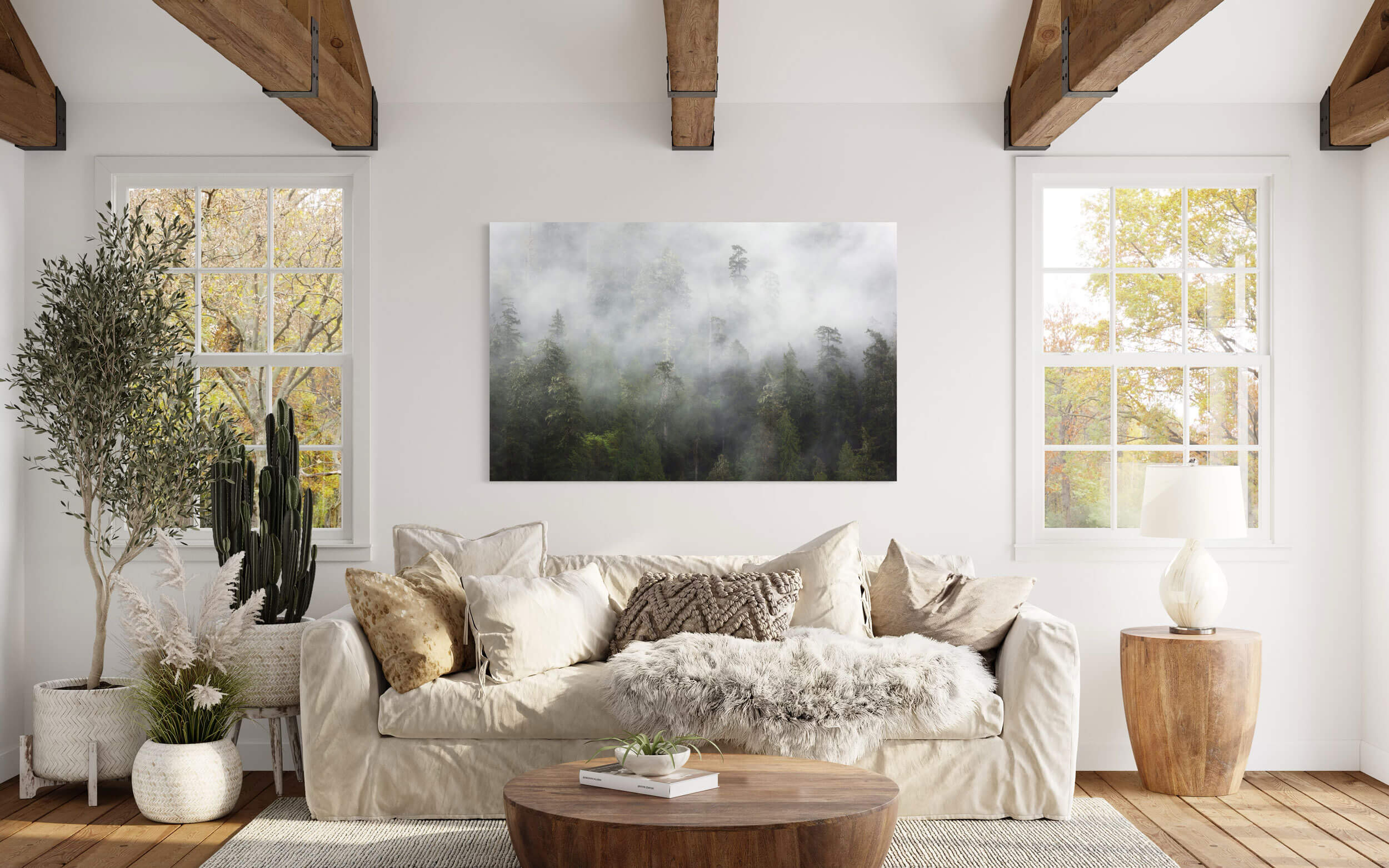
This central zone should encourage both sociability and repose. A large reclaimed-wood coffee table, its surface etched with knots and fissures, anchors a circular seating arrangement. Upholstered chairs in undyed linen flank a low-profile sofa upholstered in organic cotton. A corner devoted to a living wall fosters continual oxygen diffusion, while transient plant stands intersperse sculptural succulents. Overhead, a rattan pendant lamp casts latticed shadows, echoing sun-dappled forest canopies.
Bedroom: Personal Sanctuary
The bedroom is a cocoon. Install wooden slat headboards rising like the trunks of ancient trees. Layer linens in flax and cotton sateen—each fold inviting slumber. Nightstands hewn from single-tree cross-sections hold brass votives and amethyst clusters, combining gentle luminance with grounding mineral energy. A linen canopy overhead drapes like mist, fostering a sense of enclosure and safety. Soft carpeting in sisal underfoot muffles footsteps, preserving quietude.
Kitchen: Nourishment and Well-being
Incorporate soapstone countertops and butcher-block islands. These surfaces age gracefully, bearing patina with pride. Open shelving of reclaimed pine displays ceramic bowls and hand-spun wooden utensils. A herb wall—basil, thyme, rosemary—imbues cooking with fresh aromas and renders the kitchen an olfactory haven. Under-cabinet LED strips concealed behind cork slats provide warm task lighting that mimics sunrise.
Bathroom: Ritualistic Cleansing
Bathrooms should evoke spa-like serenity. Large-format slate floor tiles underfoot, heated for tactile warmth. A vessel sink carved from river rock sits atop a live-edge oak vanity. Walls clad in Venetian plaster impart soft shadows and textural intrigue. Integrate a recessed niche for candles and essential-oil burners, so that each bath becomes an aromatic ceremony. Skylights or frosted glass panes ensure privacy while inviting diurnal light.
Home Office: Focus with Respite
Combine ergonomics with biophilic cues. A desk crafted from charred oak rests on hairpin legs, juxtaposing solidity with levity. Overhead, a bamboo shade filters direct glare. At the desk’s periphery, a terrarium collects succulents and air plants in a closed ecosystem, fostering microcosmic balance. Sound-absorbing linen panels frame the space, minimizing digital noise and cultivating mental clarity. Soft task lighting, provided by a brass gooseneck lamp, prevents ocular strain during prolonged focus.
Dining Area: Nourishing Communion
A live-edge dining table, sculpted from a single teak slab, sets the stage for communal meals. Surrounding chairs are upholstered in undyed hemp. Above, a pendant installation of driftwood fragments diffuses illumination softly. Place a moss-lined trough centerpiece, intertwined with branches and seasonal blooms, as a contemplative focal point. The palette of muted sage and earthen sienna on walls echoes pastoral vistas.
Uncommon Terminology to Elevate the Narrative
- Petrichor: The scent of earth after rainfall; replicate this ambiance through humidifiers and petrichor-infused oils.
- Chiaroscuro of Leaflight: The interplay of light and shadow through foliage; achieved with overhead latticed fixtures.
- Verdure Vignettes: Arrangements of greenery that function as living tableaux.
- Sylvan Saturation: Immersive green intensity achieved via clustered plantings.
- Tectonic Textures: Layered materials that create a stratified sense of depth.
Harmonizing Sustainability with Luxury
True healing natural interior decor demands that opulence and ecological integrity coalesce. Seek out:
- Upcycled Artifacts: Barrel staves repurposed as side tables; antique shutters reimagined as headboards.
- Salvage Yards: Unearth unique fixtures—weathered iron sconces, cast-iron radiators resurrected as towel warmers.
- Closed-Loop Furnishings: Prefabricated pieces composed of post-consumer recycled content.
- Locally Milled Lumber: Reducing carbon footprint and ensuring provenance.
These choices align wellness with environmental stewardship and yield interiors that resonate with authenticity.
Textural Orchestra: Crafting Layers
- Base Layer: Hard surfaces—stone, wood, sealed concrete.
- Mid Layer: Soft textiles—wool area rugs, wool-cotton blend cushions.
- Accent Layer: Delicate infusions—silk pillows, cashmere throws, Himalayan salt lamps.
Each stratum serves a functional purpose while contributing to an overarching sensory symphony.
The Role of Light and Shadow
Design a lighting plan that mirrors nature’s diurnal cycle:
- Dawn Ambience: Gentle, warm low-intensity LED strips in baseboards.
- Midday Clarity: Bright, cool-white overhead fixtures aimed upwards to mimic skylight.
- Golden Hour Glow: Wall sconces with amber-tinted glass.
- Nocturnal Calm: Candlelight and salt lamps for low-level warmth.
Dimmers and smart controls allow seamless transitions, attuning interiors to circadian needs.
Incorporating Water Features
Running water has long been associated with tranquility. Consider:
- Reclaimed Stone Fountains: Small tabletop fountains that recycle water in a closed loop.
- Pebble-Filled Basins: Shallow basins with river pebbles that produce muted aquatic murmurs.
- Rain-Shower Enclosures: Overhead fixtures that mimic rainfall, enhancing the healing natural interior decor ethos in bathrooms.
These features engage auditory senses and heighten the illusion of outdoor immersion.
Common Missteps and Correctives
- Overplanting: Too many plants can create humidity issues and maintenance burdens.
- Solution: Stagger plant sizes and invest in self-watering systems.
- Glossy Overkill: High-sheen surfaces feel antiseptic.
- Solution: Counterbalance with matte finishes and patinated metals.
- Sparse Contrasts: All-neutral schemes risk monotony.
- Solution: Introduce accent hues inspired by seasonal changes—autumnal russet or springtime blush.
- Synthetic Intrusions: Faux plants and plastic laminates dilute authenticity.
- Solution: Insist on real botanicals and natural veneers.
Personalization: Infusing Individual Narratives
Healing spaces flourish when imbued with personal artifacts:
- Family Heirlooms: Display wooden trunks or ceramic vessels passed through generations.
- Travel Mementos: Integrate tribal textiles from remote regions or driftwood gathered on beaches.
- Artisanal Commissions: Collaborate with local potters to craft bespoke planters or clay diffusers.
These bespoke elements transform interiors from generic refuges to intimate sanctuaries.
Maintenance and Longevity
To preserve the restorative environment:
- Routine Maintenance: Dust and prune plants regularly; re-seal wooden surfaces annually.
- Seasonal Refresh: Rotate soft furnishings and botanical specimens to reflect natural cycles.
- Professional Audits: Enlist environmental psychologists or biophilic designers to assess air quality and spatial efficacy.
Such measures ensure that the healing natural interior decor endures in both form and function.
Final Reflections
Natural interior design that heals is not an ornamental afterthought but a strategic, science-backed methodology. By fusing biophilic principles, tactile authenticity, and sustainable luxury, spaces transcend decoration—they become living organisms that nurture our well-being. In embracing healing natural interior decor, interiors evolve into vital organs of the home, purifying, rejuvenating, and restoring us to equilibrium.

:strip_icc()/Traditional-living-room-7006130_BetterHomesGardens_DorrHouse_669_6Olg6SWd4wRBFo3yR2aI-R-1987d48e554145d4860f7299c6e9b97d.jpg "Interior Design That Mixes Eras")