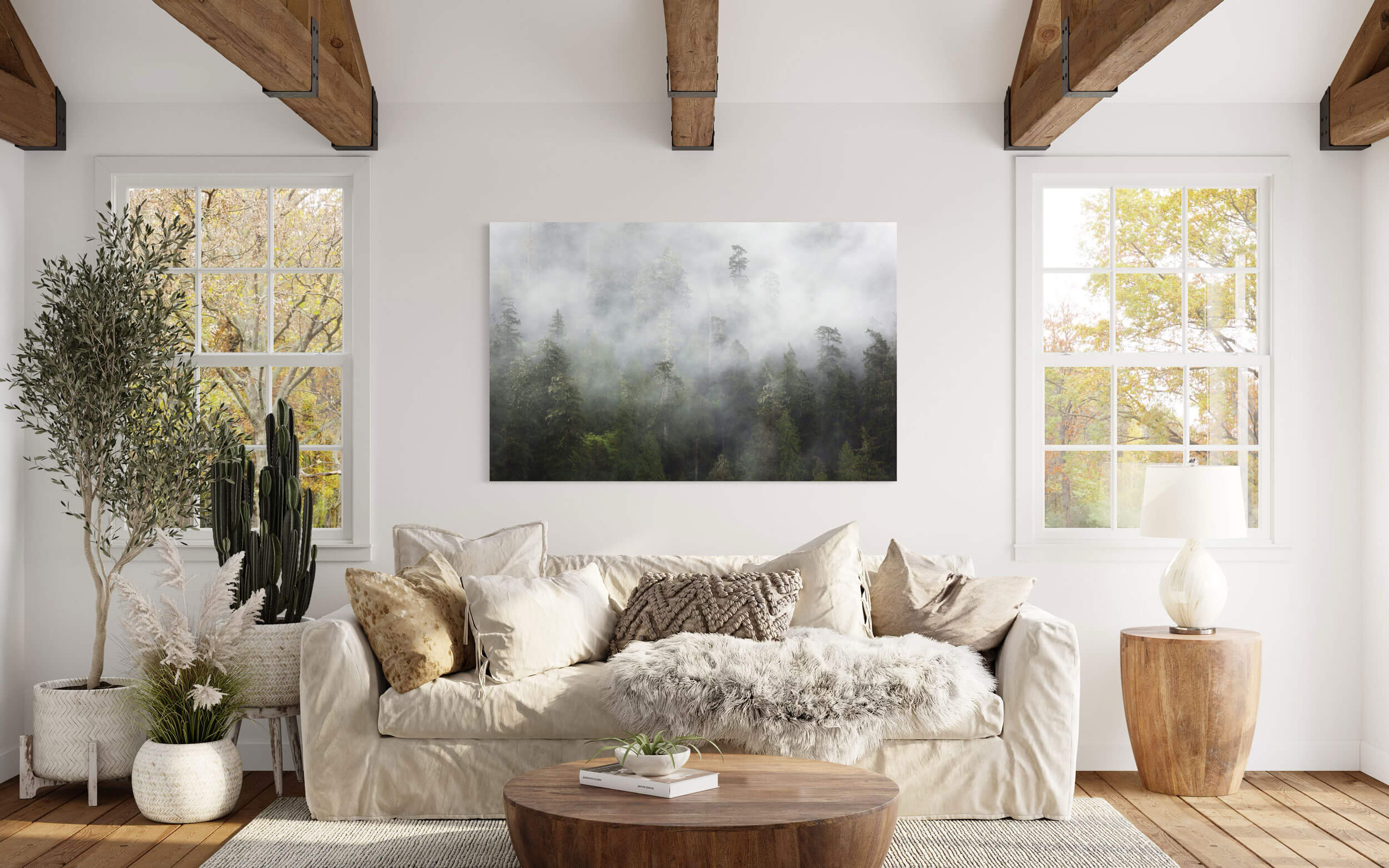
Urban Interior Design That Inspires urban dwellers crave sanctuaries that reflect the pulsating energy of city life while offering respite from its frenetic pace. When urban design that inspires is harnessed, interiors become dynamic stages where industrial grit meets refined comfort, and minimalist lines blend seamlessly with bold accents. This guide delves into strategies, materials, and concepts to craft metropolitan havens that invigorate the senses, foster creativity, and ground you in the heartbeat of the urban tapestry.
Short sentence. It energizes.
Long sentence. By fusing raw textures—exposed brick and concrete—with sophisticated furnishings and thoughtful lighting, you cultivate an environment that channels the kinetic momentum of city streets into a cohesive, invigorating interior narrative.

1. Embracing Industrial Roots
Urban lofts and apartments often boast architectural features born of industrial heritage: steel beams, ductwork, and concrete slabs. Leveraging these elements as focal points for urban design that inspires infuses authenticity and character.
- Exposed Materials: Leave brick walls unpainted, polish concrete floors, and expose ceiling rafters.
- Metal Accents: Incorporate steel-framed furniture, iron shelving units, and brass piping as stylistic conduits.
- Contrast with Soft Textiles: Counterbalance rigidity with plush rugs, velvet upholstery, and draped textiles.
Short sentence. It feels raw.
Long sentence. The interplay of cold, tactile surfaces with sumptuous fabrics and organic elements creates a multidimensional space that pulses with industrial chic and urbane warmth.
2. Strategic Spatial Planning
In dense city dwellings, every square foot counts. Intelligent zoning and clever layout strategies are essential to achieve urban design that inspires without sacrificing functionality.
- Open-Plan Flow: Minimize partitions; use furniture or area rugs to delineate zones.
- Vertical Utilization: Employ floor-to-ceiling shelving, wall-mounted desks, and lofted beds.
- Multi-Purpose Furniture: Select sofa beds, nesting tables, and foldable workstations.
Short sentence. It optimizes.
Long sentence. By weaving dynamic zones—creative studios, lounging areas, and intimate dining enclaves—into a fluid floorplan, you craft an interior that adapts to both solitude and social gatherings.
3. Layered Lighting Designs
Lighting transforms raw interiors into vibrant atmospheres. A layered approach—incorporating ambient, task, and accent lighting—ensures your urban refuge radiates inspiration at every hour.
- Ambient Light: Install recessed LEDs, cove lighting, or oversized globe pendants for pervasive glow.
- Task Fixtures: Position adjustable desk lamps, under-cabinet LEDs, and pendant lights over work surfaces.
- Accent Elements: Highlight artwork or structural features with track lighting, picture lights, or neon accents.
Short sentence. It brightens.
Long sentence. When each luminance layer is fine-tuned—ambient warmth, focused task beams, and dramatic spotlights—you orchestrate an evocative interplay of shadow and brilliance that energizes daily rituals.
4. Material Juxtaposition
A hallmark of inspiring urban interiors is the artful clash of materials—melding industrial robustness with refined surfaces to ignite visual drama and textural intrigue.
- Concrete & Wood: Pair smooth concrete counters with live-edge wood shelving or tables.
- Glass & Metal: Fuse tempered glass tabletops with steel frames or copper inlays.
- Textile Inlays: Soften stone or metal with wool, linen, and bouclé accents.
Short sentence. It contrasts.
Long sentence. Juxtaposing elemental materials—robust concrete benches, delicately woven wall hangings, and metallic accents—yields an interior laden with sensory complexity and metropolitan flair.
5. Bold Color and Graphic Statements
While neutrals often dominate urban palettes, strategic pops of color and graphic patterns inject life and narrative into compact city dwellings.
- Feature Walls: Use saturated hues—deep teal, mustard yellow—or geometric murals.
- Accent Furniture: Introduce a magenta lounge chair or emerald cabinet as focal punctuation.
- Area Rugs & Textiles: Opt for bold kilims, striped runners, or monochrome graphics.
Short sentence. It captivates.
Long sentence. When chromatic outbursts and graphic motifs are deployed judiciously against a neutral backdrop, they become beacons of creativity that stimulate and delight.
6. Curated Art and Installations
Art elevates urban interiors from mere shelters to curated galleries. Personalized selections resonate emotionally, cultivating urban design that inspires on a deeply individual level.
- Local Talent: Support urban artists—commission murals or display limited-edition prints.
- Mixed Media: Combine framed photography, sculptural pieces, and digital art displays.
- Rotating Exhibits: Refresh artworks seasonally to keep the environment dynamic and stimulating.
Short sentence. It personalizes.
Long sentence. Through the lens of locally sourced and personally resonant artworks—juxtaposed against industrial canvases of brick and concrete—you orchestrate a dialogue between personal narrative and urban zeitgeist.
7. Green Intrusions: Biophilic Urbanism
Even the most concrete-laden environments benefit from verdant interventions. Integrating plants and natural motifs into metropolitan interiors fosters well-being and counterbalances the urban rigidity.
- Vertical Gardens: Install living walls with ferns, ivy, and philodendron.
- Potted Assemblages: Cluster succulents, palms, and air plants in sculptural planters.
- Botanical Artifacts: Use botanical prints, rattan furniture, and cork accents.
Short sentence. It refreshes.
Long sentence. When lush greenery weaves through steel frames and stone floors, it softens the concrete narrative and fosters a soothing juxtaposition of organic vitality and metropolitan structure.
8. Textural Ornamentation
Beyond materials, enriching an urban interior with layered textures—via textiles, wall treatments, and accessories—ignites tactile curiosity and cosseting allure.
- Tapestries & Rugs: Hang woven tapestries or kilims as vertical accents; layer rugs for dimension.
- Textured Paints: Apply plaster washes or mica-infused finishes for subtle sheen.
- Handcrafted Objects: Incorporate ceramic vases, hand-carved bowls, and artisanal candleholders.
Short sentence. It envelops.
Long sentence. By orchestrating a matrix of textures—soft bouclé, rough-hewn stone, and burnished metal—you envelop inhabitants in a sensorial cocoon that harmonizes with the metropolitan tempo.
9. Tech-Integrated Smart Comfort
Modern urban interiors flourish when cutting-edge technology integrates seamlessly, enhancing convenience while preserving aesthetic integrity.
- Concealed Wiring: Use in-floor channels, behind-wall wiring, and integrated power hubs.
- Smart Controls: Employ voice-activated lighting, climate control, and automated shading.
- Multi-Room Audio: Embed wireless speakers behind acoustic panels for ambient soundscapes.
Short sentence. It streamlines.
Long sentence. When voice commands dim lights, adjust temperature, and cue curated playlists, the interior transcends static space to become an adaptive companion to your urban lifestyle.
10. Sustainable Urban Ethos
Inspiring design is not solely aesthetic; it embraces ecological responsibility. Incorporating sustainable practices underscores a deep respect for both the environment and urban culture.
- Reclaimed Materials: Source salvaged timber, reclaimed metal fixtures, and repurposed brick.
- Low-VOC Finishes: Choose eco-friendly paints, sealants, and adhesives.
- Energy Efficiency: Optimize insulation, daylighting, and energy-star appliances.
Short sentence. It matters.
Long sentence. By embedding sustainability—through reclaimed surfaces, green energy strategies, and toxin-free finishes—you craft interiors that resonate ethically and creatively, embodying urban design that inspires for both present and future generations.
11. Personalization and Flexibility
A city interior must adapt to evolving ambitions, seasons, and moods. Personalized urban design that inspires thrives on flexibility and tactile customization.
- Modular Elements: Invest in movable partitions, modular sofas, and mobile cabinetry.
- Switchable Accents: Swap textiles, cushion covers, and art installations by whim or season.
- DIY Tinker Zones: Reserve a corner for creative projects—painting, crafting, or digital production.
Short sentence. It evolves.
Long sentence. By embedding modularity and personalization at the core—easily reconfigurable furniture, interchangeable décor, and creative workstations—you maintain a perpetually fresh interior that mirrors your urban narrative.
In the labyrinth of metropolitan life, interiors become essential sanctuaries. Through the strategic interplay of industrial heritage, refined details, greenery, and smart technology, urban design that inspires emerges as an art form—a vibrant choreography of contrasts, textures, and innovations. Embrace raw authenticity, champion sustainability, and cultivate spaces that invigorate your senses at every turn. In doing so, you transform concrete and steel into soulful environments that both reflect and elevate the dynamic spirit of the city.